


Drug Regulator Inspects 90% of Cough Syrup Makers, Flags Lapses
DCGI says action taken on serious violations amid global scrutiny over contaminated syrups
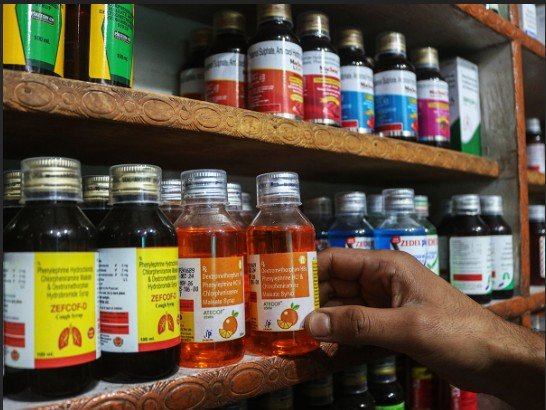
New Delhi: India’s national drug watchdog has inspected nearly 90% of the country’s cough syrup manufacturers and identified compliance shortcomings in several facilities, a top official said on Monday, as authorities intensify oversight following safety concerns linked to contaminated products.
Rajeev Raghuvanshi, speaking at the IPA 11th Global Pharmaceutical Quality Summit in Mumbai, said regulators had taken strict action where major violations were detected. “We took serious actions on serious non-compliances,” he said, adding that the objective is to eliminate systemic weaknesses in cough syrup manufacturing.
The inspections follow heightened scrutiny after India-made syrups were associated with child fatalities in India and overseas markets. In October last year, a contaminated batch of the cough syrup Coldrif manufactured by Sresan Pharmaceutical in Tamil Nadu was linked to the deaths of 24 children due to diethylene glycol contamination.
Widespread Checks, Limited Disclosures
According to Raghuvanshi, around 1,100 manufacturers representing about 90% of cough syrup producers have undergone inspection. Observed lapses included breaches of good manufacturing practices, inadequate testing of raw materials and use of unvalidated processes. However, he did not disclose how many companies were found non-compliant or faced suspension.
In addition, authorities have conducted risk-based inspections at about 1,250 other drug manufacturing facilities since 2022 as part of preventive surveillance. Details of enforcement outcomes were not shared.
India’s $42 billion pharmaceutical sector, often described as the “pharmacy of the world,” has faced mounting international pressure after more than 140 child deaths in Africa and Central Asia since 2022 were linked to India-origin cough syrups.
Push for Global Standards
Raghuvanshi said the regulator aims to align its functioning with benchmarks set by the U.S. Food and Drug Administration. Plans include creating 1,500 new positions — with around 40% on flexible contracts addressing staffing gaps and potentially onboarding international experts as advisers.
The agency is also piloting artificial intelligence tools to accelerate application reviews and improve efficiency.
Separately, export procedures have been streamlined by scrapping the requirement for no-objection certificates for shipments to key markets such as the United States, Europe, Australia, Japan, the United Kingdom and Canada a move officials say will reduce administrative delays.
Authorities indicated that regulatory reforms will continue as part of efforts to restore confidence in India’s pharmaceutical exports.

