


Ebola Outbreak Spreads to Nigeria as Health Authorities Intensify Containment Measures
Nigeria has confirmed an infection linked to the ongoing Bundibugyo Ebola outbreak, prompting contact tracing and renewed concerns about cross-border surveillance as health agencies work to prevent further transmission.
Mumbai, Oct 22 : Health authorities across Africa are strengthening surveillance and containment measures after Nigeria confirmed an Ebola infection linked to an outbreak that began in the Democratic Republic of Congo and has affected several countries.
The case reported in Abuja on October 20 has heightened concerns about the international spread of the virus, particularly because the patient had travelled from Uganda before being diagnosed. The development has placed additional pressure on public health agencies to identify exposed individuals, monitor potential symptoms and prevent further transmission.
According to an Associated Press report published on October 21, the outbreak involves the Bundibugyo strain of Ebola, a rare variant for which no approved vaccine or specific drug treatment is currently available.
The outbreak was first reported in eastern Congo in mid-May. By October 21, authorities had recorded approximately 9,500 infections and at least 4,600 deaths in the country, according to the report. The World Health Organization has described the situation as the fastest-growing Ebola outbreak in history.
The spread across central, eastern and western Africa has raised concerns about gaps in disease surveillance, delayed diagnosis and the movement of infected individuals before their condition is identified.
Nigeria’s latest case illustrates the challenges facing countries attempting to contain infectious diseases in regions connected by frequent international travel.
Contact Tracing Underway in Abuja
Nigeria’s infected patient was a woman who had returned from Uganda. She reportedly began experiencing symptoms on October 7 and was admitted to a private hospital in Abuja four days later.
Health officials subsequently confirmed the infection and initiated contact tracing to determine whether other people had been exposed.
Nigerian Health Minister Muhammad Pate said authorities had identified 44 contacts associated with the patient and were working to contain the case.
Contact tracing is a central component of Ebola control. Health teams identify individuals who may have encountered an infected person, assess the nature of their exposure and monitor them during the relevant observation period. Anyone who develops symptoms can then be assessed and isolated promptly.
The effectiveness of this process depends on identifying contacts quickly and maintaining communication with them. Authorities may need to coordinate across hospitals, communities, transport networks and border agencies when a patient’s movements extend beyond one locality.
Nigeria’s experience in managing previous infectious disease emergencies could help inform its response. However, the scale of the current regional outbreak presents a difficult challenge, particularly when the initial diagnosis occurs after a patient has travelled.
Officials must also communicate clearly with the public to encourage cooperation without creating unnecessary panic or discrimination against people who have travelled from affected areas.
Congo Remains the Centre of the Outbreak
The Democratic Republic of Congo continues to face the largest burden of the current outbreak. The concentration of cases and deaths has placed considerable pressure on local health services and emergency response teams.
Ebola outbreaks require intensive infection-control procedures because the virus can cause severe illness and spread through direct contact with the blood or bodily fluids of infected people, as well as contaminated materials.
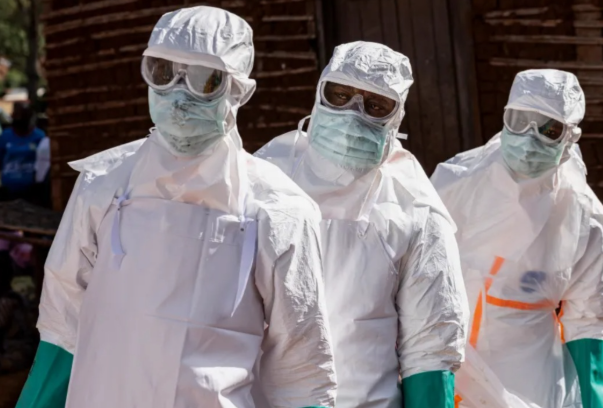
Healthcare facilities can become sites of transmission if suspected cases are not recognised promptly or if staff lack adequate protective equipment and training. Safe patient handling, appropriate protective clothing, disinfection and carefully managed burials are therefore essential components of containment.
The outbreak has also created difficulties for families and communities affected by illness and bereavement. Public health responses must balance infection prevention with respectful treatment of patients and their relatives.
In areas where medical facilities are already under strain, emergency teams may need additional supplies, trained personnel, laboratory capacity and transport arrangements to support diagnosis and isolation.
The continuing toll in Congo demonstrates why international assistance is important. Support can include diagnostic resources, protective equipment, trained response teams and funding for local health services.
Uganda Reports No Active Cases Following Earlier Response
Uganda, which confirmed infections associated with the outbreak, was declared free of the disease by the World Health Organization on August 27, according to the Associated Press.
The country had recorded 20 confirmed cases, including 15 involving patients from Congo. Eighteen people recovered, while two died. More than 800 contacts were identified and monitored during the response.
Although Uganda reported no active cases at the time of the latest report, the detection of an infection in a traveller returning from the country has underlined the need for continued vigilance.
A country being declared free of an outbreak does not eliminate the possibility that an infection acquired elsewhere could later be detected within its borders. Health authorities must therefore maintain systems capable of recognising unusual illnesses and responding rapidly when a suspected case emerges.
The situation also highlights the importance of coordination between neighbouring countries. Timely sharing of information about cases, travel histories and identified contacts can help prevent delays that allow an outbreak to spread undetected.
Kenya Strengthens Monitoring After Cases Are Identified
Kenya has also been affected by the outbreak. Its first reported patient was a man who travelled from Congo through Uganda before reaching Nairobi in early October.
The patient tested positive for Ebola and died on October 5, according to the Associated Press. Subsequent reporting placed the number of confirmed infections in Kenya at nine, including four relatives of the first patient and four healthcare workers.
Authorities had identified 135 contacts associated with the cases, with 134 reportedly in quarantine at the time of the report.
Kenyan officials said there was no evidence that transmission had extended beyond the known contacts of the initial patient. The situation nevertheless demonstrates how infections can move between countries before a diagnosis is established.
Healthcare workers are particularly vulnerable when patients arrive with symptoms that resemble other illnesses and Ebola is not immediately suspected. Training, protective equipment and clear procedures for isolating potential cases are critical to reducing this risk.
Monitoring at border crossings and other travel points can help identify people who require further assessment. However, screening alone cannot detect every infection, particularly when an individual has not yet developed symptoms.
Public health agencies therefore need to combine travel-related monitoring with strong hospital surveillance, laboratory testing and transparent communication.
Bundibugyo Strain Presents Treatment Challenges
The current outbreak is caused by the Bundibugyo virus, one of the species responsible for Ebola disease. The lack of an approved vaccine or specific drug treatment for this strain complicates efforts to control the outbreak.
Treatment generally focuses on supportive medical care, including maintaining hydration, managing symptoms and addressing complications. Early access to appropriate clinical care can be important for patients, although outcomes depend on several factors, including the severity of illness and the resources available.
Vaccines and treatments developed for other Ebola virus species should not automatically be assumed to provide equivalent protection against Bundibugyo infection. Medical interventions must be evaluated for the specific strain involved.
Research into vaccines and other countermeasures remains important because the availability of effective tools can help protect healthcare workers and exposed populations during future outbreaks.
In the meantime, early recognition, infection prevention and effective contact tracing remain central to the response.
Why Early Detection Is Essential
One of the principal difficulties in containing Ebola is that early symptoms may resemble those of other infections. Fever, weakness, headache and muscle pain can occur in multiple illnesses, making a patient’s travel history and exposure risks important parts of clinical assessment.
As the disease progresses, patients may develop vomiting, diarrhoea and other serious complications. Anyone who suspects exposure to Ebola and develops compatible symptoms should contact healthcare authorities promptly and follow their instructions rather than travelling unannounced to a medical facility.
Healthcare professionals must use appropriate infection-control precautions when assessing suspected cases.
Authorities also need to ensure that communities receive reliable information about symptoms, transmission and available services. Rumours and stigma can discourage people from reporting illness or cooperating with health teams, undermining containment efforts.
Community engagement is especially important when response measures involve isolation, contact monitoring or restrictions designed to prevent exposure. Explaining the reasons for these measures can improve trust and cooperation.
International Coordination Becomes Increasingly Important
The outbreak’s movement across several countries has renewed calls for stronger regional cooperation and international support.
Health agencies must share timely information, coordinate laboratory testing, support contact tracing and ensure that healthcare facilities can safely manage suspected cases. Governments also need contingency plans for additional infections without unnecessarily disrupting essential medical services or trade.
The experience of previous outbreaks shows that delayed identification and weak surveillance can allow diseases to spread before emergency responses are fully activated. Strengthening local health systems is therefore as important as deploying emergency teams once an outbreak has begun.
Nigeria’s response will be closely watched because the country has a large population and extensive domestic and international travel connections. Rapid identification of contacts and prompt clinical assessment will be important in determining whether the newly confirmed case leads to further transmission.
Public Health Authorities Urge Vigilance
The latest developments underline the importance of sustained preparedness as health officials attempt to limit the outbreak’s geographical reach.
Congo continues to carry the greatest reported burden, while Nigeria’s new case and infections recorded in Kenya demonstrate the difficulties of containing a disease that can cross borders before it is diagnosed.
Uganda’s earlier declaration that its outbreak had ended shows that containment is possible, but the latest developments also illustrate why surveillance cannot stop once an immediate outbreak appears to be under control.
The priority for affected countries remains the rapid detection of suspected infections, safe treatment of patients, protection of healthcare workers and monitoring of people who may have been exposed.
With no approved vaccine or specific drug treatment available for the Bundibugyo strain, coordinated public health action is essential to limiting further spread and reducing preventable deaths.

