


Empower Youth, Defeat Drugs
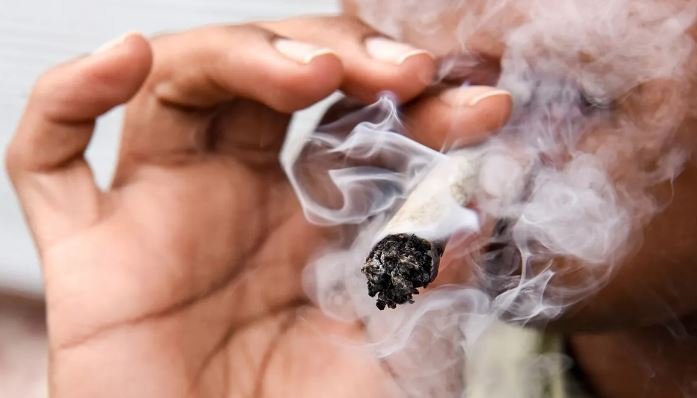
India’s journey towards becoming a developed nation will not be decided by economic growth, technology and infrastructure alone. It will also depend on whether its young people are healthy, confident, skilled and free from addiction. The “Nasha Mukt Yuva for Viksit Bharat Sankalp Abhiyan” must therefore become more than a campaign. It must grow into a sustained national movement that protects youth and gives them a clear sense of purpose.
Nearly 65 per cent of India’s population is below the age of 35, while about 37 crore people fall within the 15 to 29 age group. This is an extraordinary national strength. Yet a young population becomes an advantage only when it has access to education, employment, sports, healthcare and constructive opportunities. Drugs weaken that promise by damaging health, breaking families and pulling vulnerable young people towards crime, isolation and despair. The 100-week campaign has begun on an impressive scale. More than one crore young people are participating at nearly 10,000 locations across the country. Over 35,000 MY Bharat youth clubs, Nehru Yuva Kendras, schools, colleges and industry organisations are also involved. The plan to connect with young people every Sunday is useful because addiction cannot be prevented through occasional rallies, slogans or ceremonial pledges. The effort must remain visible, regular and rooted in communities. Jammu and Kashmir has shown what coordinated action can achieve. The 100-day Nasha Mukt J&K Abhiyan, held from April 11 to July 20, brought together the administration, police, educational institutions, social organisations, religious leaders, families and youth volunteers. This collective approach is essential because drug abuse is not only a policing problem. It is a public health crisis, a social challenge and a threat to the future of an entire generation. The enforcement figures reveal the seriousness of the menace. Around 2,300 FIRs have been registered, nearly 2,600 people arrested and about 1,500 kilograms of narcotic substances seized. More than 331 properties valued at approximately ₹200 crore and linked to drug smugglers and narco-terror networks have been attached. Over 370 driving licences and 750 vehicle registrations have been cancelled, while recommendations have been made for the cancellation of nearly 3,000 Aadhaar cards. These actions send a necessary warning to those who profit from addiction. Drug traffickers who target young people must face firm investigation, financial disruption and swift prosecution. Their properties, transport networks and illegal earnings should be traced and confiscated. The success of enforcement, however, should be measured not only by arrests and seizures, but also by convictions and the permanent dismantling of supply chains. At the same time, society must distinguish between traffickers and young people suffering from addiction. Smugglers are offenders, but many drug-dependent youth are victims who need treatment, counselling and support. Humiliation and rejection rarely lead to recovery. They often deepen isolation and make relapse more likely. The proposed Rehabilitation and Socio-Economic Reintegration Scheme for Drug Abuse Victims, 2026, can fill this gap. Its planned three-year cycle covers medical care, counselling, education, skill development, employment assistance, social reintegration and long-term monitoring. The pilot project in two severely affected districts, one each in the Jammu and Kashmir divisions, should be implemented carefully and independently reviewed before expansion. Rehabilitation centres must have qualified doctors, counsellors and mental health professionals. Treatment should be followed by education, apprenticeships and genuine employment opportunities. Recovery remains fragile when a young person returns to the same environment without work, family support or social acceptance. Parents and teachers have an equally important role. They should be trained to recognise early warning signs and respond through patience, trust and timely professional help. Schools and colleges need confidential counselling services, sports facilities, life-skills education and safe referral systems. Youth organisations must take the message to every village, campus and neighbourhood, but awareness should offer hope rather than fear alone. Young people need opportunities, belonging and confidence. Drug networks gain strength where families remain silent, institutions are distant and the future appears uncertain.
A drug-free generation cannot be created by Government action alone. It requires strong families, alert schools, responsible communities and youth willing to stand by one another. Enforcement must be firm, rehabilitation humane and prevention continuous. Only then can India turn its enormous youth population into a healthy, disciplined and productive force for Viksit Bharat.

