


Global Financial Markets Volatile as Central Banks Signal New Policy Shifts
Investors react cautiously after major economies indicate possible interest rate adjustments amid inflation concerns.
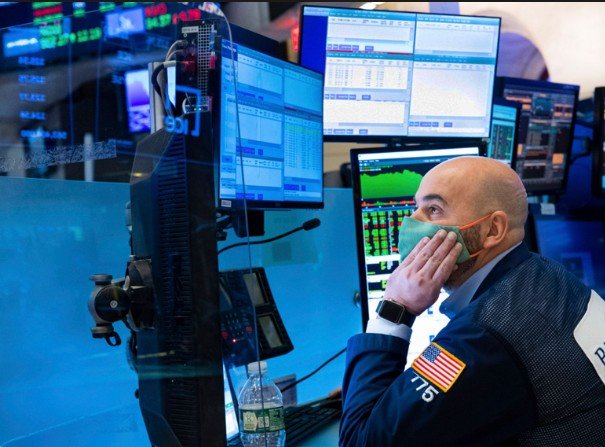
LONDON, May 9, 2026: International financial markets experienced heightened volatility this week after several major central banks signalled potential changes in monetary policy amid persistent inflation pressures and slowing economic growth.
Stock markets across Europe, Asia and North America recorded mixed performances as investors analysed comments from policymakers regarding future interest rate decisions. Currency markets and bond yields also fluctuated sharply during trading sessions.
Central banks in leading economies indicated that while inflation has moderated compared to previous peaks, price pressures remain a concern in sectors such as energy, housing and food. Policymakers suggested that future rate decisions would depend heavily on economic data in coming months.
Financial analysts noted that uncertainty surrounding monetary policy has increased due to geopolitical tensions, supply chain disruptions and uneven global growth patterns. Investors are closely monitoring employment figures, manufacturing activity and consumer spending indicators.
The US Federal Reserve, European Central Bank and Bank of England all emphasised the importance of maintaining financial stability while balancing the risk of economic slowdown. Some officials warned that premature rate cuts could reignite inflationary pressures.
Emerging markets also faced pressure as currency fluctuations and capital outflows affected investor confidence. Economists cautioned that higher borrowing costs could create challenges for developing economies with significant debt burdens.
Commodity markets remained volatile due to ongoing geopolitical conflicts and uncertainty surrounding global demand. Oil and gold prices reacted strongly to shifting expectations about economic growth and international security conditions.
Technology and banking stocks experienced particularly sharp movements as traders assessed the potential impact of changing interest rates on corporate profits and investment activity.
Global business organisations called for coordinated economic policies to support growth and maintain market confidence. Several multinational companies revised earnings forecasts due to uncertainty in international trade and consumer demand.
Experts believe that central banks are entering a difficult phase where they must balance inflation control with the need to avoid recession risks. Financial institutions warned investors to prepare for continued market fluctuations in the near future.
Meanwhile, international agencies encouraged governments to strengthen economic resilience through infrastructure investment, labour market reforms and support for innovation-driven industries.
Despite market uncertainty, some economists remain optimistic that gradual policy adjustments and stabilising inflation could support recovery in the second half of 2026. However, much will depend on geopolitical developments and the ability of major economies to avoid deeper financial instability.

