


Govt Flags TV Channels for Programme Code Violations, Cautions Against AI Misuse
Ministry directs broadcasters to ensure accurate reporting, avoid sensationalism, protect victims’ identities and prevent inflammatory content from being aired.
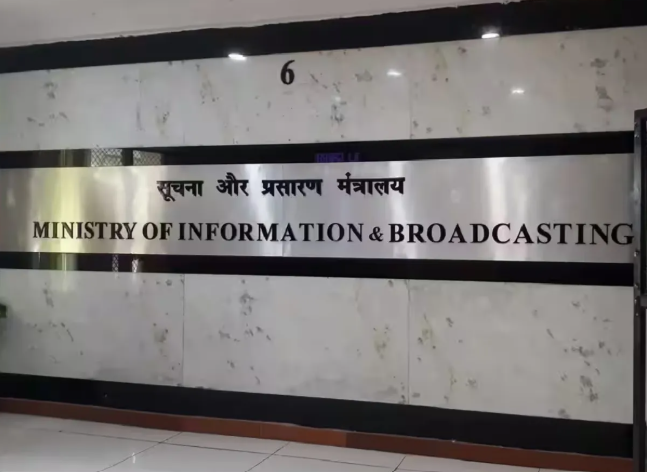
NEW DELHI, Oct 21: The Ministry of Information and Broadcasting has flagged instances of private satellite television channels failing to comply with the Programme Code and urged broadcasters to follow the prescribed guidelines, warning that violations could lead to regulatory action.
In an advisory issued on Wednesday, the ministry also cautioned television channels against the careless use of artificial intelligence (AI), including generative AI, in news graphics, virtual news presentations and other programming.
It said AI tools should be used only in a supporting role and must not undermine the accuracy, authenticity or sensitivity of news content.
The ministry noted that certain broadcasts had breached provisions of the Programme Code under the Cable Television Networks (Regulation) Act, 1995, and the Cable Television Networks Rules, 1994.
The Inter Departmental Committee, which examines complaints and violations relating to television content, observed that some broadcasts did not reflect the spirit of the prescribed code. It also pointed to instances in which multiple channels aired similar news reports and visuals on the same subjects.
The committee recommended stricter compliance with statutory requirements and stressed that inappropriate conduct and language should not be treated as acceptable television content.
The ministry asked broadcasters to carefully select and sensitise panellists participating in debates and discussions to prevent communal, inflammatory or anti-national content. It advised channels to use measures such as muting audio, displaying disclaimers or discontinuing feeds whenever necessary to stop abusive, derogatory or provocative remarks from being broadcast.
Reiterating existing restrictions, the advisory prohibited live coverage of anti-terrorist operations conducted by security forces. Broadcasters were instructed to rely on periodic briefings by authorised officers until such operations are completed.
The ministry also directed channels to avoid sensationalising crime and violence, exercise discretion when showing disturbing footage and refrain from repeatedly airing or looping graphic visuals.
Reporting on disasters and major accidents must be grounded in verified information, with visuals time-stamped wherever required to prevent confusion and public panic.
Additionally, broadcasters were instructed to use only authentic maps of India published by the Survey of India.
The advisory underscored the need to safeguard the identities of victims of sexual offences, including by withholding indirect details that could reveal their identities.
The ministry further called on television channels to strengthen editorial oversight and content review procedures to ensure that broadcasts comply with applicable laws and responsible journalism standards.

