


ICE Acting Chief Todd Lyons to Step Down at End of May, DHS Confirms
Leadership exit comes amid policy shifts, political pressure, and ongoing scrutiny of U.S. immigration enforcement strategy
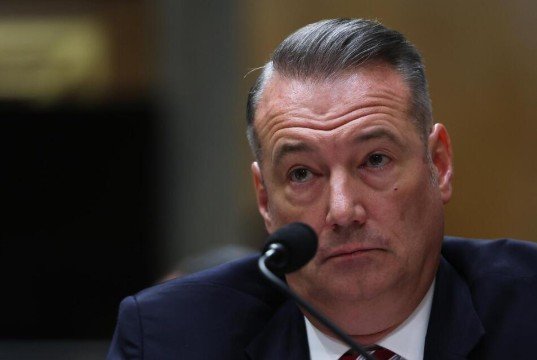
WASHINGTON: In a significant development for U.S. immigration enforcement, Todd Lyons, the acting director of U.S. Immigration and Customs Enforcement, will resign from his position at the end of May, marking the close of a contentious yet impactful tenure at the helm of one of the country’s most debated federal agencies.
The announcement was made by Markwayne Mullin, the current Secretary of the Department of Homeland Security, who confirmed that Lyons’ final day in office will be May 31. Mullin praised Lyons for his leadership, crediting him with strengthening enforcement operations and contributing to national safety during a turbulent period.
“We wish him success in his next opportunity in the private sector,” Mullin said in an official statement, without elaborating on the reasons behind Lyons’ decision to step down.
Leadership During Aggressive Immigration Push
Lyons assumed the role of acting director in March 2025, during a period when the administration of Donald Trump intensified its immigration agenda. As a central figure in executing these policies, Lyons oversaw expanded enforcement operations, increased detention capacity, and a surge in arrests aimed at curbing illegal immigration.
Under his direction, ICE received substantial financial backing from Congress, enabling the agency to scale up hiring and infrastructure. This expansion allowed federal immigration officers to carry out large-scale operations across multiple cities, reinforcing the administration’s broader deportation strategy.
High-profile enforcement actions in cities such as Chicago and Minneapolis brought national attention to ICE’s operations. However, these actions also sparked widespread criticism, particularly after fatal encounters involving federal officers led to public backlash and protests.
Political Backing and Public Criticism
Despite mounting criticism, Lyons retained strong support from key administration officials. Abigail Jackson described him as “an American patriot,” while Stephen Miller, a principal architect of the administration’s immigration policy, commended his leadership and commitment to enforcement.
Tom Homan, often referred to as the administration’s “border czar,” also lauded Lyons, calling him a highly effective and respected leader who served with dedication.
However, public sentiment painted a different picture. Surveys conducted during his tenure indicated declining trust in ICE, with many Americans expressing unfavorable views of the agency’s actions and policies.
Congressional Scrutiny and Controversies
Lyons’ tenure was not without controversy. He faced intense questioning from lawmakers over enforcement tactics and specific incidents, including fatal shootings involving civilians during ICE operations. These cases became flashpoints in the broader debate over federal immigration authority and accountability.
During congressional hearings, Lyons maintained a cautious stance, often declining to comment on ongoing investigations. His refusal to publicly address certain incidents drew criticism from lawmakers and advocacy groups seeking greater transparency.
Additionally, a controversial internal memo approved during his leadership expanded the authority of immigration officers, allowing them to conduct searches and arrests without traditional judicial warrants under certain conditions. The policy further intensified debates around civil liberties and executive power.
Transition Amid Departmental Changes
Lyons’ departure comes at a time of transition within the Department of Homeland Security. His resignation follows the removal of former Secretary Kristi Noem and the appointment of Mullin, who has signaled continuity in enforcement priorities while adopting a relatively measured tone on controversial issues.
As the agency prepares for new leadership, uncertainty remains over who will replace Lyons. The next director will inherit an organization with expanded resources but also heightened political scrutiny and ongoing legislative battles.
A Defining Yet Divisive Tenure
Having joined ICE in 2007 as an enforcement agent in Texas, Lyons rose through the ranks to lead the agency during one of the most politically charged periods in its history. His leadership reflected the administration’s hardline stance on immigration, leaving a legacy that supporters view as decisive and critics see as deeply polarizing.
As debates over immigration policy continue to shape U.S. politics, the exit of Todd Lyons marks a pivotal moment for ICE and its future direction.

