


India aims to build $120–150 billion semiconductor value chain by 2035: NITI Aayog
NITI Aayog urges massive investment push, warns India must reduce import dependence and build full-stack chip ecosystem by 2035
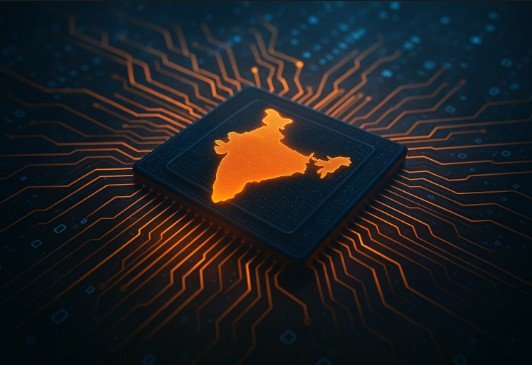
India, May 30 : India needs to rapidly scale up its semiconductor capabilities and aim for a $120–150 billion value chain by 2035, focusing on strategic leadership rather than limited participation, according to a NITI Aayog report released on Friday.
The report, titled Future of India’s Semiconductor Industry, estimates that developing a globally competitive ecosystem will require investments of around $135–180 billion over the next decade across chip design, fabrication units, advanced packaging, materials, and supporting infrastructure.
It recommends that the government take a proactive role by contributing at least one-third of the total investment. This, it said, would help reduce risks for private players and strengthen long-term investor confidence, especially in capital intensive segments like fabs and advanced packaging.
India, the report noted, should prioritise building a self-reliant and globally competitive semiconductor ecosystem rather than attempting to directly replicate established global manufacturing hubs. It stressed the need for a coordinated strategy combining funding support, stable policy frameworks, and predictable incentives across the entire value chain.
The report also highlighted India’s rapidly growing semiconductor demand, projected to reach around $200 billion by 2035. However, it pointed out that nearly 90–95% of current demand is met through imports, creating economic outflows and exposing critical industries to global supply chain risks.
Calling this gap both a vulnerability and an opportunity, the report said strengthening domestic capacity is essential for long-term resilience in sectors such as artificial intelligence, defence, telecommunications, healthcare, and mobility.
NITI Aayog Vice Chairman Ashok Kumar Lahiri emphasized that reducing reliance on “black-box” imported technologies is crucial for achieving technological sovereignty, which he described as a foundation for India’s development goals.
The report concluded that semiconductors are now central to national security and economic strength, forming the backbone of modern digital and industrial systems.

