


India At UN Defends Right To Self-Protection, Warns Pakistan Over Cross-Border Terror
New Delhi Says Cross-Border Terrorism Cannot Continue Without Consequences
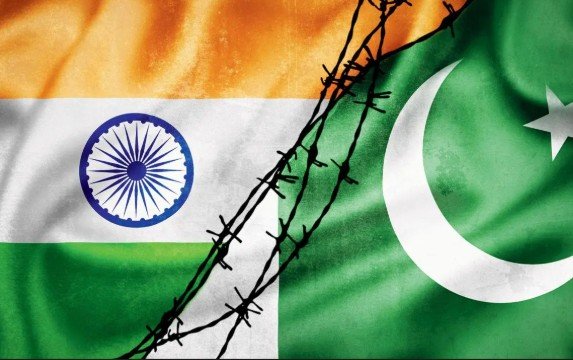
UNITED NATIONS, May 27: India delivered a sharp message to Pakistan at the United Nations Security Council, asserting that New Delhi has every right to protect its citizens against terrorism originating across the border and warning Islamabad that continued support to terror groups will carry consequences.
Speaking during a high-level UNSC debate on strengthening the UN-centred international system, India’s Permanent Representative to the United Nations, Ambassador Harish Parvathaneni, rejected Pakistan’s remarks on Jammu and Kashmir and accused Islamabad of repeatedly violating the principles of sovereignty and peaceful coexistence through its long-standing policy of sponsoring terrorism.
The meeting, chaired by Wang Yi under China’s presidency of the Security Council for May, witnessed heated exchanges after Pakistan Deputy Prime Minister and Foreign Minister Ishaq Dar raised the Kashmir issue and referred to the Indus Waters Treaty.
Responding firmly, India said Pakistan’s attempts to lecture others on the UN Charter were contradictory given its own record of cross-border aggression and support for extremist elements. Parvathaneni stated that independent India had faced hostility from Pakistan since Partition and highlighted repeated acts of aggression and terrorism directed against the country.
India also referred to the April 2025 terror attack in Pahalgam in which 26 civilians lost their lives. The attack was claimed by The Resistance Front, widely regarded as an offshoot of Lashkar-e-Taiba. Following the attack, India had placed the Indus Waters Treaty in abeyance, citing national security concerns.
The Indian envoy said Pakistan’s doctrine of “bleeding India by a thousand cuts” clearly exposed its continued reliance on terrorism as a state policy. He stressed that no country could be expected to tolerate persistent terror attacks and asserted that India retains the legitimate right to respond in self-defence.
Parvathaneni further accused Pakistan of promoting religious extremism, violent radicalism and anti-India propaganda for decades. He said the evidence of Islamabad’s backing of terror networks is available in the public domain and urged Pakistan to take irreversible and credible action against all terrorist organisations operating from its soil.
India maintained that terrorism remains one of the biggest threats to international peace and security and called on the global community to adopt a zero tolerance approach against nations that provide safe havens and logistical support to terror groups.
The exchange once again highlighted deep tensions between the two nuclear-armed neighbours, particularly after the recent terror incidents and diplomatic strains over Kashmir and water-sharing arrangements.
The Security Council debate focused broadly on safeguarding the principles of the UN Charter, but discussions were overshadowed by sharp differences between India and Pakistan over regional security and terrorism concerns.

