


India-China Relations Show Signs of Stability as Top Officials Hold High-Level Talks in New Delhi
Ajit Doval and Wang Yi discuss regional security, border management and strategic cooperation during BRICS security meeting
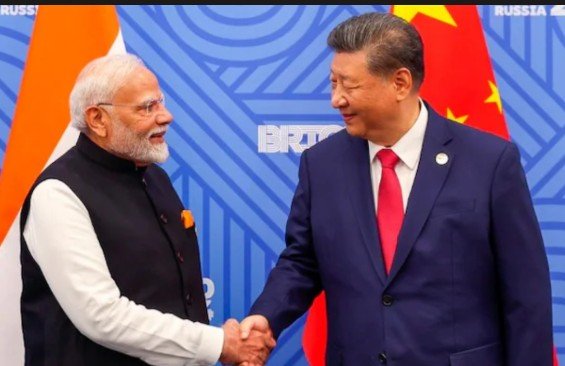
New Delhi, June 23: India and China took another significant step towards improving bilateral relations as National Security Adviser Ajit Doval and Chinese Foreign Minister Wang Yi held extensive discussions in New Delhi on the sidelines of the BRICS National Security Advisers’ meeting.
The meeting comes at a crucial time when both countries are attempting to rebuild trust and strengthen diplomatic engagement following years of tensions along the Line of Actual Control (LAC). Officials described the talks as constructive and focused on maintaining peace, stability and communication mechanisms between the two Asian neighbours.
According to diplomatic sources, the discussions covered a broad range of issues including border management, regional security, economic cooperation and multilateral engagement under platforms such as BRICS and the Shanghai Cooperation Organisation. The interaction reflected a growing willingness on both sides to maintain dialogue and avoid misunderstandings that could affect regional stability.
India’s Ministry of External Affairs indicated that relations between the two countries are gradually normalising. The statement highlighted the importance of sustained communication and practical cooperation in areas where mutual interests converge. Analysts believe the latest engagement signals a positive shift in diplomatic efforts aimed at reducing friction and strengthening confidence-building measures.
The BRICS National Security Advisers’ meeting, hosted by India on June 22 and 23, brought together senior security officials from member nations to discuss emerging global challenges. Topics included cyber security, counter-terrorism, artificial intelligence, critical technologies and non-traditional security threats. The gathering forms part of the preparations for the upcoming BRICS Summit scheduled later this year.
Experts note that improving India-China relations remains important not only for bilateral ties but also for regional and global economic stability. Both countries are among the world’s fastest-growing major economies and play influential roles in international institutions.
The recent diplomatic outreach follows several rounds of military and diplomatic discussions held over the past months. These efforts have contributed to reducing tensions in certain sectors and improving communication between the two sides. While challenges remain, officials have repeatedly stressed the need to address differences through dialogue rather than confrontation.
Strategic observers believe that cooperation between New Delhi and Beijing on global issues such as climate change, trade, energy security and multilateral governance could benefit both nations. However, they caution that progress will depend on continued trust-building and adherence to existing agreements.
The meeting also underscored India’s emphasis on maintaining strategic autonomy while engaging constructively with major global powers. New Delhi continues to pursue a balanced foreign policy that prioritises national interests while promoting regional peace and development.
As preparations continue for the BRICS Summit, the latest talks are expected to contribute positively to diplomatic momentum between the two countries. Whether this translates into long-term stability will depend on sustained engagement and concrete outcomes in the months ahead.
For now, the New Delhi meeting has been viewed as an encouraging development that demonstrates the willingness of both nations to keep channels of communication open despite complex geopolitical realities.

