


India Eyes Hormuz Route as Government Plans Fresh Oil Supply Strategy
Government prepares secure energy corridor as crude supply concerns deepen during Iran crisis
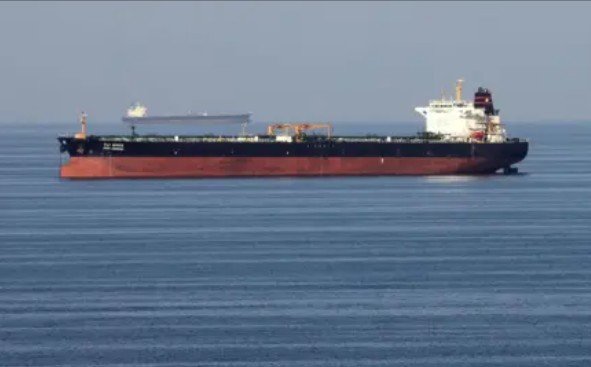
NEW DELHI, May 20 : India is preparing to resume strategic crude transportation through the Strait of Hormuz as the government moves to safeguard energy supplies amid escalating tensions linked to the ongoing Iran conflict. Officials familiar with the developments said preparations have been completed for Indian linked vessels to move through the sensitive maritime corridor once final clearance is issued by authorities.
The proposed operation marks the first major attempt by India to route oil tankers through the Strait of Hormuz since hostilities in the region intensified earlier this year. The narrow waterway remains one of the world’s most crucial energy transit routes, carrying nearly one-fifth of global crude exports.
Sources said the plan involves sending vessels to collect energy cargoes from major Middle Eastern suppliers to ensure uninterrupted fuel availability for the domestic market. However, the timing and scale of the shipments have not yet been publicly disclosed.
Shipping movement through Hormuz has remained severely disrupted since conflict conditions worsened in late February. Military restrictions, rising security threats and uncertainty surrounding naval access have sharply reduced tanker traffic, triggering volatility in international oil markets and increasing pressure on energy-importing economies.
India, which relies heavily on imported crude to meet domestic demand, has been among the nations most affected by the disruption. Policymakers are now attempting to balance energy security with geopolitical risks as fuel prices continue to remain elevated.
Diplomatic engagement has also intensified in recent weeks. External Affairs Minister Subrahmanyam Jaishankar recently held discussions with Iranian Foreign Minister Abbas Araghchi during a BRICS-related meeting in New Delhi. The talks are believed to have included regional stability and energy connectivity issues.
Officials indicated that India prefers maintaining purchases from traditional Gulf producers due to logistical and economic advantages. Alternative crude supplies from distant markets would require longer transportation periods and could significantly increase import costs for refiners.
To strengthen maritime security, the Indian Navy has reportedly expanded its deployment in the region. Additional warships and aerial surveillance operations are being used to monitor shipping lanes and protect vessels linked to Indian trade interests. Naval escorts are also being provided to ships traveling toward Indian ports after exiting high-risk waters.
The government has simultaneously introduced measures aimed at reducing commercial risks for shipping operators. A new marine insurance framework has been launched to guarantee coverage for Indian vessels and cargo operating in conflict-sensitive zones, including the Strait of Hormuz.
Despite increasing imports from Russia and other exporters over recent years, India remains dependent on Middle Eastern oil producers for a substantial portion of its energy needs. While Russian crude has offered an alternative supply channel, uncertainty over potential American sanctions continues to create challenges for long-term procurement planning.
The ongoing energy situation has added pressure on the broader Indian economy. Rising import bills and fluctuations in global crude prices have contributed to stress on the rupee and concerns over inflationary trends. Prime Minister Narendra Modi has already urged citizens to conserve fuel and support efforts to reduce pressure on foreign exchange reserves.
Analysts believe any sustained reopening of the Hormuz route for Indian shipments could help stabilize energy supplies and improve confidence in regional trade flows. However, the situation remains highly sensitive as geopolitical uncertainty continues across West Asia.

