


Indian Super League 2026–27 Season Begins as Clubs Look to Restore Stability and Fan Confidence
Bengaluru FC face Sporting Club Delhi and FC Goa take on Chennaiyin FC in the opening fixtures as Indian football enters a crucial new chapter.
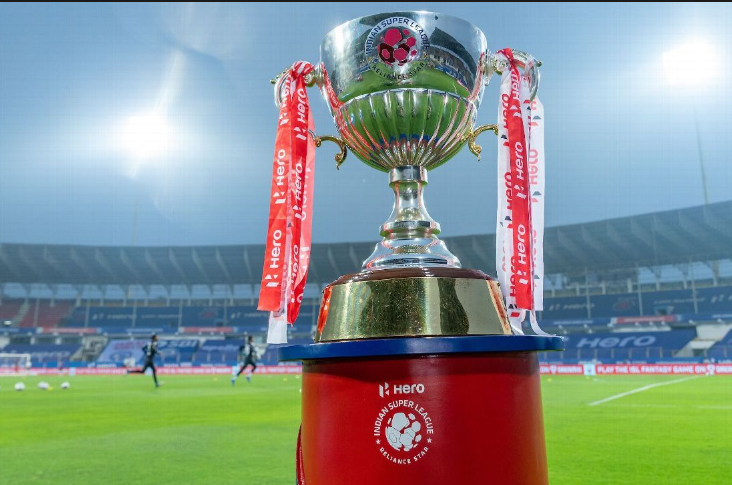
NEW DELHI, Oct 10: The 2026–27 Indian Super League (ISL) season begins on Saturday, October 10, bringing India’s top flight football clubs back into action amid expectations of a competitive campaign and renewed interest in the domestic game.
The opening day’s fixtures feature Bengaluru FC against Sporting Club Delhi and FC Goa against Chennaiyin FC. The matches mark the start of Phase One of the league, which is scheduled to continue until January 17, 2027, with games planned across several Indian cities.
The new season arrives at an important time for Indian football. Clubs will be seeking results on the pitch while the league faces broader questions about consistency, organisation and its ability to sustain supporters’ interest over the long term.
With established sides such as Mohun Bagan Super Giant, Kerala Blasters FC, East Bengal FC and Mumbai City FC among the teams attracting attention, the competition is expected to provide several compelling contests. However, the opening weekend will also test how effectively clubs have prepared for the demands of a new campaign.
Bengaluru FC begin against Sporting Club Delhi
Bengaluru FC open their campaign against Sporting Club Delhi, with both teams aiming to establish an early foothold in the competition.
For Bengaluru, the opening fixture offers an opportunity to begin the season with a positive result and build momentum before the schedule becomes more demanding. Early victories can be valuable in a league where dropped points may have a significant impact on the race for the leading positions.
The club will need to combine attacking intent with defensive discipline, particularly as opponents look to exploit any weaknesses that emerge during the opening weeks. Consistency across the season will be as important as individual performances in determining whether Bengaluru can mount a serious challenge.
Sporting Club Delhi, meanwhile, will have an opportunity to make a statement against an established opponent. Matches against recognised clubs can provide a platform for emerging teams to demonstrate their competitiveness and attract greater attention from supporters.
The contest will also offer an early indication of how the two sides approach the season tactically. Effective pressing, control of possession and the ability to convert chances could prove decisive in a fixture where both teams will want to avoid an uncertain start.
FC Goa and Chennaiyin FC prepare for opening test
The second opening-day fixture brings together FC Goa and Chennaiyin FC, two clubs with established histories in Indian football.
FC Goa have traditionally attracted attention for their attacking approach and emphasis on technical football. Their ability to create opportunities and maintain possession will be important as they attempt to secure a strong start.
Chennaiyin FC will aim to make the contest difficult for their opponents and use their own attacking opportunities effectively. A disciplined defensive performance, combined with quick transitions, could help them challenge Goa’s rhythm.
The result may also influence the confidence with which either side approaches its next fixtures. Although a single match does not determine the direction of an entire campaign, an encouraging opening performance can provide an important foundation.
Both teams will be conscious of the need to manage their squads carefully. The demands of a league season require fitness, tactical flexibility and sufficient depth to deal with injuries, suspensions and changes in form.
The opening encounter is therefore more than an opportunity to collect three points. It is also a chance for each club to assess its preparation and identify areas that may require adjustment as the competition progresses.
A season spread across several cities
The league’s opening phase is scheduled to run through January 17, 2027, with matches planned in locations including Bengaluru, Goa, Pune, Delhi, Guwahati, Bhubaneswar, Kochi, Kolkata, Chennai, Imphal and Mumbai.
The geographical spread gives supporters in different parts of the country an opportunity to follow the competition at home and in stadiums. It also presents logistical challenges for clubs, whose players and coaching staff must adapt to travel, recovery requirements and different playing conditions.
A demanding schedule can influence performances, especially when teams have limited time between fixtures. Coaches will need to rotate players where necessary without sacrificing tactical organisation or the team’s competitive balance.
Stadium attendance will remain another important measure of the league’s appeal. Supporters contribute to the atmosphere of matches and help strengthen the connection between clubs and their local communities.
For the ISL, maintaining that relationship requires more than an entertaining product on the pitch. Reliable scheduling, accessible coverage, effective communication and confidence in the organisation of the competition are also important factors in retaining audiences.
The opening phase will therefore be watched not only for its results but also for the overall experience it offers players and supporters.
Organisational questions remain important
Despite the anticipation surrounding the new campaign, concerns about the league’s stability have not disappeared. Questions over club participation and the consistency of competition arrangements remain part of the wider discussion surrounding Indian football.
An Indian Express report published on October 9 highlighted continuing signs of instability, including discrepancies in the club information displayed on the league’s official website. Such issues can create uncertainty for supporters attempting to understand the structure of the competition.
Clear and accurate communication is essential for a professional league. Clubs, players, broadcasters, sponsors and fans all depend on reliable information about fixtures, standings and participation.
Uncertainty can also complicate long-term planning for teams and commercial partners. Football clubs need predictable competition structures to plan recruitment, coaching appointments, player development and financial commitments.
Addressing these concerns would help the league strengthen its credibility and focus attention on the football itself. A stable competition can make it easier for clubs to invest in their squads, develop young players and build lasting relationships with supporters.
The beginning of a new season provides an opportunity to demonstrate progress in these areas. However, sustained improvement will depend on consistent administration throughout the campaign rather than isolated announcements or short-term measures.
Competition and squad management to shape the campaign
The presence of several established clubs should ensure a competitive environment, with teams aiming to build early momentum and avoid falling behind in the standings.
Mohun Bagan Super Giant, East Bengal FC, Kerala Blasters FC and Mumbai City FC are among the prominent names expected to attract considerable attention. Their performances, along with those of other participating clubs, will contribute to the overall competitiveness of the league.
For coaches, the challenge will be to establish clear tactical systems while allowing players to respond to different opponents. Teams that can adjust their approach without losing their identity may be better placed to cope with the changing demands of the season.
Attacking efficiency will be particularly important. Creating chances is only part of the task; converting them consistently can determine whether a team turns promising performances into victories.
Defensive organisation will be equally significant. Clubs that limit avoidable errors and maintain concentration late in matches can protect valuable points over the course of a long campaign.
Player fitness and depth may also separate the leading sides from those that struggle to maintain their early form. Injuries and suspensions are an inevitable part of football, making effective squad management essential.
Young Indian players will have opportunities to strengthen their reputations if they receive meaningful playing time and perform consistently. Their development is important not only for individual clubs but also for the wider growth of the country’s football ecosystem.
Supporters hold the key to long-term growth
The ISL’s future will depend partly on its ability to make domestic football an attractive and dependable choice for supporters. Competitive matches, strong club identities and opportunities for young talent can help generate lasting interest.
Local rivalries remain an important part of Indian football’s appeal. Clubs that connect with their communities through regular engagement and a recognisable playing style can build loyalty beyond the results of individual games.
The league also needs to ensure that supporters can follow matches through clear and reliable broadcasting or streaming arrangements. Accessibility plays a major role in reaching audiences who cannot attend stadiums.
At the same time, clubs must work to develop talent and improve the overall standard of play. A stronger domestic environment can offer Indian footballers more opportunities to gain experience and prepare for international competition.
The opening fixtures on October 10 represent the first step in a season that will test clubs across sporting and organisational dimensions. Bengaluru FC’s meeting with Sporting Club Delhi and FC Goa’s contest against Chennaiyin FC will begin the race for points, but the league’s broader progress will be judged over several months.
As the campaign gets underway, the priority for teams will be to deliver consistent performances and compete for success. For the league itself, the task will be to turn renewed attention into sustained confidence, providing a stable platform on which Indian club football can continue to grow.

