


Iran Set to Receive Chinese Air Defence Missiles Within Weeks: Report
Reported $60–70 million deal for hundreds of portable missile systems comes as Iran seeks to strengthen defences after months of conflict with the US and Israel
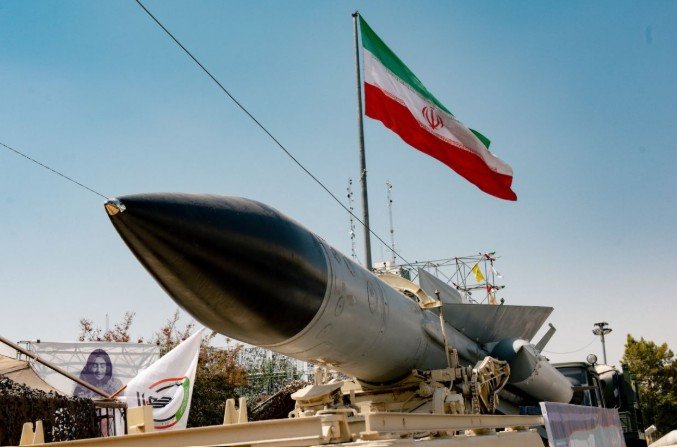
Iran, July 29 : Iran is set to receive a major boost to its short-range air defence capabilities, with the country expected to receive an initial shipment of Chinese made shoulder fired missile systems within weeks, according to sources familiar with the agreement.
The reported deal involves the purchase of hundreds of man-portable air defence systems (MANPADS), marking one of Tehran’s biggest known efforts in recent years to reinforce protection around military facilities and strategic infrastructure.
Sources said the agreement covers between 300 and 400 Chinese-made air defence missile launchers, including the QW-12 and FN-16 systems, with the estimated value of the contract placed between $60 million and $70 million.
The move comes after months of intense fighting involving Iran, the United States and Israel, during which several Iranian military and strategic sites were targeted. The conflict exposed weaknesses in Tehran’s ability to defend key locations against advanced aircraft, drones and precision-guided weapons.
Deal Aimed at Closing Gaps in Iran’s Defence Network
The reported agreement is being viewed as part of Iran’s broader effort to rebuild and modernise its defensive capabilities following significant military pressure.
While Iran has invested heavily over the past two decades in developing ballistic missiles, unmanned aerial vehicles and radar systems, defence analysts say mobile air defence weapons remain a critical requirement.
Unlike fixed missile batteries, portable systems can be quickly deployed, relocated and hidden, making them harder for adversaries to detect and destroy.
The QW-12 and FN-16 missile systems are designed to target low-altitude threats, including helicopters, aircraft and drones. Their mobility allows smaller teams to operate them near sensitive areas such as military bases, energy facilities and strategic locations.
Experts said these systems could provide Iran with an additional layer of protection against drone attacks and low-flying aerial threats.
Chinese Company Reportedly Facilitated Agreement
According to sources, the contract was signed with Zhongqing Baoshang International Investment, a Hong Kong-based firm that allegedly acted as an intermediary between Iranian representatives and the Chinese supplier.
The sources spoke anonymously due to the sensitive nature of the defence agreement.
Iran’s Foreign Ministry did not immediately comment on the reported deal, while China rejected claims that it was supplying air defence weapons to Tehran.
China’s Foreign Ministry said reports about the missile transfer were “completely groundless” and stated that Beijing has consistently worked toward promoting peace and ending conflicts.
The parent company of Zhongqing Baoshang International Investment also did not immediately respond to requests for comment.
Iran Looks to Restore Military Capabilities After Conflict
The reported missile purchase follows a period of heightened military confrontation in which the US and Israel carried out strikes against facilities linked to Iran’s missile, drone and air defence programmes.
Iran responded with waves of ballistic missile and drone attacks, highlighting the growing role of aerial warfare in modern conflicts.
The fighting also demonstrated the challenges faced by countries attempting to protect fixed military installations against advanced airpower and precision weapons.
Although a temporary ceasefire has been reported, uncertainty remains over future developments, with US President Donald Trump warning that military action could resume if negotiations fail.
Delivery Routes and Security Concerns
Sources said the first deliveries could be transported by air from China’s western region of Urumqi, with Pakistan identified as a possible transit route before reaching Iran.
However, Pakistan rejected reports suggesting it was involved in transferring Chinese air defence equipment to Iran.
Pakistan’s military public relations wing described claims about Islamabad’s involvement as false and without basis. The Pakistani Foreign Ministry did not provide an immediate response.
Sources also indicated that Iran and China have explored possible land routes for transporting military supplies and dual-use components, potentially reducing risks of disruption.
Growing Defence Cooperation Between China and Iran
The reported missile agreement highlights expanding military ties between Beijing and Tehran, despite years of international sanctions restricting Iran’s defence-related imports.
Iran has traditionally relied on domestic production for much of its military equipment, but recent battlefield challenges have increased its interest in acquiring foreign technology.
Security sources said several contracts involving Chinese QW-series missile systems have been discussed, including newer variants such as the QW-18 and QW-19.
A European security source said officials were aware of discussions involving possible sales of Chinese portable air defence systems to Iran, while another Middle Eastern security source said Tehran had been seeking QW-series missiles but could not confirm whether a final agreement had already been completed.
Strategic Importance of Portable Missile Systems
Military analysts believe the acquisition of MANPADS could significantly improve Iran’s ability to counter aerial threats at short ranges.
The systems are particularly useful against drones, which have become increasingly important in modern warfare due to their low cost, flexibility and ability to overwhelm traditional defence networks.
The purchase also reflects Iran’s strategy of combining domestic weapons development with foreign defence partnerships to strengthen its military position.
Earlier reports suggested that Iran was also exploring a separate agreement with China to acquire anti-ship cruise missiles, although it remains unclear whether that deal was finalised.

