


Iran Urges US to Lift Blockade to Prove Commitment to Peace
Tehran says it is ready to resume diplomacy if Washington demonstrates a genuine commitment to ending the conflict, as rising oil prices, continued disruption in the Strait of Hormuz and renewed military threats deepen tensions.
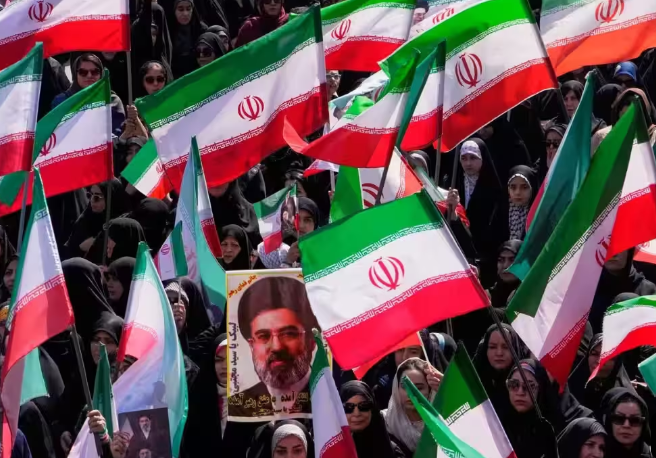
Iran, Oct 22 : Iran has called on the United States to lift its naval blockade and demonstrate a genuine commitment to a diplomatic settlement, as stalled negotiations and escalating rhetoric raise concerns about a renewed military confrontation.
In an opinion article published in the Financial Times, Iranian Foreign Minister Abbas Araghchi said Tehran remained open to diplomacy but needed convincing evidence that Washington was serious about reaching a lasting agreement.
“Iran is prepared to give diplomacy another chance if we see strong evidence of a sincere desire on the part of the US to achieve a just and honourable solution to permanently end this conflict,” Araghchi wrote.
Speaking earlier to Iraqi media, the foreign minister urged Washington to return to the Islamabad Memorandum of Understanding, signed in June, which subsequently collapsed. Under the proposed arrangement, Iran would reopen the Strait of Hormuz, while the US would lift its maritime restrictions, release frozen Iranian oil revenues and ease sanctions.
Araghchi said Iran would fully reopen the strategic waterway if the agreed conditions were implemented, paving the way for further negotiations until a comprehensive settlement could be reached.
Washington, however, has shown little interest in reviving the June understanding. Instead, it has intensified economic pressure on Tehran and renewed its focus on Iran’s nuclear programme, further widening differences between the two governments.
Oil Prices Rise Amid Shipping Disruptions
Brent crude prices climbed above $110 per barrel on Wednesday as attacks on commercial vessels and continuing instability in the Strait of Hormuz disrupted maritime traffic.
The waterway is a critical route for global energy supplies, and prolonged restrictions have heightened concerns about fuel availability and rising costs in international markets.
US President Donald Trump has repeatedly threatened fresh military action against Iran in recent weeks. He has also suggested that bombing operations could resume after the November 3 midterm elections, adding to uncertainty surrounding diplomatic efforts.
Iranian leaders fear that negotiations could be used to create an opportunity for further attacks unless Washington provides credible assurances that it intends to de-escalate the conflict.
The lack of trust has become a major obstacle to progress. Both the June 2025 war and the current conflict began with Israeli and US military action while high-level discussions between Tehran and Washington were underway.
President Masoud Pezeshkian expressed those concerns during a meeting with Pakistan’s Army Chief Asim Munir in Tehran on Tuesday. Munir has played an important role in mediation efforts between the two sides.
Pezeshkian said Iranians no longer trusted Washington and feared that their country could face another attack even if negotiations resumed.
On Wednesday, he said dialogue remained possible if the United States respected Iran’s rights and ended what he described as intimidation and aggression.
Araghchi also argued that the absence of a clear American commitment to a negotiated settlement, combined with continued threats of military action, offered little reason to expect an immediate breakthrough.
Trump and Netanyahu Signal Continued Pressure
The prospect of renewed airstrikes has prompted Iranian officials to warn that any further attack could trigger retaliation against infrastructure in Arab Gulf countries allied with Washington.
US and Israeli strikes have killed thousands of people in Iran, while Iranian drone and missile attacks have caused fatalities in Gulf states and added to regional instability. The conflict has also disrupted energy shipments and contributed to volatility in global oil markets.
Last week, Trump warned that the United States would soon “finish the job” unless Iran changed its course, while endorsing Israeli Prime Minister Benjamin Netanyahu ahead of the country’s upcoming elections.
Speculation about possible joint military action intensified on Tuesday after US Defence Secretary Pete Hegseth made an unannounced visit to Israel and met Netanyahu.
During a speech at the opening of a university, Netanyahu called for the elimination of the Iranian regime. He argued that Tehran could attempt to revive its nuclear ambitions and rebuild its regional network if it survived the current conflict.
The exchange of threats has further complicated efforts to restore negotiations. Tehran insists that lifting the blockade and securing guarantees against renewed attacks are essential steps towards peace, while Washington continues to apply pressure over Iran’s nuclear programme and regional activities.
With both sides maintaining sharply different positions, the prospects for a diplomatic breakthrough remain uncertain. The future of the Strait of Hormuz, the stability of regional energy supplies and the risk of another round of military strikes now depend heavily on whether the two governments can find a credible path back to negotiations.

