


Iran’s FIFA World Cup 2026 Journey Ends Amid Tough US Travel Restrictions
Late results deny Iran a place in the Round of 32 as the team overcomes extraordinary logistical and political challenges throughout the tournament.
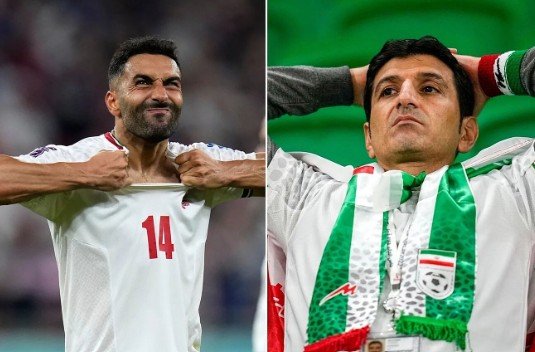
Seattle, June 29: Iran’s inspiring journey at the FIFA World Cup 2026 came to a heartbreaking end after the national team narrowly missed qualification for the Round of 32, finishing just outside the knockout places following a dramatic conclusion to the group stage.
Iran concluded its Group G campaign with three points after battling to draws against Belgium, New Zealand and Egypt. Despite remaining unbeaten in all three matches, the Asian side failed to progress because of an unfavourable goal difference and tiebreak scenarios.
The decisive moment unfolded on Saturday night during the final round of group fixtures. Iran briefly appeared destined for the knockout stage when Algeria took a 3-2 lead over Austria in stoppage time. That result would have been enough to send Iran through to the Round of 32.
However, Austria produced a dramatic equaliser with virtually the last kick of the match, earning a draw that altered the final standings and pushed Iran out of the tournament by the narrowest of margins. The heartbreaking finish left Iranian players and supporters devastated after an impressive defensive campaign.
Beyond the football, Iran’s participation was overshadowed by exceptional logistical and political challenges throughout the tournament. Following heightened regional tensions earlier this year, Iranian officials requested permission to relocate the team’s base camp from Tucson, Arizona, to neighbouring Mexico.
Tournament organisers eventually approved the request, allowing the squad to establish its headquarters in Tijuana only two weeks before the World Cup began. Even after the relocation, the team’s movements remained tightly regulated during the group stage.
For Iran’s opening two fixtures near Los Angeles, players and staff were permitted to enter the United States only one day before kickoff and were required to return to Mexico immediately after each match. The limited travel window significantly reduced preparation time compared to other competing nations.
Ahead of the final group match in Seattle, authorities relaxed the travel arrangements slightly by allowing the team to arrive two days before the fixture. Nevertheless, Iranian officials maintained that the restrictions continued to present considerable challenges throughout the competition.
Head coach Amir Ghalenoei praised his players for maintaining their focus despite the difficult circumstances. Following the draw against Egypt, he described the team’s resilience as extraordinary and criticised the treatment his squad received during the tournament.
“What these young Iranian national team players have done should be recorded in history,” Ghalenoei said. “The host treated us in the worst possible way, yet they continued to fight with determination and dignity.”
Iran’s matches also attracted considerable attention away from the field. During the opening fixture, hundreds of Iranian-Americans gathered outside the stadium to stage demonstrations concerning political developments in Iran, while thousands of supporters inside the venue created an emotionally charged atmosphere during the national anthem.
Despite the off-field distractions, the Iranian players remained committed to their campaign, earning respect for their disciplined performances against higher-ranked opponents. Their defensive organisation and fighting spirit kept qualification hopes alive until the final moments of the group stage.
Following the team’s elimination, the Iranian Football Federation released an official statement thanking the people of Mexico, particularly the residents of Tijuana, for their warm hospitality and unwavering support during an exceptionally challenging tournament.
Although Iran’s World Cup dream ended in disappointment, the team’s courage under difficult circumstances has drawn widespread recognition. Football analysts believe the squad demonstrated remarkable professionalism, proving competitive despite facing obstacles rarely encountered by teams participating on football’s biggest stage.
Iran now turns its attention to rebuilding for future international competitions, hoping the experience gained during one of the most demanding World Cup campaigns in the nation’s history will serve as motivation for the years ahead.

