


Rupee Under Pressure as Rising Oil Prices Prompt RBI Market Intervention
The central bank steps into the foreign exchange market as costlier crude raises concerns over India's import bill and currency stability.
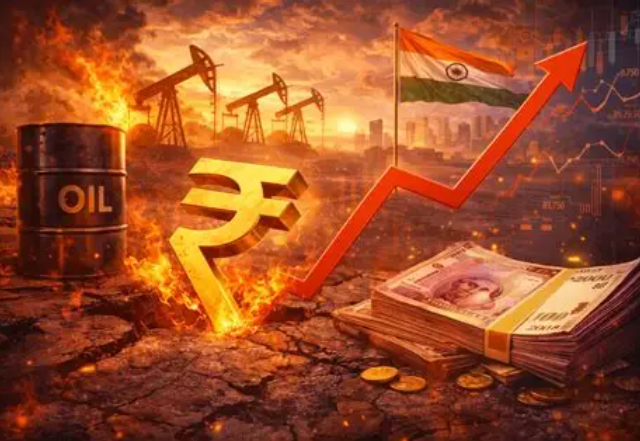
MUMBAI, Sept 4: The Reserve Bank of India intervened in the foreign exchange market on Friday to support the rupee as higher global oil prices increased pressure on the currency, according to market traders.
The rupee opened slightly stronger at 94.46 against the US dollar, compared with 94.4850 in the previous session. Traders said the central bank sold US dollars in the market to prevent further weakness in the domestic currency.
The intervention came as crude prices moved sharply higher amid intensifying tensions involving the United States and Iran. Brent crude was trading near $96 a barrel on Friday and was heading for its strongest weekly performance since mid-July.
Higher oil prices are particularly important for India because the country relies heavily on imports to meet its crude requirements. An increase in the import bill can raise demand for foreign currency and put additional pressure on the rupee.
A sustained rise in energy costs could also complicate inflation management by increasing transportation and production expenses across the economy.
The latest currency-market action highlights the challenge facing policymakers as external geopolitical developments feed into domestic financial conditions.
The rupee has faced pressure from several factors, including elevated crude prices, global dollar movements and capital flows. The RBI’s intervention is aimed at limiting excessive volatility rather than targeting a specific exchange rate.
India’s foreign exchange reserves, however, remain substantial. The country’s reserves recently reached a record level of around $729.33 billion, providing a sizeable buffer against external shocks.
Market participants are expected to closely monitor oil prices, developments in the Middle East and foreign investment flows for further direction in the rupee.
If crude prices remain elevated for an extended period, pressure on India’s external accounts and the domestic currency could increase. Conversely, any easing of geopolitical tensions could reduce the premium currently embedded in energy prices and provide some relief to the rupee.

