


Israel Expands Gaza Offensive Amid Global Calls for Ceasefire
Military operations deepen across the Gaza Strip as humanitarian agencies warn of worsening civilian conditions and renewed regional instability.
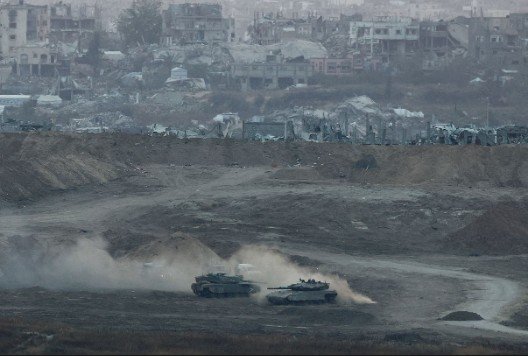
JERUSALEM, May 30: The conflict in Gaza entered a new and more volatile phase this week after Israeli Prime Minister Benjamin Netanyahu directed the military to expand operations across large sections of the territory, drawing criticism from international organisations and several world leaders.
The latest escalation comes despite ongoing diplomatic efforts aimed at preserving a fragile ceasefire arrangement that had temporarily reduced hostilities in recent months. Israeli authorities said the military campaign is focused on dismantling militant infrastructure and securing areas believed to be used for launching attacks.
According to Israeli officials, the expanded operation targets strategic zones across the Gaza Strip, including densely populated regions where militants are allegedly operating from civilian areas. Military spokespersons stated that forces were conducting precision strikes and ground operations aimed at weakening armed groups.
However, humanitarian agencies have expressed alarm over the consequences of the offensive. The United Nations warned that the shrinking availability of safe zones has left thousands of civilians trapped amid active combat areas. Aid groups reported shortages of food, medicine, clean water and fuel as humanitarian access remains severely restricted.
Hospitals across Gaza continue to face immense pressure due to the growing number of casualties and damaged infrastructure. Medical officials have appealed for uninterrupted humanitarian corridors to allow emergency supplies to reach affected communities.
The conflict has also generated fresh diplomatic tensions. Several European governments urged both sides to return to negotiations, stressing that a military solution alone cannot resolve the longstanding crisis. Regional powers including Egypt and Qatar have intensified mediation efforts aimed at preventing a broader confrontation.
Washington has maintained support for Israel’s security concerns while simultaneously encouraging restraint and renewed dialogue. Analysts say balancing these priorities has become increasingly challenging as images of civilian suffering continue to attract global attention.
Political experts believe the renewed military campaign may influence domestic politics in Israel, where debates over security, governance and hostage negotiations remain highly sensitive issues.
Meanwhile, fears persist that prolonged fighting could destabilise neighbouring regions and undermine broader peace initiatives across the Middle East. International observers warn that unless meaningful diplomatic progress is achieved, the humanitarian situation is likely to deteriorate further in the coming weeks.
As military operations continue, residents of Gaza remain caught between conflict and uncertainty, with many displaced families struggling to access essential services. The international community is expected to intensify pressure for a sustainable ceasefire and long-term political settlement.
The latest developments highlight the continuing volatility of the region and underscore the urgent need for diplomatic engagement to prevent further loss of life and regional instability.

