


Jammu’s First Tawi Boating Fest
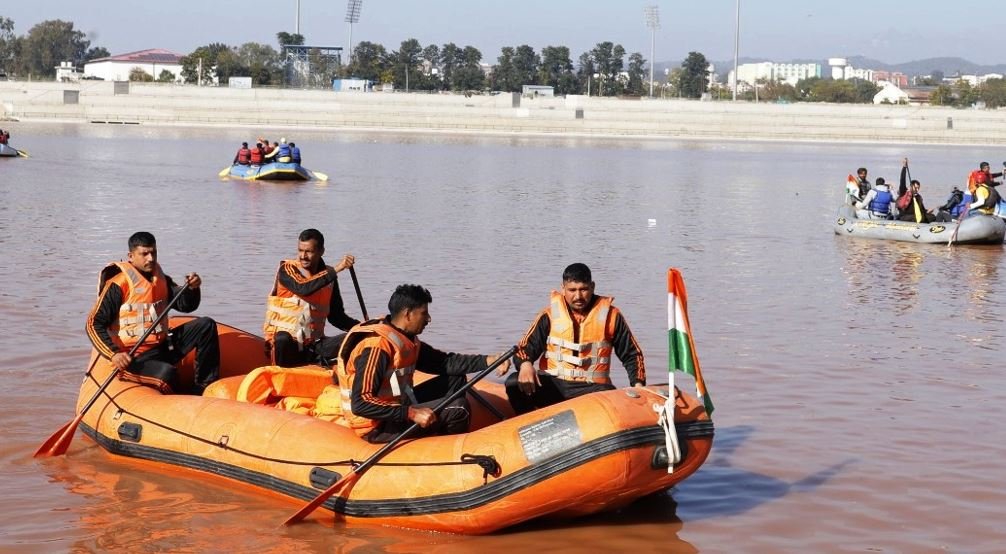
Across many Indian cities, there is a growing recognition that rivers and water bodies are not merely physical features of the landscape but living elements that shape the character and spirit of urban life. Efforts are gradually underway to reintegrate these spaces into the core of cities, serving as hubs for recreation, introspection, and fostering community interaction. The inauguration of the first Tawi Boating Festival in Jammu reflects this gentle shift in approach. It offers a meaningful example of how riverfront revitalization can contribute to tourism, local livelihoods, and improved quality of life.
For generations, the Tawi has held deep cultural and spiritual significance for the people of Jammu. Over time, however, rapid urban expansion and changing land use patterns weakened the everyday relationship between the river and the city. The redevelopment of the Tawi riverfront under the Smart Cities Mission represents a thoughtful attempt to restore this connection by transforming the river’s edge into an accessible and welcoming public space. The boating festival, marking the formal beginning of activities at the artificial lake, symbolizes this renewed bond between citizens and their river. Smart City initiatives are often associated with modern infrastructure and technological upgrades. Yet their true value lies in how they enhance daily urban experiences. Well-designed public spaces such as riverfronts, promenades, and parks provide opportunities for people to relax, socialize, and enjoy their surroundings. In Jammu, the riverfront development is beginning to offer such a space, where recreation, aesthetics, and accessibility come together in a balanced manner. Riverfront projects also carry the promise of supporting sustainable tourism. Instead of creating isolated attractions, waterfront regeneration weaves tourism into the existing urban fabric. Visitors are encouraged to explore not only the riverfront itself but also nearby markets, cultural sites, and local cuisine. The inclusion of traditional Dogra food stalls, local music, and decorative lighting during the festival reflects this integrated and welcoming approach. Careful planning of such initiatives can naturally lead to economic benefits. Boating and other recreational activities create opportunities for local entrepreneurs, while increased footfall supports small businesses in hospitality, transport, and retail. In this way, riverfront development can contribute to economic diversification and provide new avenues of livelihood, particularly in medium-sized cities like Jammu. It is also important that these efforts keep the environment in mind at all times. Rivers are delicate ecosystems that require protection and responsible management. Cleanliness, waste disposal, water quality monitoring, and regulated commercial activity are essential to ensure that development remains sustainable. A healthy river is the foundation of any successful riverfront project. In cities all over the country, artificial lakes and engineered waterfronts are becoming more and more common as part of urban regeneration. Their long-term success depends not only on design but also on effective governance and community involvement. When residents feel a sense of ownership and pride in such spaces, they are more likely to care for and protect them. Encouraging feedback and participation can help ensure that facilities continue to meet public needs. Urban recreational infrastructure also plays an important role in enhancing well-being. Access to open and pleasant public spaces supports physical activity, reduces stress, and fosters social connections. For growing cities, investing in such infrastructure reflects a commitment to balanced and people-centered development. The Tawi riverfront also has the potential to shape Jammu’s identity as a welcoming and vibrant city. Over time, a well-maintained and thoughtfully programmed waterfront can become a symbol of the city’s aspirations and a point of pride for its residents.
The Tawi Boating Festival, therefore, represents more than the launch of a recreational activity. It reflects a broader vision of reimagining riverscapes as shared spaces that bring people closer to nature and to one another. With continued care, inclusive planning, and environmental sensitivity, such initiatives can help build cities that are not only more attractive but also more humane, resilient, and harmonious.

