


J&K Needs Industry-Friendly Power Sector
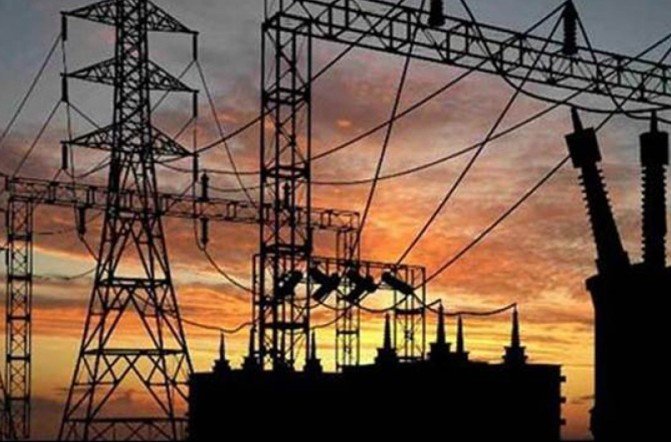
The recent interaction between the Bari Brahmana Industries Association and the Jammu Power Distribution Corporation Limited has brought a very important issue back into public focus. Jammu and Kashmir cannot build a strong industrial future unless its power sector becomes more responsive, practical and industry-friendly. For any manufacturing unit, electricity is not just another facility. It is the force that keeps machines running, workers employed, orders moving and investors confident.
Bari Brahmana is one of the most important industrial hubs of Jammu and Kashmir. Over the years, it has supported employment, entrepreneurship and regional economic activity. But industry cannot grow on intent alone. It needs dependable infrastructure, quicker decisions and a system that understands the cost of delay. When a factory faces frequent power interruptions, slow fault repair, complicated approvals or heavy billing pressure, the damage is not limited to one unit. It affects production, jobs, market commitments and the larger investment climate. The concerns placed before the power utility reflect genuine ground realities. The demand for extending the validity of Power Availability Certificates is practical and deserves serious attention. Industrial projects do not become operational overnight. They pass through several stages such as finance, construction, machinery installation, clearances and trial production. If a certificate expires before the project is fully implemented, the entrepreneur is forced to repeat formalities that should have been avoided. Such procedures discourage new investment and weaken the idea of ease of doing business. The issue of interest on delayed electricity payments also needs a balanced approach. No serious industry can claim exemption from paying dues, but the method of recovery must not become so harsh that it pushes genuine units into deeper distress. Compound interest creates a heavy burden, especially for small and medium enterprises facing delayed payments from buyers, market slowdown or working capital problems. Simple interest would be more reasonable, more humane and more likely to encourage payment without damaging industrial activity. The demand for simplification of No Objection Certificates for DG Sets and surrender of electricity connections also points towards a larger administrative problem. Industrial reforms must not remain locked in files or limited to speeches. They must be visible in everyday procedures. A unit that wants emergency backup through a DG Set should not have to struggle through unnecessary delays. Similarly, a unit that has closed, shifted or restructured its operations should be able to surrender a connection through a clear and simple process. Ease of doing business begins with such practical reforms. Another serious concern is the availability of critical spares at receiving stations serving the industrial area. In a residential locality, a fault is an inconvenience. In an industrial estate, it can stop production, damage machinery, delay supplies and cause financial loss. If essential spare parts are not readily available, restoration becomes slow and industrial units suffer unnecessarily. A major industrial area must have a strong backup system, proper maintenance planning and the ability to respond immediately to breakdowns. The shortage of field staff and technical manpower is also an issue that cannot be ignored. Power reliability is not only about supply from the grid. It is equally about maintenance, inspection, fault detection and quick repair. Industrial areas require trained teams, round-the-clock alertness and a response mechanism that respects the value of time. A delayed repair in an industrial zone is not a routine delay. It is a direct hit on productivity. The call for infrastructure upgradation across Bari Brahmana Industrial Complex is timely. The load requirements of industry are increasing, and future expansion will demand a stronger distribution network. Old systems, weak maintenance and slow response cannot support modern manufacturing. If Jammu and Kashmir wants more investment, it must first assure existing industries that their basic infrastructure needs will be met with seriousness. The demand for extension of the Power Amnesty Scheme for industrial consumers also deserves sympathetic consideration. Such a measure can help industries clear pending dues in a structured manner while also improving revenue recovery for the power utility. A fair settlement mechanism can serve both sides if it is designed with balance and responsibility. The positive assurance given by the power utility is welcome, but the real test will be implementation. Industry has heard assurances before. What it now needs is action, timelines and accountability. Regular dialogue with industrial associations should become an institutional practice, not a one-time event. Issues must be recorded, reviewed and resolved within a fixed framework.
Jammu and Kashmir cannot build a strong economy without a strong industrial base. Industry creates employment, generates revenue, supports local markets and gives direction to balanced regional development. But industry cannot survive on promises alone. Authorities must treat industrial power concerns as urgent economic priorities. Reliable supply, fair billing, simplified approvals, adequate technical staff and time-bound grievance redressal should be ensured.

