


Kashmir Youth Meet India Through Watan Ko Jaano
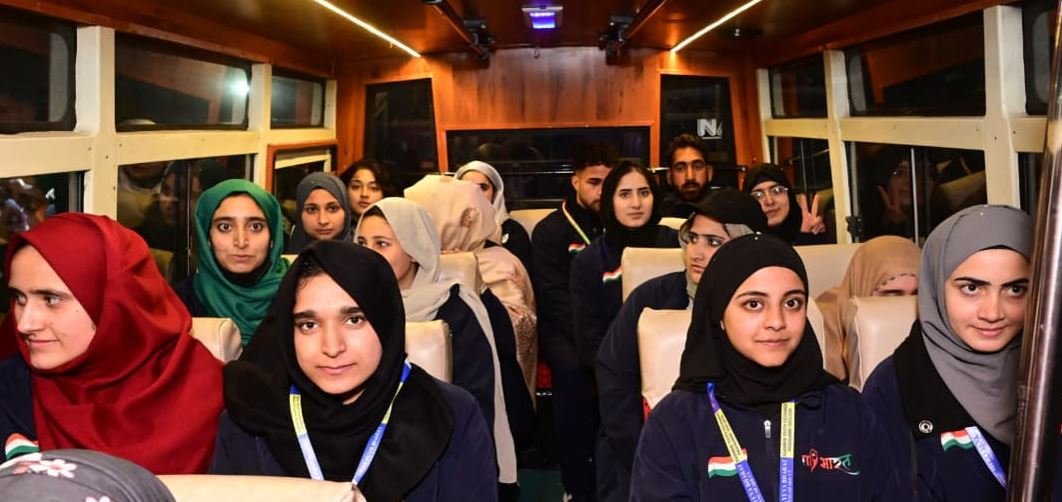
Youth exchange programmes have long been viewed as soft yet powerful instruments of national integration, and the Kashmiri Youth Exchange Programme Watan Ko Jaano offers a timely reminder of how exposure and experience can reshape perspectives more effectively than rhetoric. At a time when young people across regions navigate identities shaped by geography, history, and social narratives, such initiatives create spaces for dialogue, discovery, and shared belonging.
For many participants from the Kashmir Valley, mobility across regions is not merely a journey of distance but one of understanding. By visiting cities, institutions, and communities across the country, young participants encounter the diversity of India in its everyday form. Culture here is not abstract but lived, seen in workplaces, classrooms, heritage sites, and neighborhoods. This experiential learning allows youth to engage with difference without fear, replacing assumptions with familiarity and curiosity. The value of such programmes lies in their emphasis on interaction rather than instruction. Exchange initiatives do not attempt to impose a singular national identity. Instead, they allow participants to discover common ground organically through shared experiences. Conversations with peers, exposure to varied livelihoods, and encounters with different traditions help foster a sense of belonging that is inclusive rather than prescriptive. National integration, in this sense, becomes a lived experience rather than a slogan. J&K UT-led youth engagement plays an important role in peacebuilding, particularly in regions that have witnessed prolonged political and social stress. By investing in youth mobility and exposure, the state signals trust in young citizens and recognizes them as stakeholders in the nation’s future. Programmes like Watan Ko Jaano reflect a shift from viewing youth merely as beneficiaries to acknowledging them as potential ambassadors of harmony and understanding. The programme also highlights the importance of experiential learning in nation-building. Education does not end in classrooms, and civic awareness is often shaped by what young people see and feel firsthand. Inter-regional exchanges broaden horizons, build confidence, and encourage critical thinking. Participants return with stories, insights, and a deeper appreciation of diversity that they carry into their communities. In doing so, they become informal bridges between regions. Empowerment through exposure is another significant outcome. For youth from remote or conflict-affected areas, access to national platforms can be transformative. Seeing opportunities, innovation, and governance practices elsewhere nurtures aspiration and self-belief. It reinforces the idea that progress is shared and attainable, not confined to specific geographies. Dialogue and exposure together strengthen civic identity and encourage constructive engagement with society. Cultural immersion further strengthens federal cohesion. When young citizens experience the plurality of the nation firsthand, the idea of unity becomes rooted in understanding rather than uniformity. Exchange programmes help counter narratives of isolation by demonstrating interconnectedness. They remind participants that regional identities enrich the national fabric rather than stand apart from it. Integrating youth development with national integration strategies is therefore both pragmatic and forward-looking. Youth exchange programmes align personal growth with collective purpose. They help people learn how to be empathetic, flexible, and a leader, which are all important traits for a diverse democracy. Importantly, they also allow the state to engage with youth in a positive and participatory manner, reinforcing trust and dialogue. Initiatives sponsored by the government, like Watan Ko Jaano, demonstrate how opportunities, not persuasion, can shape inclusive national narratives. Their success, however, depends on continuity, quality engagement, and sustained follow-up. When participants are encouraged to share their experiences and remain connected beyond the programme, the impact multiplies. Unity, in a country as diverse as India, is not a mandate, but an experience. Youth exchange programmes offer that experience in its most human form. By enabling young people to see the nation through their own eyes, these initiatives quietly but effectively bridge divides, nurture understanding, and strengthen the foundations of a shared national future.
Lieutenant Governor Manoj Sinha’s consistent support for youth-centric initiatives such as Watan Ko Jaano reflects a clear understanding that national integration is best built through trust, exposure, and opportunity. By empowering Kashmiri youth to engage with the wider nation, his leadership strengthens dialogue, nurtures confidence, and invests meaningfully in a peaceful and inclusive future.

