


Lori Chavez-DeRemer Set to Step Down Amid Turbulent Tenure in United States
Exit Amid Mounting Scrutiny and Internal Upheaval
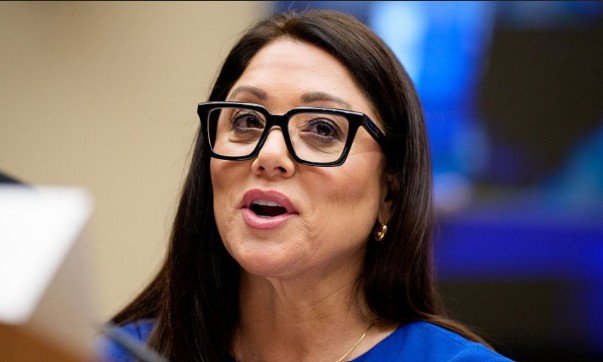
WASHINGTON: The Lori Chavez-DeRemer resignation has brought a sudden close to a contentious chapter inside the U.S. Department of Labor, as the US Labour Secretary confirmed she will leave her post following weeks of intensifying allegations and internal investigations.
The announcement, made on Monday, was swiftly acknowledged by the The White House, which stated that she intends to transition into the private sector. However, officials stopped short of providing a firm timeline for her departure, leaving questions about the immediate leadership transition.
Her exit comes during a period of notable reshuffling within Donald Trump’s administration. High-profile figures including Kristi Noem and Pam Bondi have also recently stepped down, underscoring a broader phase of instability at senior levels of government.
Official Response and Interim Leadership
In a brief public statement, Chavez-DeRemer characterized her tenure as “an honour and a privilege,” emphasizing her commitment to policies aimed at prioritizing American workers.
The administration, for its part, struck a supportive tone. White House communications director Steven Cheung credited her with delivering strong leadership, calling her performance “phenomenal” despite the controversies that marked her final weeks in office.
Following her resignation, Deputy Labour Secretary Keith Sonderling has been appointed acting head of the department, tasked with stabilizing operations as the agency navigates ongoing investigations and leadership gaps.
Who Is Lori Chavez-DeRemer?
From Local Leadership to National Spotlight
Before her rise to federal office, Chavez-DeRemer built her political career in Oregon, where she became the first Republican woman elected to Congress from the state. Her earlier tenure as mayor of Happy Valley positioned her as a prominent local leader in one of the region’s fastest-growing communities.
Appointed Labour Secretary in March 2025, she was widely viewed as an unconventional choice. Despite her Republican alignment, she managed to gain rare backing from segments of organized labour an unusual dynamic in a deeply polarized political environment.
Her background, shaped by a family connected to both union work and business, helped her cultivate an image as a mediator between workers and employers. This positioning became central to her policy messaging during her time in office.
Policy Agenda and Economic Direction
During her tenure, Chavez-DeRemer played a significant role in advancing the administration’s deregulatory priorities. She oversaw initiatives aimed at revising workplace standards, including proposals affecting wage structures and safety regulations.
Supporters argued that these changes were necessary to boost economic flexibility and reduce regulatory burdens on businesses. Critics, however, contended that such measures weakened protections for workers and signaled a shift away from longstanding labour safeguards.
These policy debates formed a key backdrop to her leadership, even before the emergence of personal and administrative controversies that would later dominate headlines.
A Tenure Marked by Controversy
Allegations and Investigations
The Lori Chavez-DeRemer resignation follows a series of allegations that prompted an investigation by the department’s inspector general. Complaints reportedly included accusations of misuse of authority, inappropriate workplace behavior, and the creation of a hostile work environment.
Among the most serious claims were allegations of an undisclosed relationship with a subordinate and the use of staff for personal tasks. Additional reports suggested blurred boundaries between official duties and private activities, raising concerns about ethical standards within the department.
Further scrutiny emerged over travel practices, with allegations that taxpayer-funded trips were used for non-official purposes. One report also claimed that she and associates visited a strip club during an official yatra an accusation strongly denied by her legal team, which dismissed the claims as baseless.
Impact on the Department
The fallout from these allegations has already led to multiple departures among senior officials within the U.S. Department of Labor. The internal probe has intensified attention on leadership culture and governance practices, potentially prompting broader institutional reforms.
As acting secretary, Keith Sonderling now faces the immediate challenge of restoring confidence within the department while ensuring continuity in policy implementation.
What Lies Ahead
Political and Institutional Implications
The Lori Chavez-DeRemer resignation adds to a growing list of high level exits that could reshape the trajectory of the current administration. It also raises questions about vetting processes, internal oversight, and the sustainability of policy agendas amid leadership disruptions.
For Chavez-DeRemer, the move to the private sector signals a new phase after a brief yet highly scrutinized tenure in federal office. For the administration, her departure represents both a political setback and an opportunity to recalibrate leadership within a critical department.
As investigations continue and a permanent successor is yet to be named, the long-term impact of this episode on labour policy and on public trust in institutional accountability remains to be seen.

