


LPG Relief Boost: 5.10 Lakh New PNG Connections, ‘Chhotu’ Cylinder Supply Doubled
Government strengthens fuel logistics, boosts PNG connections, and doubles supply of 5-kg ‘Chhotu’ cylinders to support households and migrant workers
New Delhi: Amid escalating tensions in West Asia, the Government of India has moved to reassure citizens about the stability of fuel availability across the country. Officials confirmed that supplies of petrol, diesel, and cooking gas remain secure, with sufficient reserves in place and a strong distribution network functioning nationwide.
The Ministry of Petroleum and Natural Gas stated that the country’s energy infrastructure is operating without disruption. Authorities emphasized that proactive steps are being taken to maintain seamless delivery, ensuring that households and industries do not face shortages during the uncertain global situation.
To reinforce this assurance, the government has introduced several temporary relief measures. Storage limits for kerosene have been increased, allowing for better stock management. LPG unloading processes have been simplified to reduce delays, while revised guidelines for LNG filling operations aim to streamline handling and transportation.
A key reform in the distribution system is the widespread implementation of the Delivery Authentication Code (DAC). Currently covering about 94 percent of LPG deliveries, this system is designed to enhance transparency and prevent irregularities such as black marketing, ensuring that subsidized gas reaches genuine consumers.
Surge in Demand for Small Cylinders
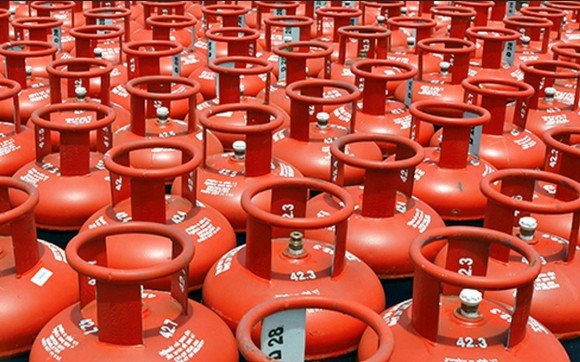
One of the most notable developments in recent months has been the rising popularity of 5-kg LPG cylinders, commonly known as ‘Chhotu’ cylinders. Since March 2026, more than 2 million units have been sold across the country. These compact cylinders have proven especially useful for migrant workers and low-income households, offering affordability and portability.
Recognizing the growing demand, the government has doubled the supply of these smaller cylinders. This move is expected to improve accessibility, particularly in urban clusters and semi-urban regions where temporary or shared housing arrangements are common.
Expansion of PNG Network Gains Momentum
Parallel to LPG distribution, the expansion of Piped Natural Gas (PNG) services is progressing at a rapid pace. Since March 2026, approximately 510,000 new PNG connections have been activated, reflecting increased adoption among households seeking a reliable and continuous gas supply.
Infrastructure development has also kept pace with demand. Facilities have already been established for an additional 256,000 connections, while around 577,000 applicants have registered for upcoming installations. This indicates strong consumer interest in transitioning toward piped gas systems.
The government, in coordination with energy companies, is actively promoting PNG adoption through awareness campaigns and incentives. State governments have been instructed to expedite administrative processes, ensuring faster approvals and installations.
Appeal to Avoid Panic Buying
Authorities have urged citizens to remain calm and avoid panic purchasing of fuel. Officials stressed that there is no shortage of petrol, diesel, or LPG, and advised the public to rely only on verified government communication.
The administration is also encouraging a gradual shift toward alternative energy solutions. Greater emphasis is being placed on PNG usage and electric cooking appliances, both of which are seen as sustainable and efficient options for the future.
Efforts to Ensure Safety of Indians Abroad
Alongside domestic measures, the government is closely monitoring the safety of Indian nationals in West Asia. According to the Ministry of External Affairs, approximately 1.19 million passengers have returned to India from the region since late February.
To assist citizens abroad, helplines and control rooms have been established in multiple countries, functioning round the clock. Indian embassies are maintaining continuous contact with expatriates, providing guidance and support.
Contingency plans are also in place for evacuation if required. Authorities have indicated that alternative travel routes are being prepared to ensure safe and timely movement of people back to India in case the situation deteriorates further.
Strengthening Energy Security
Overall, the government’s multi-pronged approach reflects a focus on ensuring energy security during a period of global uncertainty. By boosting supply chains, expanding infrastructure, and improving transparency in distribution, India aims to maintain stability in fuel availability.
With strong reserves, rising adoption of cleaner fuels, and coordinated administrative action, the country continues to safeguard its energy needs while preparing for long-term resilience.

