


Meta Unveils New AI Glasses as Wearable Technology Enters New Phase
The company is expanding its AI-powered glasses lineup with new features aimed at making wearable devices more useful for communication, audio and everyday tasks.
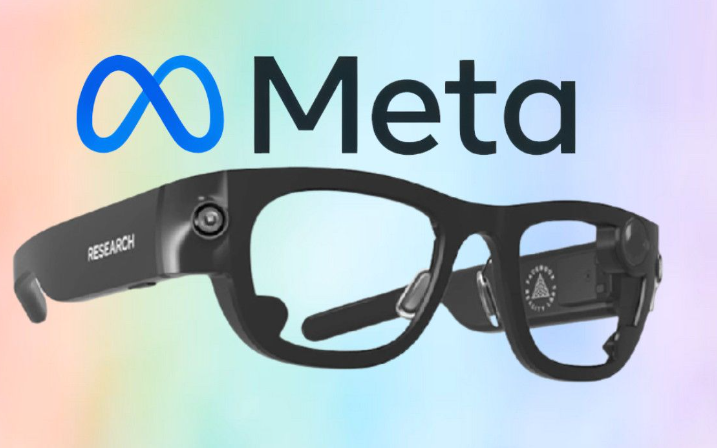
MENLO PARK, Sept 24: Meta has expanded its AI-powered wearable technology lineup at its Connect 2026 event, unveiling new smart glasses and features as the company seeks to make artificial intelligence a more visible part of everyday computing.
The announcements, made during Meta’s annual event on September 23, included new Ray-Ban Meta products, audio-focused hardware and software capabilities built around the company’s artificial intelligence technology. The developments underline Meta’s broader effort to move AI beyond smartphones and computers and into devices that people can wear throughout the day.
Among the new products is the third generation of Ray-Ban Meta glasses, along with Ray-Ban Meta Audio and updated Meta Ray-Ban Display glasses. The company also highlighted improvements involving artificial intelligence, hearing enhancement and immersive audio features.
The expansion comes as technology companies explore what could follow the smartphone as the central device for accessing digital services. Smart glasses have emerged as one of the main candidates because they can provide information without requiring users to repeatedly take out a phone.
Meta’s approach combines cameras, microphones, speakers and AI services to allow users to interact with digital assistants while keeping their phones in their pockets. The company has been developing the Ray-Ban Meta range as a consumer-oriented alternative to conventional augmented-reality headsets, focusing more on everyday use than fully immersive virtual environments.
The latest generation places greater emphasis on audio and AI-assisted interaction. That reflects a broader change in wearable technology, where companies are attempting to make devices useful even when users are not looking at a screen.
Meta’s AI strategy also extends beyond glasses. The company introduced its Muse personal AI agent earlier this month, describing it as a system capable of carrying out tasks rather than simply responding to questions. Meta says Muse can perform activities such as sending emails, booking travel and completing online transactions, while requiring user approval for sensitive actions.
The company has positioned Muse as a key component of its broader personal AI strategy. Its integration with wearable devices could eventually allow users to access AI assistance through voice and other hands-free interactions.
Meta’s push into AI wearables is taking place alongside growing competition. Technology companies are experimenting with smart glasses, AI assistants, audio devices and other products intended to reduce reliance on conventional screens.
The potential attraction of AI glasses is straightforward: they can provide assistance in situations where using a smartphone is inconvenient. Users can potentially receive directions, identify objects, ask questions, communicate with contacts or obtain information without interrupting what they are doing.
However, the technology also faces questions about privacy and social acceptance. Cameras and microphones built into wearable devices can record or process information involving people who may not know that an AI-enabled device is nearby.
Those concerns have become more prominent as smart glasses have become more capable. Reuters reported this week that Meta’s AI-enabled wearable strategy has faced privacy concerns, including questions about recording and how sensitive footage may be handled. The company and other technology firms are consequently exploring designs that provide users with greater control over when data is captured and processed.
One response has been the development of camera-free wearable products. Meta has introduced an audio-only glasses concept as part of its latest hardware push, offering a way to access wearable technology without adding a camera to the device. Reports from Meta Connect 2026 identified the camera-free glasses as one of the company’s new directions.
The move is significant because cameras have traditionally been one of the most controversial elements of smart glasses. Removing them could reduce some privacy concerns while allowing companies to retain voice-based AI assistance and audio functionality.
Meta is also attempting to improve the usefulness of its devices through better sound and hearing-related features. The company showcased audio improvements and support for immersive sound technology during Connect 2026.
The larger objective is to make wearable devices less dependent on conventional interfaces. Instead of opening an application and navigating menus, users could increasingly interact with digital services through natural conversation.
That shift could affect several areas of technology, including search, navigation, communication and online shopping. AI agents capable of taking actions on behalf of users could eventually work together with wearable hardware, creating a system in which people describe what they want and the software handles the individual steps.
Meta has already moved toward this model with Muse. The company says its AI agent can open a browser, complete forms and negotiate on a user’s behalf, while its payment system is designed to protect users’ actual card information during transactions.
The combination of AI agents and wearable hardware could therefore create a new category of personal computing. Instead of depending primarily on a smartphone screen, users could interact with an assistant through voice, audio and visual information delivered directly through glasses.
The commercial challenge, however, remains substantial. Smart glasses must be comfortable enough for extended use, offer reliable battery life and provide clear benefits that justify their cost. They must also overcome concerns about privacy and the social etiquette of wearing devices that can capture information.
Meta’s latest products suggest that the company believes AI can provide the feature that makes wearable technology more practical for mainstream users. Rather than selling glasses simply as miniature computers, Meta is emphasizing their ability to connect users with an AI assistant while they go about everyday activities.
The strategy also gives Meta an opportunity to build an ecosystem around its existing services. Its AI systems, messaging platforms and social applications can potentially work together with wearable hardware, giving the company multiple ways to integrate AI into users’ daily routines.
The September 23–24 announcements therefore represent more than another hardware refresh. They form part of a wider industry effort to determine how people will interact with AI outside traditional screens.
Whether smart glasses become a major computing platform will depend on adoption, privacy protections, battery and hardware improvements, and the usefulness of AI services. For now, Meta’s expanding lineup shows that wearable AI is becoming an increasingly important part of the technology industry’s next-generation device strategy.

