


Mountain Tourism Revival
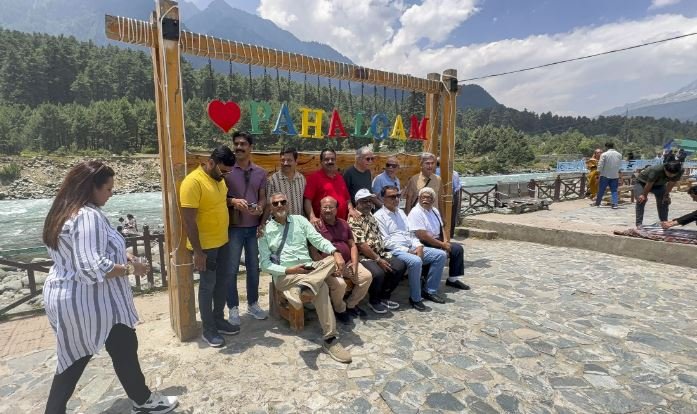
Jammu and Kashmir is gradually carving out a renewed identity in the national and global tourism landscape, with film shoots, OTT productions, and destination weddings emerging as influential contributors to its evolving economic narrative. Recent data reflect this upward momentum. During the past year alone, more than 72 film and digital projects were filmed across the Union Territory, signaling a steady resurgence of cinematic interest in the region. This renewed visibility is not merely symbolic. It carries tangible economic implications that extend across hospitality, transport, local services, and cultural industries.
Tourism statistics further underline this positive trajectory. The Union Territory has recorded sustained growth in visitor numbers, and policy emphasis is now shifting toward diversification and infrastructure strengthening. Under the UT Capex Budget for the financial year 2025–26, approximately ₹390 crore has been earmarked to enhance tourism infrastructure across multiple destinations. So far, around 611 projects have been completed, including works linked to major pilgrimage routes and tourist facilities. These investments indicate that tourism development is being approached through structured public planning rather than isolated promotional efforts. Film and OTT productions function as powerful destination marketing tools. When landscapes of Dal Lake, Gulmarg, Pahalgam, Sanasar, Doodhpathri, or the Mughal Road feature on national and international screens, they generate aspirational appeal among viewers. This phenomenon often translates into increased tourist interest and extended stays. Cinematic exposure, therefore, strengthens destination branding while encouraging repeat visitation. In addition, the logistical ecosystem surrounding film shoots, including accommodation, equipment rental, catering, and local hiring, injects direct income into regional markets. Destination weddings represent another emerging high-value segment. Such events typically involve multi-day celebrations, premium hospitality bookings, and diverse local service engagement. The multiplier effect is visible in sectors such as floriculture, handicrafts, transport services, décor, and event management. As consumer preferences shift toward experiential travel and curated celebrations, Jammu and Kashmir’s scenic and cultural attributes position it competitively within this niche market. Infrastructure modernization is playing a complementary role in sustaining this growth. A modern convention facility at Gulmarg was completed at a cost of ₹21 crore under earlier tourism development programmes to promote meetings and conference tourism. New projects include a proposed vertical lift connecting Peerkho to Mubarak Mandi, development of a convention centre near Sidhra Golf Course through public-private partnership, and a state-of-the-art golf course at Sanasar. The upgradation of public convenience facilities at more than 50 tourist locations further indicates a focus on improving visitor comfort and safety. Beyond established hubs, policy attention is gradually expanding to lesser-known destinations. Programmes aimed at the sustainable development of emerging tourist areas seek to combine government funding with private participation. This approach is expected to create employment opportunities while reducing pressure on overburdened sites. Community participation, particularly through homestay initiatives and rural tourism promotion, can help ensure that economic benefits reach remote and border regions. At the same time, sustainability remains central to long-term planning. Mountain ecosystems require careful management of waste, water resources, and transport flows. Investments in eco-friendly infrastructure and responsible tourism practices will be essential to protect the natural assets that underpin tourism growth. Balanced development can help avoid the environmental stress that has affected other high-altitude destinations.
The tourism transformation underway in Jammu and Kashmir is therefore both economic and structural. With over 72 film and digital productions in a year, ₹390 crore allocated for infrastructure in 2025–26, and hundreds of projects already completed, the region is gradually building a diversified tourism model. If current trends continue with sustained institutional coordination and community engagement, Jammu and Kashmir can consolidate its position as a vibrant, all-season destination that combines cinematic appeal, cultural richness, and sustainable development in equal measure.

