


Naidu Slams Opposition Over Defeat of Women’s Reservation Bill, Calls It a ‘Setback for Nation’
Political leaders clash over failed legislation as debate on women’s representation and regional balance intensifies
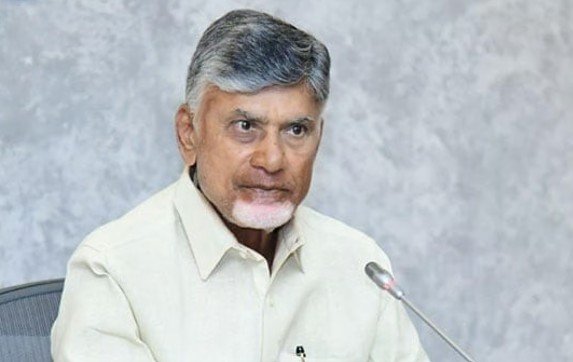
VIJAYAWADA: The political discourse surrounding the Women’s Reservation Bill intensified on Saturday, with Andhra Pradesh Chief Minister N Chandrababu Naidu strongly criticising opposition parties for what he described as a “great disservice to the nation” after the bill failed to pass.
Expressing disappointment over the outcome, Naidu said that short-term political considerations had overshadowed the larger national interest. He emphasised that the failure to pass the legislation represents a lost opportunity to institutionalise equitable representation for women in legislative bodies.
In a statement shared on social media platform X, Naidu remarked that the defeat of the bill reflects misplaced priorities within the political system. He called on those who opposed the measure to reflect on the broader implications of their stance, stressing that the country had missed a critical chance to establish a constitutional framework ensuring fair representation for women.
The proposed legislation had been widely viewed as a significant step toward addressing gender imbalance in Indian politics. Advocates argue that increasing women’s participation in lawmaking bodies would not only strengthen democratic processes but also lead to more inclusive policymaking.
Echoing similar concerns, Andhra Pradesh Deputy Chief Minister and Jana Sena Party chief Pawan Kalyan criticised opposition parties for failing to support what he termed a transformative reform. He stated that the bill represented a rare opportunity to substantially improve women’s representation in Parliament and state assemblies.
Kalyan pointed out that despite longstanding discussions around gender equity in politics, tangible progress has often been slow due to lack of consensus among political stakeholders. He suggested that the defeat of the bill underscores the persistent challenges in translating commitments to women’s empowerment into concrete legislative action.
On the other hand, differing perspectives emerged from opposition leaders, highlighting concerns beyond gender representation. YSR Congress Party chief YS Jagan Mohan Reddy raised questions about the broader implications of the bill, particularly its potential impact on regional representation.
In his remarks, Reddy noted that the proposed changes could have led to a reduction in representation for southern states, while also delaying the implementation of reservations for women. He argued that the outcome leaves both regional equity and women’s empowerment inadequately addressed.
The contrasting viewpoints illustrate the complex dynamics that often shape major legislative decisions in India. While proponents of the Women’s Reservation Bill emphasise its importance in promoting gender justice, critics have raised concerns related to federal balance, seat distribution, and timing of implementation.
Political analysts note that the debate reflects deeper structural issues within the country’s electoral framework. Questions surrounding delimitation, population-based seat allocation, and regional disparities have increasingly influenced discussions on representation, sometimes complicating efforts to push through reforms aimed at social equity.
The Women’s Reservation Bill has been a subject of debate for decades, with multiple attempts made to pass it in Parliament. Despite broad acknowledgment of the need for greater female participation in politics, consensus on the specifics of the legislation has remained elusive.
Supporters argue that reserving a fixed percentage of seats for women is essential to overcome systemic barriers that have historically limited their political participation. Critics, however, contend that such measures must be carefully balanced with other considerations, including regional representation and demographic changes.
Naidu’s remarks add to the growing chorus of voices calling for renewed efforts to revive the bill. He urged political parties to rise above partisan differences and work collaboratively toward achieving long-term national goals.
The current impasse is likely to keep the issue at the forefront of political discourse in the coming months. With increasing public awareness and advocacy around gender equality, pressure is expected to mount on policymakers to revisit the legislation and find a path forward.
As the debate continues, the central question remains whether India’s political leadership can bridge ideological and regional divides to deliver on the promise of greater inclusivity in governance.

