


Oil Prices Jump 20% in July as US-Iran War Fuels Strait of Hormuz Supply Fears
Geopolitical tensions, Strait of Hormuz risks and supply disruptions keep global crude markets on edge despite late week decline.
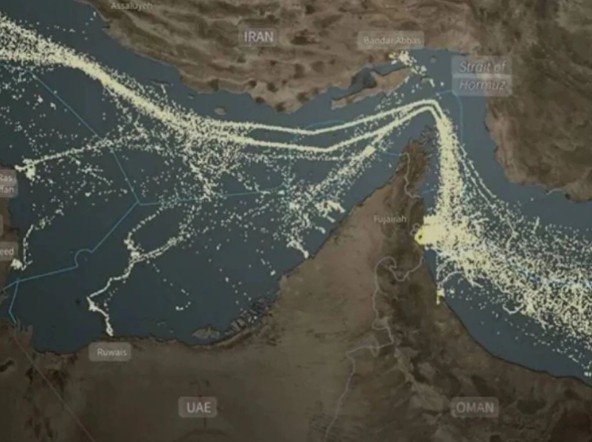
New Delhi: Global crude prices ended the week lower after a period of sharp fluctuations, but July is still poised to register the strongest monthly gain since March as rising military tensions between the United States and Iran continued to unsettle energy markets.
Brent crude slipped below $88 per barrel, while West Texas Intermediate (WTI) hovered near $82 per barrel. Despite the late pullback, both benchmarks recorded impressive gains over the month, driven by fears that the conflict in West Asia could disrupt global energy supplies.
Fresh military exchanges between Washington and Tehran last week heightened concerns over regional stability. Although shipping activity through the Strait of Hormuz has improved in recent days, investors remain cautious as the strategic waterway carries a significant share of the world’s oil exports.
Adding to market uncertainty, Saudi Arabia has initiated discussions with representatives from more than 40 countries to strengthen maritime security in and around the Red Sea after Iran-backed Houthi militants intensified attacks on commercial shipping. The Houthis have also claimed responsibility for strikes targeting oil infrastructure, raising fears of wider disruptions across regional supply chains.
Energy markets have witnessed a broad rally throughout July, with crude oil, diesel and other refined fuels posting double-digit gains. Analysts say the collapse of a temporary pause in hostilities between the US and Iran, coupled with expanding military involvement across the region, has significantly increased the geopolitical risk premium in oil prices.
The Biden administration’s intensified sanctions on Iranian-linked shipping and Tehran’s continued threats to vessels moving through the Persian Gulf have further complicated the outlook. Market participants are closely monitoring whether the conflict escalates further or shifts toward diplomatic negotiations.
Experts believe the next moves by the United States will play a decisive role in determining oil prices. According to energy analysts, markets are waiting to see whether Washington responds with stronger military action or focuses on containing tensions to avoid further disruption to global energy supplies.
Apart from developments in West Asia, fresh concerns have emerged in the Black Sea, where repeated attacks on tankers have disrupted crude exports from Kazakhstan through the Caspian Pipeline Consortium terminal. The latest incidents have added another layer of uncertainty to already strained global supply routes.
The International Monetary Fund (IMF) has warned that prolonged disruption in oil transportation could slow global economic growth. However, the institution believes the economic impact would remain manageable if normal shipping through key maritime routes resumes in the near future.
Market forecasts remain divided. Some analysts expect WTI crude to remain between $80 and $100 per barrel while geopolitical tensions persist, whereas a de-escalation could eventually pull prices back toward the $50-$60 range.
Attention is also shifting to quarterly earnings from major energy companies, including Chevron and ExxonMobil, which are expected to provide further insight into demand trends, production strategies and the outlook for the global energy sector. Meanwhile, Shell recently reported one of its strongest quarterly performances, supported by elevated refining margins and increased trading activity amid heightened geopolitical uncertainty.

