


PAHARI TRIBAL JOURNEY FORWARD
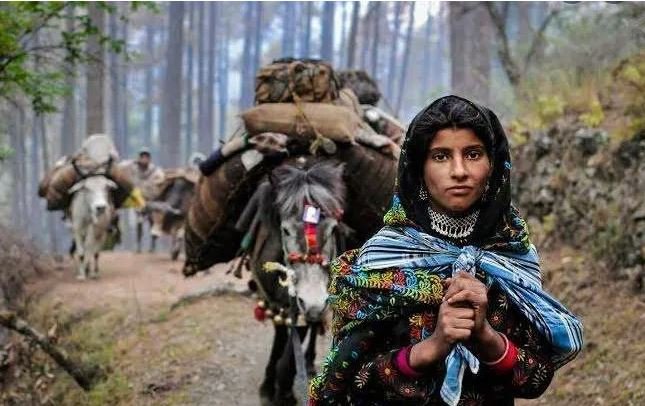
The story of the Pahari tribal community in Jammu and Kashmir is deeply rooted in resilience, patience, and an enduring quest for justice. For generations, this vibrant and culturally rich community lived on the margins of social and economic development, their contributions often overlooked and their aspirations left unfulfilled. The decision of the Parliament to grant Scheduled Tribe status to the Pahari ethnic groups was more than just a legislative step; it was a historic moment of recognition, a step toward healing old wounds and opening new possibilities. Yet, this milestone marks the beginning of a longer journey rather than its end, a journey that must now focus on empowerment, opportunity, and meaningful inclusion in every sphere of life.
The Scheduled Tribe status has brought new hope and opened doors to opportunities that were long beyond reach. Access to educational resources, employment opportunities, and political representation has the potential to reshape the future of the community. Education, in particular, is emerging as a key driver of transformation. As Pahari youth gain access to schools, colleges, and universities under affirmative action policies, they are better equipped to participate in the modern economy and build fulfilling lives for themselves and their families. Political representation, too, ensures that their voices are heard where decisions are made, making governance more inclusive and reflective of the region’s diversity. However, true empowerment requires more than legal recognition. It demands that the principles of sustainable growth and inclusive prosperity become the guiding lights of policy and action. A focused development strategy is essential, one that improves roads, healthcare, digital access, and basic infrastructure in tribal areas, while also creating avenues for income generation. Skill development, entrepreneurship, agriculture, and tourism are sectors where the Pahari community can thrive with the right support, turning historical disadvantages into new strengths. At the same time, preserving and celebrating their unique cultural identity, their language, traditions, and heritage must remain a priority, for these are the threads that enrich the broader social fabric of Jammu and Kashmir. The inclusive development of the Pahari community is not only a matter of social justice; it also contributes to peace and stability in the region. Empowerment brings a sense of belonging and purpose, reducing the space for alienation and divisive narratives to take root. When every community feels included and valued, society becomes more resilient, more harmonious, and better prepared to counter forces that seek to disrupt it. In this sense, integrating the Pahari community into the mainstream is not just about correcting historical neglect; it is about strengthening the foundations of a peaceful and prosperous future. Institutional support will play a central role in translating constitutional promises into everyday realities. Effective implementation of tribal welfare schemes, transparency in the delivery of benefits, and regular monitoring of outcomes are critical to building trust and achieving real progress. UT policies must ensure not only that the Pahari community receives its rightful share of development but also that they are active participants in shaping their own destiny. Partnerships between government agencies, civil society, and community leaders can accelerate this transformation and make it more sustainable. While the challenges ahead are significant, they are not insurmountable. Deep-seated inequalities and decades of marginalization cannot be undone overnight, but the recognition of Paharis as a Scheduled Tribe is a powerful starting point. It signals a sincere commitment to creating a more equitable future and offers the community an opportunity to build institutions, nurture leadership, and open new pathways of growth for generations to come.
Eventually, the socio-economic upliftment of the Pahari tribal community is about more than one group’s progress; it reflects the strength and inclusiveness of India’s democracy itself. Policies grounded in sustainable development and inclusive prosperity will ensure that no community is left behind and that every citizen has a chance to contribute to and benefit from growth. As Jammu and Kashmir moves forward on its path of transformation, the empowerment of the Pahari people will stand as both a symbol of change and a measure of how far the region has come in fulfilling the promise of justice and equality for all.

