


PM Fund Strengthens J&K Healthcare
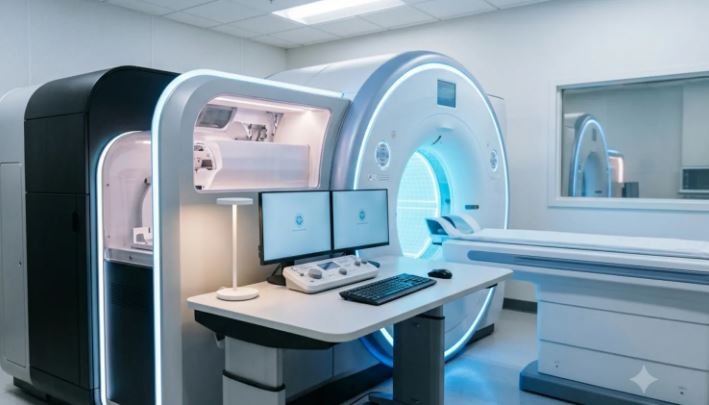
The allocation of 275 AI-enabled portable handheld X-ray machines, 9 MRI units and 4 digital mammography units to Jammu and Kashmir under the Prime Minister’s Fund is a welcome step for a healthcare system that needs both reach and reliability. For the people, this is not merely about new machines arriving in hospitals. It is about the hope that illness will be detected earlier, treatment will begin sooner, and families will not have to run from one place to another in moments of fear and helplessness.
A strong healthcare system is not measured only by large buildings, crowded hospitals or long lists of schemes. It is measured by the ease with which an ordinary patient can get a test done, receive a clear diagnosis and move towards treatment without delay. In many parts of Jammu and Kashmir, especially in remote, hilly and underserved areas, the absence of timely diagnostic facilities often becomes the first barrier between a patient and recovery. A disease that could have been detected early becomes complicated simply because the right facility was not available at the right time. The AI-enabled portable X-ray machines can make a real difference if they are deployed with purpose. Their value will be especially important in tuberculosis screening and early disease detection. Tuberculosis is not defeated by announcements alone. It is defeated when suspected cases are identified quickly, tested properly and brought under treatment without delay. Portable diagnostic technology can take healthcare closer to people, particularly those who cannot easily travel to major hospitals. The 9 MRI 1.5 Tesla units will add much-needed strength to advanced imaging services in government hospitals. MRI facilities are essential for diagnosing complex neurological, orthopedic, cancer-related and internal medical conditions. When such services are unavailable or overstretched, patients are pushed towards referrals, private centres and repeated travel. For poor and middle-class families, this often means financial stress, lost wages and emotional exhaustion. Strengthening MRI capacity in the public sector can reduce that burden and restore confidence in government healthcare. The 4 digital mammography units also carry deep public health significance. Breast cancer screening remains an area where awareness, access and social comfort are all equally important. Many women delay testing because the facility is far away, the cost is high or the environment does not feel supportive. Accessible mammography services in government institutions can help change this pattern. Early detection can save lives, but early detection becomes possible only when facilities are available, affordable and approached with sensitivity. The signing of the Memorandum of Understanding between the Ministry of Health and Family Welfare and the Government of Jammu and Kashmir provides the official framework for this initiative. Yet, the real work begins beyond the signing of papers. Procurement, installation and commissioning must move without delay. Sites must be ready, staff must be trained, power backup must be ensured, reporting systems must function and maintenance plans must be clear from the beginning. A machine locked in a room or waiting for trained manpower serves no patient. The Health and Medical Education Department has the responsibility to ensure that this important allocation becomes visible service on the ground. These facilities should not remain limited to a few major hospitals. Jammu and Kashmir’s geography demands a fairer healthcare model, one that understands distance, terrain and economic hardship. Remote districts, smaller hospitals and underserved populations must be placed at the centre of planning. Healthcare becomes meaningful only when it reaches the person who has the least ability to travel and the greatest need for support. The close monitoring of health sector reforms by Chief Secretary Atal Dulloo reflects a welcome seriousness towards modernizing public health institutions. This seriousness must continue until every unit is installed, functional and accessible to patients. People do not judge healthcare reform by official figures. They judge it by whether the test is available, whether the report comes on time, whether the doctor can decide treatment early and whether the family is spared unnecessary suffering. Artificial Intelligence can bring speed and precision to diagnostics, but it must remain a tool guided by human care. AI can assist in screening, identify patterns and support medical decision-making, but it cannot replace the judgement of doctors or the compassion of healthcare workers. Technology without humanity becomes mechanical. Healthcare without compassion loses its soul.
This initiative can become a turning point for Jammu and Kashmir if handled with discipline, fairness and urgency. It can reduce unnecessary referrals, ease pressure on tertiary hospitals, lower patient expenses and improve early treatment. The real success of these machines will not be in their numbers, but in the lives they help protect, the diagnoses they make possible and the confidence they restore in public healthcare.

