


Punjab Health Scheme Expands Access to Respiratory Care, Thousands Receive Treatment
Government backed healthcare initiative records strong participation as respiratory disease treatment reaches vulnerable communities across Punjab.
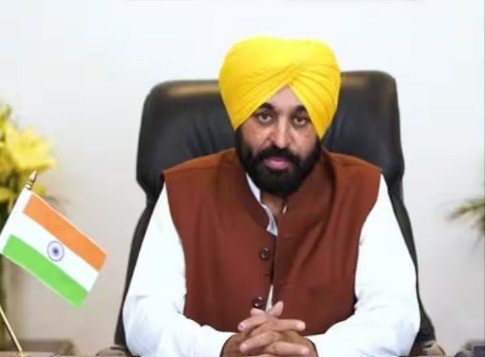
CHANDIGARH, June 5, 2026: Punjab’s flagship public health programme has reported encouraging results in expanding access to respiratory disease treatment, with thousands of patients benefiting from government supported healthcare services during the first months of implementation. Health officials say the initiative is helping vulnerable populations obtain timely medical attention for conditions that often require long-term management and specialized care.
According to the state health department, more than 3,000 patients suffering from respiratory ailments have already received treatment through the programme. Diseases such as asthma, pneumonia, and chronic obstructive pulmonary disease (COPD) continue to contribute significantly to hospital admissions, particularly during periods of seasonal change and poor air quality.
Officials noted that respiratory illnesses remain a major public health concern due to increasing environmental challenges and changing weather patterns. Medical experts warn that delayed diagnosis or inadequate treatment can lead to severe complications, placing patients at greater risk of hospitalization and long-term health problems.
The healthcare initiative aims to improve affordability by providing eligible families with access to cashless treatment benefits. Authorities believe the programme is particularly beneficial for economically weaker sections of society that may otherwise struggle to afford specialized respiratory care.
Doctors working within the programme report that early intervention has played a key role in improving patient outcomes. Prompt medical consultations, diagnostic testing, and access to prescribed therapies are helping individuals manage symptoms before conditions become critical.
Pulmonary specialists have highlighted the growing burden of respiratory diseases across India. Air pollution, exposure to industrial emissions, smoking, passive tobacco exposure, indoor pollution, and occupational hazards continue to contribute to increasing respiratory health concerns.
Health experts emphasize that awareness remains an important component of disease prevention. Citizens are being encouraged to avoid tobacco use, maintain proper ventilation in homes, minimize exposure to polluted environments, and seek medical attention when symptoms such as persistent coughing, breathlessness, or chest discomfort develop.
The programme’s early success has also reignited discussions about strengthening preventive healthcare measures. Public health specialists argue that investments in environmental protection and pollution control can significantly reduce the long-term burden of respiratory diseases.
Healthcare administrators say registration numbers under the scheme have continued to grow, indicating strong public acceptance and awareness. The increasing participation suggests that citizens are actively seeking healthcare protection against costly medical treatments and chronic illnesses.
Experts further recommend expanding community-level screening initiatives to identify respiratory disorders at an earlier stage. Mobile health units, primary health centres, and awareness campaigns could help improve disease detection in rural and underserved areas.
Medical professionals also stress the importance of vaccination, proper nutrition, regular exercise, and timely health checkups in maintaining respiratory health. Preventive measures, combined with accessible treatment options, can reduce hospitalization rates and improve overall quality of life.
As respiratory illnesses continue to pose a challenge across many parts of the country, Punjab’s experience demonstrates how targeted healthcare programmes can improve access to treatment while reducing financial barriers for patients. Health authorities believe continued investment in public healthcare infrastructure and preventive strategies will remain essential for addressing the growing burden of chronic respiratory diseases in the years ahead.

