


Rafale Deal: Nearly 80% of 114 Fighter Jets Likely to Be Built in India
Talks focus on localisation, MRO facility and exports as India pushes for greater self-reliance in defence manufacturing.
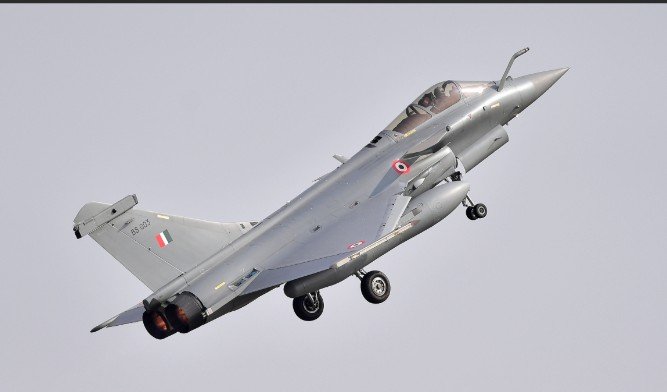
NEW DELHI: India’s proposed plan to acquire 114 Rafale fighter jets for the Indian Air Force (IAF) could mark a major shift in defence manufacturing, with nearly 80 per cent of the aircraft expected to be built in India, according to government sources.
Discussions on the deal are still underway and include proposals to relocate key elements of the manufacturing ecosystem from France to India. Officials said the emphasis is firmly on maximising local content while strengthening long-term operational readiness of the IAF.
A central element of the negotiations is the establishment of a Maintenance, Repair and Overhaul (MRO) facility in India. Officials believe a domestic MRO hub would significantly improve fleet serviceability and reduce dependence on overseas support.
Sources said cost negotiations remain ongoing, with the French side’s pricing proposal factoring in an annual inflation linked increase of around four per cent.
With a substantial portion of components and systems likely to be manufactured locally, officials see potential for Dassault Aviation to use Indian facilities for export orders as well. India could also emerge as a regional MRO hub for Rafale jets and other Dassault aircraft operated by friendly countries.
According to sources, the Rafale has been assessed as best suited to meet current IAF operational requirements. Its serviceability rate is estimated at around 90 per cent, significantly higher than several other frontline fighter aircraft, including the US made F-35.
The Indian Air Force has been advocating the acquisition of 114 Rafale jets for several years, following the aircraft’s selection through a multi-vendor tender process.
The push comes amid a steady decline in fighter squadrons, compounded by delays in indigenous programmes. Challenges related to engine availability and integration of foreign systems into the LCA Mark 1A have further impacted force levels.
Strategic pressures are also increasing, with active security fronts involving Pakistan and China, and Bangladesh emerging as an additional concern. Officials said the IAF’s fighter requirement now exceeds the long accepted benchmark of 42 squadrons.

