


Restoring Broken Futures
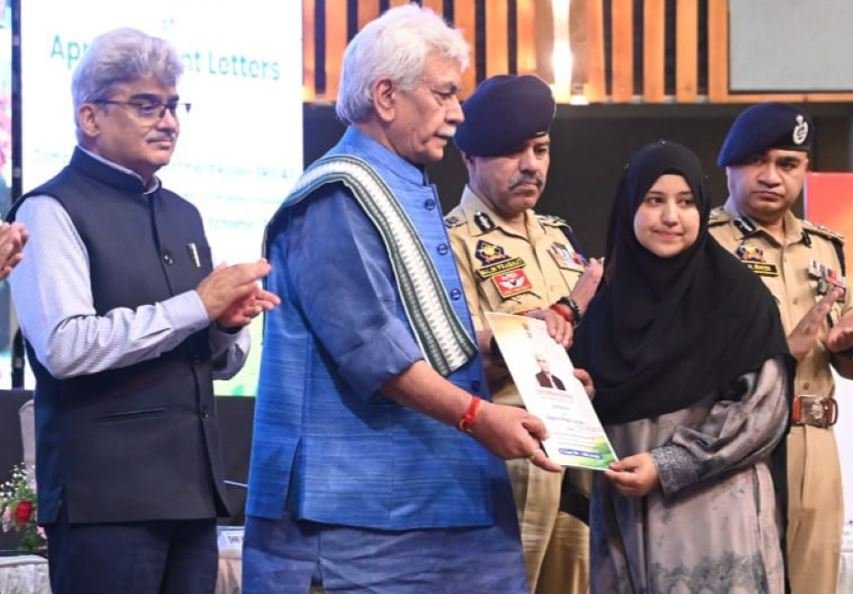
The decision to provide appointment letters to the next of kin of civilians killed by terrorists in Jammu and Kashmir is a welcome step toward justice, recognition and rehabilitation. For 37 affected families, these letters represent more than employment. They carry an assurance that their suffering has finally been acknowledged and that the State is prepared to help them rebuild lives disrupted by violence.
No appointment can replace a loved one. No salary can erase the memory of a parent, spouse, child or sibling lost to terrorism. Yet compassionate employment can restore financial stability, reduce dependence and return a measure of dignity to families that have lived for years with grief and uncertainty. It is an important form of support, but it must never be presented as compensation for an irreplaceable human loss. The case of Wali Mohammad Wani of Shopian, who was killed by terrorists on July 16, 1993, exposes the painful cost of administrative delay. His family had to wait 33 years for meaningful institutional support. Such a long wait cannot be treated as a minor procedural lapse. It reflects a serious failure to respond promptly to citizens who had already suffered the worst consequences of terrorism. The recent action deserves appreciation, but it also raises an uncomfortable question. How many other families are still waiting because their files remain incomplete, misplaced or trapped between departments? The administration must urgently identify every pending case and resolve it within a clearly defined period. Terror-affected families should not have to repeatedly visit offices, produce the same documents or seek political intervention to receive assistance that is rightfully due to them. Justice for victims cannot depend on public ceremonies or occasional drives. It must become a permanent and transparent administrative commitment. A verified database of terror victims and their dependents should be maintained, with each case regularly monitored until final resolution. Families should be able to check the status of their applications and receive clear reasons whenever a claim is delayed or rejected. Employment is important, but complete rehabilitation requires more. Many affected households may need educational support for children, medical assistance for elderly parents, psychological counselling, legal guidance and help with pensions, property or inheritance. Terrorism does not only take lives. It can destroy income, interrupt education and leave families socially and emotionally vulnerable for generations. A victim-centred rehabilitation policy must therefore look at each family’s circumstances rather than offering a single standard remedy. Children who abandoned school because of financial distress should receive educational assistance. Widows and elderly dependent’s should have access to healthcare and social security. Families facing trauma should be offered professional counselling without stigma. The process must also remain transparent and fair. Compassionate appointments should follow clear eligibility rules so that genuine families are protected from favouritism, influence or inconsistent treatment. Officials handling such claims must be trained to respond with sensitivity. A grieving family should never be treated as though it is seeking a favour from the administration. At the same time, rehabilitation of victims must proceed alongside firm action against terrorists, their handlers and those who support or enable violence. Security and compassion are not competing approaches. A strong administration must dismantle terror networks while standing visibly and consistently with innocent families affected by them. Lasting peace is built not only through security operations but also through public trust. When institutions respond fairly, citizens feel protected. When a bereaved household receives timely support, it becomes easier to believe that the system has not abandoned it. When young people are given education and employment, they gain a stronger stake in peace and development. Civilian victims of terrorism must not be reduced to numbers mentioned only during official functions. Their names, sacrifices and family histories deserve recognition in public memory. Remembering them is part of justice because it rejects every attempt to normalize violence or erase the suffering it caused.
The appointment letters are a meaningful beginning, but they cannot close the chapter. Their real value will be judged by whether all pending cases are settled without further delay and whether rehabilitation becomes humane, comprehensive and consistent. The administration has taken an important step. It must now ensure that no genuine terror-affected family remains unseen, unheard or forced to wait another generation for justice.

