


Reviving India’s Intellectual Roots
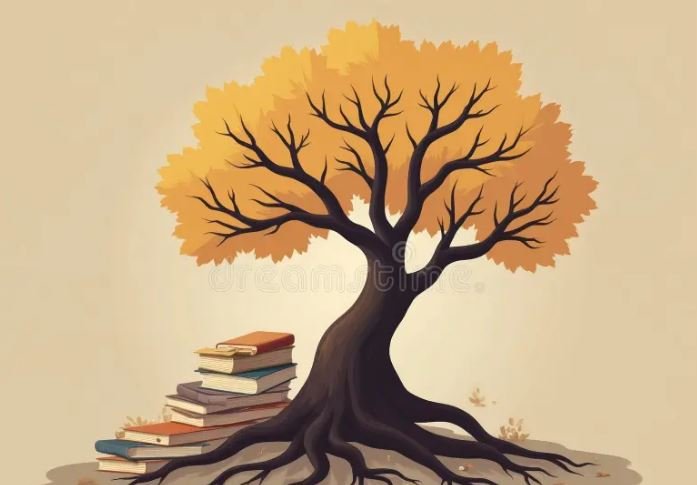
The renewed emphasis on Sanskrit scholarship and cultural traditions signals a thoughtful reawakening of India’s civilizational consciousness. At a time when rapid technological change shapes society, this focus reflects a growing understanding that meaningful progress must remain connected to cultural roots. The current moment represents not a retreat into the past but an effort to harmonize heritage with modern aspirations.
Sanskrit, recognized as one of the oldest living languages, embodies a complete and systematic knowledge tradition. Over centuries, it has served as a medium for philosophy, science, mathematics, ethics, and governance. The intellectual wealth preserved in Sanskrit texts continues to offer insights relevant to contemporary challenges, encouraging critical thinking, balance, and ethical reflection. Re-engaging with this knowledge system opens avenues for intellectual and even technological advancement grounded in long-tested wisdom. Central to this cultural revival is the role of youth. Young people today operate in a globalized, digital environment that demands innovation, adaptability, and skill. At the same time, they seek identity and purpose. Encouraging them to draw strength from ancient traditions while mastering modern competencies creates a balanced framework for growth. When scientific curiosity is combined with moral clarity and cultural awareness, education transcends utilitarian goals and contributes to holistic personality development. Educational institutions and cultural organizations play a crucial role in sustaining this balance. Recognition of scholars dedicated to Sanskrit learning and research not only honors individual achievement but also reaffirms the relevance of classical knowledge in modern society. Such recognition helps position cultural scholarship as a living discipline, capable of dialogue with contemporary thought rather than remaining confined to academic isolation. The emphasis on blending spiritual heritage with scientific inquiry reflects a long-standing Indian tradition of integrated knowledge. The idea of nurturing individuals who embody both rational inquiry and ethical sensibility highlights a vision of education that prepares learners for complex future challenges. Sanskrit learning, approached dynamically, can enhance linguistic precision, analytical reasoning, and disciplined thought, making it a valuable complement to modern curricula. Cultural revival also carries a social dimension. India’s philosophical traditions emphasize harmony, inclusiveness, and compassion. Drawing from these values can help address social divisions and promote mutual respect. When cultural heritage is invoked with openness and humility, it strengthens unity rather than exclusion. This approach ensures that revival efforts contribute positively to social cohesion. Institutions that promote classical learning serve as bridges between past and present. By encouraging research, dialogue, and community participation, they help translate ancient wisdom into contemporary relevance. Their work underscores that cultural continuity is not static preservation but active reinterpretation aligned with present realities. For such initiatives to create lasting impact, sustained support is essential. Investment in education, research, translations, and digital access can broaden engagement with Sanskrit and classical knowledge. Interdisciplinary studies can further connect traditional texts with modern fields, allowing fresh insights to emerge. Youth participation remains key to ensuring continuity and innovation.
Ultimately, this cultural resurgence reflects confidence in India’s intellectual heritage and its capacity to guide future progress. By nurturing youth as custodians of both tradition and innovation, society can move forward with balance and purpose. The renewed attention to Sanskrit and cultural values offers a hopeful vision of development that is ethically grounded, intellectually rich, and inclusive. Moreover, the Jammu and Kashmir government deserves appreciation for encouraging cultural and intellectual initiatives that reconnect society with its rich heritage. Going forward, sustained support for education, research, and youth engagement will ensure that this cultural revival remains inclusive, dynamic, and closely aligned with modern learning and innovation goals.

