


SAAB Pushes for Gripen Fighter Induction in Indian Air Force
Swedish defence major pitches technology transfer, local manufacturing, and rapid induction to strengthen IAF capabilities.
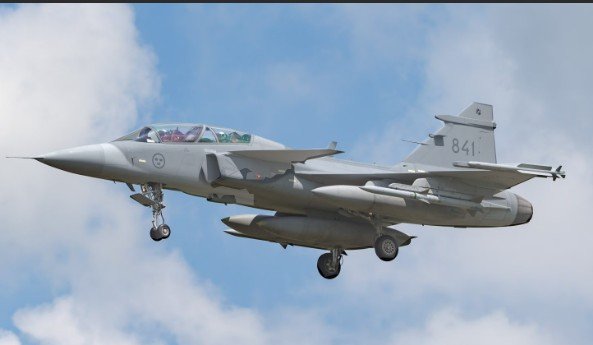
India, Feb 09 : Swedish defence company SAAB has proposed establishing a next generation aerospace ecosystem in India while offering its Gripen E fighter jet for induction into the Indian Air Force (IAF). The plan includes multi-layered capabilities spanning design, production, maintenance, and technology development.
Mikael Franzen, Chief Marketing Officer for Gripen and Vice President of Business Area Aeronautics at SAAB, said discussions with the Indian government centre on building what he described as one of the world’s most advanced aerospace industries. Speaking at the Singapore Airshow held from February 3 to 8, Franzen highlighted the jet’s modern architecture, advanced sensors, and strong networking capabilities as key factors that could enhance India’s air power.
He noted that the Gripen E is designed for high operational availability, enabling forces to maintain substantial combat readiness. According to SAAB, the aircraft can complement existing platforms such as Rafale and Tejas while offering flexibility for rapid deployment and large scale induction.
Franzen emphasised the jet’s software-driven framework, which allows swift integration of emerging technologies, including artificial intelligence, electronic warfare systems, and network-centric combat features. He added that air forces can independently develop, test, and certify software upgrades without extensive manufacturer involvement, reducing downtime.
A central element of SAAB’s proposal is an extensive transfer of technology involving more than 300 companies, including MSMEs. The company believes this industrial collaboration could support India’s indigenous fighter programmes, including the Advanced Medium Combat Aircraft (AMCA).
SAAB also outlined a phased production strategy, with initial aircraft built in Sweden followed by accelerated manufacturing in India. Deliveries could begin as early as three years after contract finalisation, alongside the creation of a domestic supplier base that may evolve into a regional export hub.
The proposal aims to enable customised national software integration and scalable AI capabilities within the aircraft’s avionics, positioning the platform for future operational requirements. SAAB said the initiative aligns with the “Make in India” vision and could serve as a foundation for long-term growth in the country’s defence aviation sector.

