


Smarter Mobility for J&K Roads
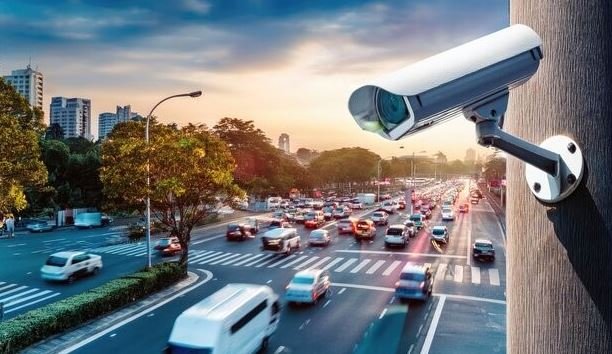
Urban mobility in a mountainous region like Jammu and Kashmir requires thoughtful planning and steady coordination. Jammu and Srinagar, the two capital cities, have expanded quickly in recent years, with rising tourism, increasing vehicle numbers, and growing commercial activity. This fast-paced growth has placed pressure on already narrow road networks, resulting in congestion, limited parking space, and irregular traffic behaviour. In this context, the ongoing mobility reforms represent a welcome shift toward more organized, technology-based, and people-centric urban transport planning.
Recent multi-agency discussions on traffic management show a clear effort to move beyond temporary fixes toward long-term, integrated solutions. The introduction of Intelligent Traffic Management Systems and upgraded traffic light networks is an important step in this direction. These systems allow real-time monitoring, better signal coordination, and faster responses to congestion, which is especially helpful in cities shaped by uneven terrain and heavy visitor movement. For regions like Jammu and Srinagar, such upgrades are becoming essential rather than optional. However, technology alone cannot transform urban mobility. Effective traffic governance depends on close cooperation among various departments, including roads, police, transport, housing, and municipal bodies. The review highlighted the need for stronger enforcement, as lane discipline, wrong-side driving, and illegal parking continue to be frequent issues. With thousands of repeat violators identified through e-challans, it is clear that behavioural discipline must grow alongside technological improvement. Creating a safer, more organized traffic culture will require both strict enforcement and consistent public awareness. The emphasis on improving parking facilities, especially through multi-level structures, also reflects a thoughtful approach. As private vehicle ownership continues to rise, providing organized parking becomes essential to prevent roads from being used as resting spots for vehicles. Plans to establish dedicated hawker zones and relocate street vendors respectfully are equally important, as they help keep footpaths and roadways open while protecting livelihoods. A balanced approach to public space management is key to making cities more walkable and commuter-friendly. Strengthening public transport is another encouraging aspect of the reform efforts. The addition of new buses, expansion of electric vehicle charging points, and better regulation of e-rickshaws signal a commitment to cleaner, more accessible mobility options. If implemented effectively, these steps can reduce dependence on private vehicles and ease pressure on city roads. For environmentally sensitive areas, encouraging public and electric transport is vital for long-term sustainability. Road safety has also been given much-needed attention. Identifying accident-prone black spots, improving dividers, enforcing no-honking zones, and tightening school bus safety norms all contribute to safer mobility for residents, especially children and pedestrians. The procurement of modern enforcement tools such as speed detectors and breath analyzers shows a willingness to upgrade safety mechanisms thoughtfully and systematically. What is particularly encouraging is the focus on community participation. Traffic reforms work best when people feel informed, engaged, and confident in the improvements being made. The call for location-specific updates and close monitoring reflects a desire for transparency and accountability. When citizens see positive changes around them, cooperation grows naturally.
Jammu and Srinagar stand at an important moment of transition. Their path forward will depend on how effectively they blend technology with planning, enforcement with empathy, and infrastructure upgrades with environmental care. The roadmap ahead recognizes that traffic management is not merely about controlling vehicles but about creating cities that are convenient, safe, and welcoming for everyone. With steady implementation and collective support, these initiatives hold the promise of transforming both cities into models of smart, calm, and sustainable mobility for the Himalayan region.

