


South Korea Scrambles Fighter Jets After Russian Military Aircraft Enter Air Defence Zone
Seoul said the Russian military planes briefly entered the Korea Air Defence Identification Zone over the East Sea but did not breach the country's sovereign airspace.
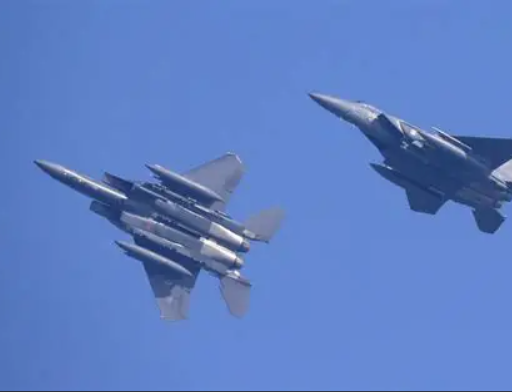
South Korea, Nov 24 : South Korea scrambled fighter jets after several Russian military aircraft entered its air defence identification zone (KADIZ) off the country’s eastern coast, prompting the military to take precautionary measures to prevent a possible confrontation.
According to South Korea’s Joint Chiefs of Staff (JCS), the Russian aircraft briefly entered the identification zone over the East Sea on November 17 before departing. The military clarified that the planes did not violate South Korea’s sovereign airspace.
The JCS said it had been monitoring the aircraft as they approached the zone and dispatched fighter jets in response. The deployment was intended to maintain surveillance and ensure that the situation did not escalate into an unintended military incident.
South Korea’s military described the movements of the Russian aircraft as tactical manoeuvres, indicating that its fighter jets took appropriate measures to avoid a direct confrontation while keeping the foreign planes under observation.
An air defence identification zone is an area extending beyond a country’s territorial airspace in which incoming aircraft are identified and monitored for national security purposes. Such zones are intended to provide military authorities with additional time to assess potential threats and respond to approaching aircraft.
However, entering an air defence identification zone does not automatically amount to a violation of national airspace. Sovereign airspace generally extends over a country’s land territory and territorial waters, while an identification zone may cover areas beyond those boundaries.
The distinction is important in the Korean Peninsula, where military aircraft from neighbouring countries frequently operate near sensitive maritime and airspace boundaries. Although such movements may be permitted under international aviation principles, they can trigger heightened monitoring and precautionary deployments.
Russia and China do not recognise South Korea’s authority over the KADIZ, maintaining that the zone has no basis in international law. Their position has contributed to recurring disagreements over military aircraft movements in the region.
For Seoul, monitoring aircraft entering the identification zone remains an important part of its air defence arrangements. The military closely tracks approaching planes to establish their identity, flight path and intentions, particularly when they belong to foreign armed forces.
The latest episode is part of a series of similar encounters involving Russian military aircraft near the Korean Peninsula. In August, Russian planes entered the KADIZ over the East Sea, prompting South Korea to scramble fighter jets on that occasion as well.
These incidents highlight the continuing security sensitivities surrounding the region. The East Sea, also known as the Sea of Japan, is strategically significant because of its proximity to the Korean Peninsula, Japan and Russia’s Far Eastern territories.
Military aircraft operating in the area are closely monitored by regional defence forces, particularly when their movements bring them near air defence identification zones. Such encounters can increase tensions even when no national airspace has been breached.
South Korea’s response on November 17 reflected its approach of maintaining readiness while avoiding unnecessary escalation. By deploying fighter jets and tracking the Russian aircraft, the military sought to ensure that the situation remained under control.
The incident also underscores the broader challenge faced by regional powers in managing military activity around overlapping areas of strategic interest. While countries may disagree over the legal status of identification zones, unexpected aircraft movements can still lead to rapid military responses.
For now, South Korean authorities have maintained that the Russian aircraft did not enter the country’s sovereign airspace. The episode nevertheless demonstrates the importance Seoul places on monitoring foreign military activity and protecting its airspace amid continuing security concerns in Northeast Asia.

