


SpaceX Announces Investment of Over USD 74 Billion in Supercomputing Campuses in Texas and Arizona
Elon Musk-led SpaceX outlines two major infrastructure projects, including a USD 24 billion facility in South Texas and a proposed USD 50 billion campus in Arizona, expected to generate thousands of jobs
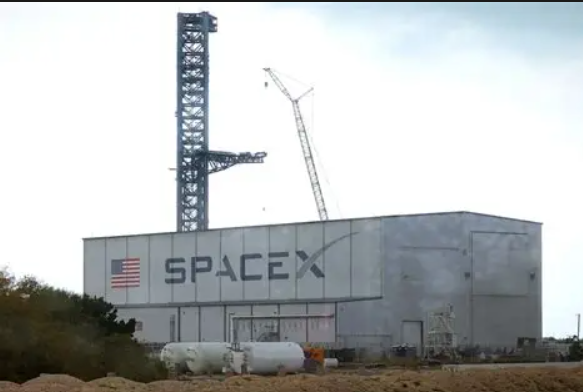
HOUSTON, Nov 13: SpaceX has announced plans to invest more than USD 74 billion in two artificial intelligence supercomputing campuses in Texas and Arizona, marking a major expansion of its ambitions in advanced computing infrastructure.
According to a statement issued on Thursday, the company plans to allocate more than USD 24 billion towards a supercomputing facility in the Rio Grande Valley of South Texas, while approximately USD 50 billion will be invested in a separate campus in Cochise County, Arizona.
The two developments are expected to operate using different electricity arrangements, reflecting the company’s plans to establish large-scale computing facilities supported by dedicated power infrastructure.
The proposed Starbase facility in South Texas will generate its own electricity without relying on the public power grid. In contrast, the Arizona project will work with local electric cooperatives to secure electricity and could eventually expand its capacity to six gigawatts.
The Texas development will cover approximately 444 acres situated between Boca Chica Boulevard and the Port of Brownsville, close to the city’s landfill.
A public hearing notice issued for Starbase identifies Space Exploration Technologies Corp., commonly known as SpaceX, as the owner and applicant for the proposed gas-fired power plant and supercomputing facility.
The company’s estimated investment of more than USD 24 billion relates to the initial development phases, although the project is designed to accommodate further expansion in the coming years.
SpaceX said construction activities at the Starbase site have already generated more than 3,000 jobs. Once operational, the facility is expected to support over 500 permanent positions, providing additional employment opportunities in the Brownsville region.
The project is also expected to contribute to local infrastructure development. SpaceX has indicated that it could provide up to USD 220 million in private capital towards expanding Brownsville’s water and wastewater systems.
The proposed investment comes as communities across the United States seek to attract major technology and infrastructure projects that can generate employment, increase economic activity and strengthen regional development.
The Starbase City Commission is scheduled to consider a property tax abatement and an economic development agreement for the project on December 9. The decision could play an important role in determining the financial arrangements supporting the development.
Meanwhile, the Arizona campus represents an even larger proposed investment, with SpaceX estimating that the project will require approximately USD 50 billion.
The development in Cochise County remains subject to regulatory approvals from local authorities. If approved and completed, it is projected to create approximately 5,500 construction jobs and 1,000 permanent positions.
One of the key features of the Arizona project will be its proposed water management system. SpaceX plans to use dry cooling technology, which is intended to reduce water requirements compared with conventional cooling systems used by large computing facilities.
The company has also indicated that the development will not involve planned industrial groundwater consumption, an important consideration in a region where water availability is a significant concern.
The Arizona facility could ultimately reach a power capacity of six gigawatts through cooperation with local electric cooperatives. Such a large electricity requirement highlights the scale of computing infrastructure needed to support increasingly sophisticated artificial intelligence operations.
AI supercomputing campuses are designed to accommodate large numbers of specialised processors, storage systems and networking equipment. These facilities provide the computing capacity required to train advanced AI models, process enormous datasets and operate complex applications.
Demand for such infrastructure has increased as technology companies expand their investments in generative AI, autonomous systems, machine learning and other computing-intensive technologies.
The development of increasingly capable AI systems requires substantial processing power, making access to reliable electricity a central issue for companies planning large data centres and supercomputing facilities.
SpaceX’s two proposed campuses reflect this growing demand and the importance of securing dedicated energy supplies to support future technological operations.
The company’s decision to establish separate power arrangements for the Texas and Arizona facilities also highlights the different infrastructure requirements associated with large-scale computing projects.
In Texas, the planned independent electricity generation system is intended to allow the Starbase facility to operate without drawing power from the public grid. In Arizona, the company is pursuing cooperation with local electricity providers to support a potentially much larger computing capacity.
The projects could also have significant economic implications for their respective regions. Construction activity is expected to create thousands of temporary jobs, while permanent operations could provide long-term employment in engineering, technology, energy management and facility maintenance.
In Brownsville, the proposed contribution towards water and wastewater infrastructure could provide additional benefits beyond the immediate development site.
Similarly, the Arizona campus could bring substantial investment into Cochise County, although its progress will depend on regulatory clearances and the development of the required electricity infrastructure.
The projects also come amid increasing scrutiny of the environmental impact of large-scale computing facilities. AI infrastructure requires considerable electricity, while conventional data centre cooling systems can consume significant quantities of water.
SpaceX’s proposed use of dry cooling in Arizona is intended to address part of this challenge by limiting dependence on industrial groundwater supplies.
However, the overall environmental impact of both developments will depend on their final designs, energy sources, emissions and operational requirements.
The Texas facility’s proposed gas-fired electricity generation will also make its emissions profile an important consideration as the project advances.
For local authorities, the challenge will be to balance the potential economic advantages of the developments with environmental protection, infrastructure capacity and the interests of surrounding communities.
SpaceX’s investment announcement underscores the growing importance of AI computing infrastructure in the global technology race. As demand for advanced processing capacity continues to increase, companies are exploring new locations and energy arrangements to support their expanding operations.
With more than USD 74 billion planned across the two campuses, the developments could become significant additions to the United States’ supercomputing infrastructure, provided they secure the necessary approvals and move forward as proposed.

