


Sri Lanka A Crush India A by Eight Wickets to Reach Asia Cup Rising Stars Final
Centuries from Sri Lankan openers help the side chase down India's imposing 318-run target in just 41.3 overs, ending the hosts' campaign in the semifinal.
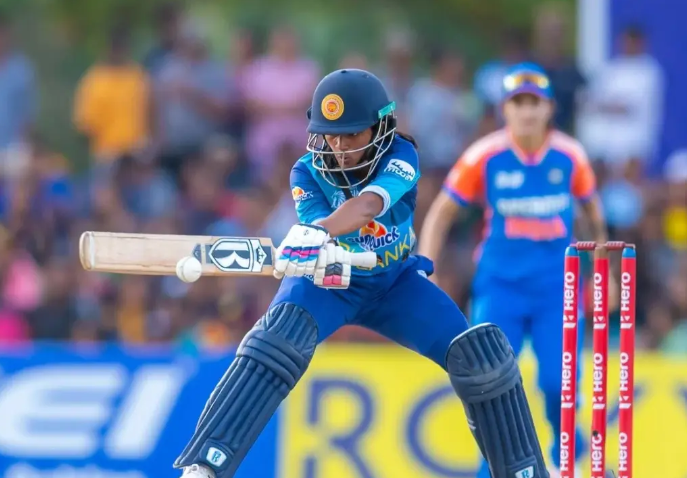
DOHA, Nov 26: Sri Lanka A produced a commanding batting performance to defeat India A by eight wickets in the semifinal of the ACC Men’s Asia Cup Rising Stars 2026, successfully chasing a challenging target of 318 runs at the West End Park International Cricket Stadium in Doha.
The Sri Lankan side delivered an outstanding response to India’s imposing total of 317 for eight in 50 overs, reaching 318 for two in just 41.3 overs. The victory was built around exceptional centuries from the Sri Lankan opening batters, who took control of the chase and prevented India from making a comeback.
The result was a major setback for India A, who had entered the knockout contest with considerable confidence following their remarkable performance in the group stage. Their campaign had received particular attention after teenage batter Vaibhav Sooryavanshi produced a breathtaking double century against the United Arab Emirates.
However, the semifinal presented a different challenge, with Sri Lanka’s disciplined batting approach proving decisive in a high-scoring encounter.
India A won the toss and elected to bat, setting the foundation for a competitive total through contributions from several members of their top and middle order. Abhishek Sharma emerged as the leading run-scorer for the Indian side, producing an aggressive 78-run innings that provided momentum during the opening stages.
The left-handed batter looked comfortable against the Sri Lankan bowling attack and made effective use of the scoring opportunities available. His innings helped India maintain a healthy run rate and put pressure on the opposition during the first half of the contest.
Teenage opener Vaibhav Sooryavanshi also made a useful contribution, scoring 40 from 27 deliveries. Although he could not repeat the extraordinary performance that had made headlines earlier in the tournament, his attacking approach gave India an encouraging start.
Captain Tilak Varma strengthened the innings with a composed 53, ensuring that India did not lose momentum after the dismissal of the opening batters. His contribution was important in rebuilding the innings and maintaining pressure on Sri Lanka’s bowlers.
Shahbaz Ahmed provided another significant boost towards the end, remaining unbeaten on 54. His innings helped India cross the 300-run mark and gave the team what appeared to be a challenging total to defend.
India eventually finished at 317 for eight in their allotted 50 overs. With multiple batters contributing substantial scores, the team had reason to believe that its bowling attack could successfully defend the target.
However, Sri Lanka’s response quickly changed the complexion of the match.
The visitors began their innings with considerable intent, with Croospulle and Jayawardena establishing an imposing opening partnership. Both batters demonstrated excellent control and attacking awareness, punishing loose deliveries while rotating the strike effectively against India’s bowlers.
Their 174-run partnership for the first wicket proved to be the defining phase of the semifinal. The Indian attack struggled to create sustained pressure, while the Sri Lankan pair continued to find boundaries and keep the required run rate under control.
Jayawardena was particularly aggressive during the partnership. He completed his century in just 62 deliveries and eventually departed after scoring 105 from 70 balls. His innings included 10 boundaries and six sixes, making him one of the standout performers of the encounter.
Croospulle, meanwhile, played an equally important role by combining attacking strokes with calculated batting. He scored 116 from 107 deliveries, striking 12 fours and three sixes.
Although Jayawardena’s dismissal offered India a brief opportunity to regain control, Croospulle continued to anchor the chase. He built another valuable partnership with Nishan Madushka, who provided stability during the middle overs.
Madushka remained unbeaten on 58 from 56 deliveries, ensuring that Sri Lanka did not experience any significant disruption after the departure of its openers.
Croospulle was eventually dismissed by Harshit Rana, but the damage had already been done. Sri Lanka required only a relatively modest number of runs at that stage, with the Indian bowlers unable to create the breakthroughs needed to revive the contest.
Captain Pavan Rathnayake then joined Madushka and played an aggressive finishing role. He scored an unbeaten 31 from just 16 balls, including three sixes, as Sri Lanka completed the chase comfortably.
The visitors reached 318 for two in 41.3 overs, winning with 51 balls remaining. Jayawardena was named Player of the Match for his outstanding century.
The result highlighted the importance of partnerships in high-scoring one-day cricket. While India had managed to cross the 300-run barrier, Sri Lanka demonstrated that a strong opening stand and disciplined batting could make even a demanding target achievable.
India captain Tilak Varma had also used eight bowlers in an attempt to find a breakthrough. However, the strategy failed to contain the Sri Lankan batters, who maintained their attacking approach throughout the chase.
The defeat will raise questions about India’s bowling performance and its ability to defend substantial totals under pressure. The team had several experienced players in its lineup, but the attack could not find the consistency required to stop the opposition.
For Sri Lanka, the victory represents an important achievement in the tournament and provides considerable confidence ahead of the final.
The side will now face the winner of the second semifinal between Pakistan A and Bangladesh A in the title clash scheduled for November 29 in Doha.
The tournament has provided an opportunity for emerging cricketers from the participating countries to demonstrate their abilities at the international development level. Performances such as those delivered by Croospulle and Jayawardena could strengthen their prospects of earning greater opportunities in the future.
For India A, the semifinal defeat brings its campaign to an end despite several impressive individual performances during the competition.
Sooryavanshi’s explosive batting, Abhishek Sharma’s consistency and contributions from Tilak Varma and Shahbaz Ahmed remain notable positives. Nevertheless, the inability to defend 317 runs will be a major talking point as the team reviews its performance.
Sri Lanka A, meanwhile, will enter Sunday’s final with momentum after delivering one of the most convincing batting displays of the tournament.
The semifinal ultimately demonstrated how quickly momentum can shift in limited-overs cricket. India’s strong batting effort had placed the team in a promising position, but Sri Lanka’s openers produced a remarkable response that left little room for a comeback.
With the championship match approaching, Sri Lanka will look to carry that confidence into the final and take another step towards securing the Rising Stars title.

