


Sweden PM Kristersson Set to Resign as Left-Leaning Opposition Secures Narrow Election Majority
The centre left bloc secured 176 seats in Sweden’s 349-member Riksdag, edging the governing bloc by three seats and opening talks on forming a new government.
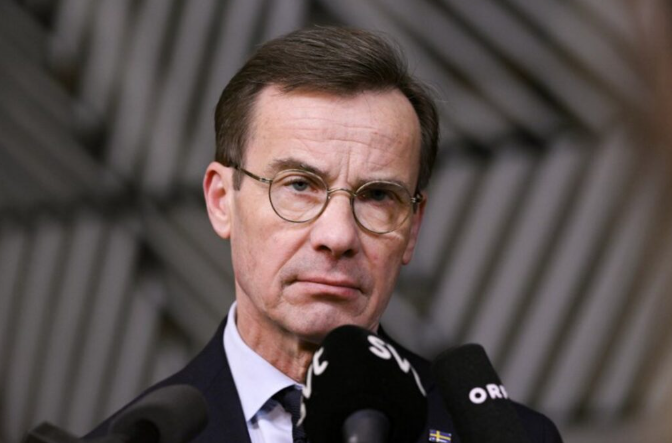
STOCKHOLM, Sep 17: Swedish Prime Minister Ulf Kristersson has announced his resignation after the country’s left-leaning opposition secured a narrow majority in the parliamentary election.
According to the completed election count, four opposition parties won 176 seats in the 349-member Riksdag, while the four parties that make up or support the outgoing conservative led government secured 173 seats. The result gives the opposition a three seat advantage.
Kristersson, who has headed Sweden’s centre right government since 2022, submitted his resignation to the parliament’s speaker shortly after the final results were announced. In his letter, he said the resignation would allow the process of forming a new government to begin.
The Social Democrats, led by former Prime Minister Magdalena Andersson, emerged as the largest single party with 99 seats. However, despite leading the opposition bloc, Andersson faces difficult negotiations with other parties before a new government can be formed.
The final result confirmed the opposition’s narrow lead after late-arriving ballots, including votes from overseas, were included in the count. Sweden’s electoral system provides for additional checks and counting of votes after election day before the final distribution of parliamentary seats is determined.
Kristersson’s government was based on a three-party centre-right coalition, with parliamentary support from the Sweden Democrats. The party secured 62 seats, falling behind the Moderates and finishing third overall. It also recorded a significant decline compared with the previous election.
The election outcome has created a complicated political situation for Andersson. The Centre Party has cooperated with the opposition bloc but has previously indicated that it does not want to form a government together with the Left Party. These differences could make coalition negotiations challenging.
The resignation of Kristersson now allows the parliamentary speaker to begin consultations with political parties over the formation of a new government. Kristersson and his ministers are expected to remain in office in a caretaker capacity until a new administration takes over.
With the opposition holding only a narrow majority, the coming negotiations will determine how Sweden’s next government is structured and which parties will participate in or support it.

