


Tencent Unveils Open-Source AI Model Targeting Coding and Research Tasks
China’s technology giant releases a preview model as competition intensifies to develop capable AI systems that can handle complex technical work.
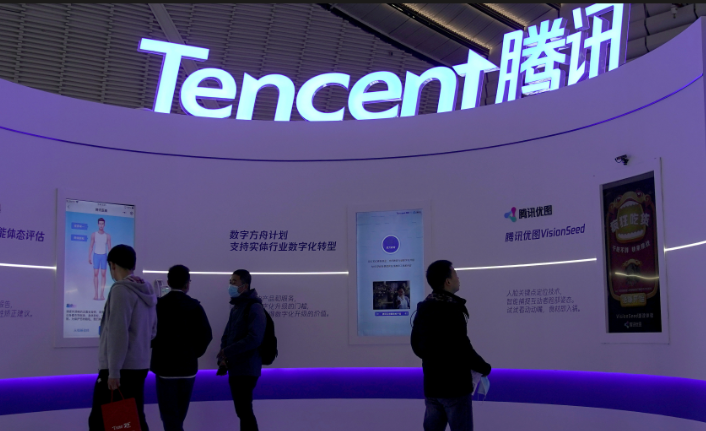
China, Aug 29 : Chinese technology giant Tencent has released a preview version of a new open source artificial intelligence model designed to perform coding, research and other demanding tasks, adding to the growing competition in the global AI industry.
The model is aimed at developers and researchers who require AI systems capable of handling complex technical workflows. Tencent’s move comes as technology companies increasingly turn to open source models to expand access to advanced artificial intelligence capabilities.
The release highlights China’s growing push to develop competitive domestic AI systems while reducing reliance on technology developed outside the country. Chinese firms have been investing heavily in large language models, computing infrastructure and specialised chips as the country seeks to strengthen its position in the global artificial intelligence race.
Open-source systems allow developers to inspect, adapt and build applications around models, potentially accelerating experimentation and adoption. Companies can also customise such systems for specific business and research requirements.
Tencent’s latest release adds another option for developers working on software engineering and research applications. The company has been expanding its AI portfolio as competition among major Chinese technology firms intensifies.
The development also comes at a time when AI companies globally are focusing on models that can move beyond simple question-and-answer functions. Coding assistants, research tools and AI agents are increasingly being designed to complete multi-step tasks with less human intervention.
The wider industry is simultaneously facing questions over computing costs, data requirements, safety and the reliability of AI-generated output. Open-source releases have become an important part of that debate because they can broaden access while giving researchers greater flexibility to study and modify models.
Tencent’s latest model is therefore likely to attract attention from developers looking for alternatives to proprietary AI platforms, particularly in coding and technical research.
The release further underlines how rapidly the AI landscape is evolving, with companies competing not only on model performance but also on accessibility, customisation and the ability to support specialised workloads.

