


Thathri Relief Priority
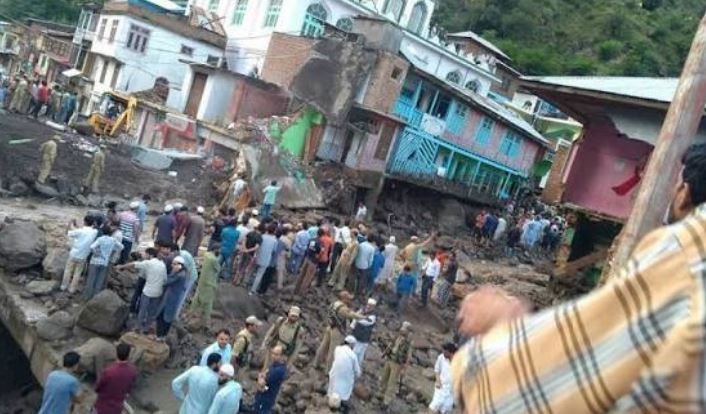
The cloudburst in Thathri area of Doda district is a sharp reminder that Jammu and Kashmir’s hill regions live under a constant threat from sudden and extreme weather events. Within a short span, nature can turn violent, damage houses, hit small businesses, block roads and disturb normal life. It is a relief that no casualty or injury has been reported in the incident, but the damage caused to homes and shops cannot be treated lightly. For the affected families, this is not just a weather event. It is a direct blow to shelter, livelihood, security and peace of mind.
The prompt intervention of Lieutenant Governor Manoj Sinha, who spoke to authorities concerned and directed immediate relief and assistance, is a timely and necessary step. In disaster situations, response cannot wait for lengthy files or slow procedures. People in distress need the administration on the ground, not only in statements. The direction to provide urgent support to affected families and speed up restoration work, including clearance of National Highway 244, shows that the administration understands the seriousness of the situation. A blocked highway in a hilly district is not merely a traffic problem. It affects emergency movement, essential supplies, public confidence and the daily survival of local communities. The first duty of the administration now is to ensure that every affected family receives help without delay. Relief must be quick, fair and visible. Families whose houses have been damaged need immediate shelter, food, blankets, medicines and financial assistance. Traders whose shops have suffered losses also deserve proper attention, because in small towns and hill markets, a damaged shop often means a damaged household economy. These families cannot be left to struggle with paperwork while trying to rebuild their lives. At the same time, damage assessment must be transparent and time-bound. Disaster relief loses its meaning when affected people are forced to run from one office to another for compensation. The revenue, public works, police, health and local bodies must work in coordination so that the losses are recorded honestly and assistance reaches the genuine victims. There should be no space for delay, confusion or selective relief. In such moments, the credibility of governance is judged by how it treats the weakest and the worst affected. The Thathri cloudburst should also force a serious review of disaster preparedness in Doda and other vulnerable hill districts. Cloudbursts, flash floods, landslides and road blockages are no longer rare or isolated incidents. Mountain settlements are becoming increasingly exposed to unpredictable weather patterns. This reality demands a tougher, smarter and more localized disaster management system. Preparedness cannot begin after the damage is done. It must begin with mapping of vulnerable areas, strengthening of drainage systems, timely warnings, trained local response teams and availability of emergency relief material at accessible points. National Highway 244 and other road links in the region must be treated as lifelines. Every vulnerable stretch should be reviewed for slope stability, drainage failure, debris flow and weak retaining structures. Restoring a damaged road is important, but rebuilding it with the same old weaknesses is a mistake. The aim should be resilient restoration, not temporary patchwork. Hill infrastructure needs scientific planning, regular monitoring and accountability from executing agencies. Community participation is equally important. Local residents are often the first responders during a disaster. They know the terrain, risky slopes, water channels and vulnerable habitations better than anyone else. Their knowledge should be used in disaster planning. Village-level response groups, public awareness drives and emergency communication systems can reduce panic and save lives when official teams take time to reach difficult locations. The Thathri incident has spared human life, and that is a blessing. But it should not become an excuse for complacency. The damage to houses and shops is a warning that the next incident may be more severe if preparedness remains weak. The administration has acted swiftly, but the real test lies in sustained relief, honest compensation and stronger preventive planning.
Jammu and Kashmir’s hill districts need a disaster response model that is compassionate in relief and aggressive in preparedness. The people of Thathri must receive immediate assistance today, but they also deserve safer infrastructure, stronger warning systems and better protection for tomorrow. Disasters may be natural, but helplessness after disasters is often the result of weak planning. That must change.

