


Trump’s Iran War Strategy Sparks Frustration Among Closest Gulf Allies
Middle East allies seek stronger security assurances from Washington while diplomatic efforts to ease tensions with Tehran gather pace.
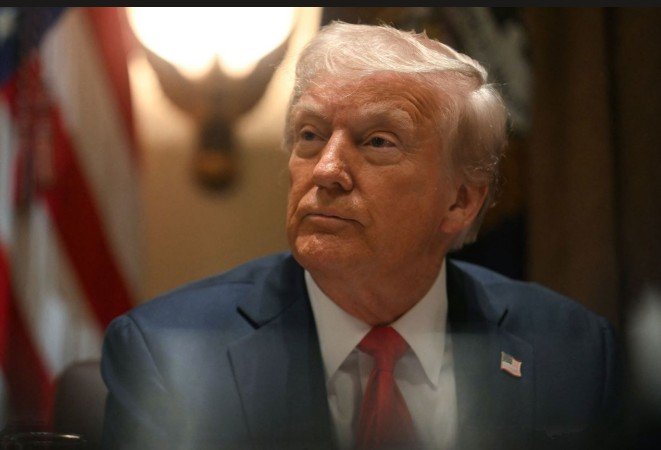
Washington DC: Frustration is mounting among key Gulf nations over what they view as an uncertain American approach to the ongoing tensions with Iran, as regional leaders seek greater security guarantees and a clearer roadmap from Washington, according to a report by The Wall Street Journal.
The prolonged standoff has heightened fears across the Gulf, where governments remain exposed to potential Iranian retaliation and growing instability. Several regional partners have reportedly urged the United States to reinforce air defence capabilities and provide firm assurances that American military support will continue if the crisis intensifies.
President Donald Trump had earlier indicated that fresh military action against Iranian targets was under consideration. However, the planned operation was postponed after diplomatic efforts showed signs of progress, including discussions aimed at reopening the strategically vital Strait of Hormuz. Gulf capitals are also said to have encouraged Washington to prioritise negotiations with Tehran over further escalation.
A social media message from Trump on Sunday briefly eased tensions, although observers noted that his approach continues to alternate between military warnings and expressions of optimism about a negotiated settlement.
Behind the scenes, regional mediators have intensified efforts to broker a ceasefire. Qatar reportedly presented a revised proposal to Iranian officials designed to restore normal maritime movement through the Strait of Hormuz. Iranian diplomats responded positively to the draft, raising cautious hopes for a diplomatic breakthrough, although Tehran has yet to formally approve the proposal.
The Strait of Hormuz remains one of the world’s most critical energy corridors, carrying nearly one-fifth of global oil supplies. Discussions continue over Tehran’s reported demand for transit fees on vessels using the waterway, an issue that remains unacceptable to Washington.
Iran has also floated additional proposals focused on restoring maritime trade while seeking relief from sanctions imposed on its oil exports, according to the report.
Saudi Crown Prince Mohammed bin Salman reportedly held discussions with Trump before the US President’s public statement, urging continued diplomacy to prevent a wider regional conflict. Saudi officials have maintained that dialogue remains the best path to preserving stability and avoiding a broader military confrontation.
Despite these diplomatic exchanges, Gulf leaders are said to remain dissatisfied with Washington’s long-term regional policy. Officials have privately expressed concern that the absence of a clearly defined American strategy leaves neighbouring countries vulnerable while they continue to absorb the security consequences of the crisis.
Differences have also emerged within the Gulf Cooperation Council. Senior regional officials indicated that the United Arab Emirates has favoured a tougher military approach, arguing that stronger pressure would force Iran’s Islamic Revolutionary Guard Corps (IRGC) to negotiate more seriously. Suggestions reportedly included tighter control over the Strait of Hormuz and expanded military options.
Saudi Arabia, however, has continued to advocate restraint and dialogue. Although Riyadh initially opposed certain US military proposals concerning the Strait of Hormuz, it later aligned with Washington’s broader efforts after consultations.
Israeli officials quoted in the report believe Trump currently prefers achieving a diplomatic settlement rather than entering another prolonged regional conflict, given the significant economic and security costs such a war would impose.
The report also noted that public support within the United States for confrontation with Iran has weakened, creating additional political challenges ahead of the November midterm elections. Iranian officials are believed to be closely monitoring these domestic pressures as diplomatic negotiations continue.
Former Israeli military intelligence official Danny Citrinowicz told The Wall Street Journal that Gulf countries now wield considerable influence over Washington’s decision making, arguing that regional governments place stability above military escalation and fear that any strike on Iranian infrastructure could trigger immediate retaliation against their own energy facilities.

