


Urban Growth with Shelter
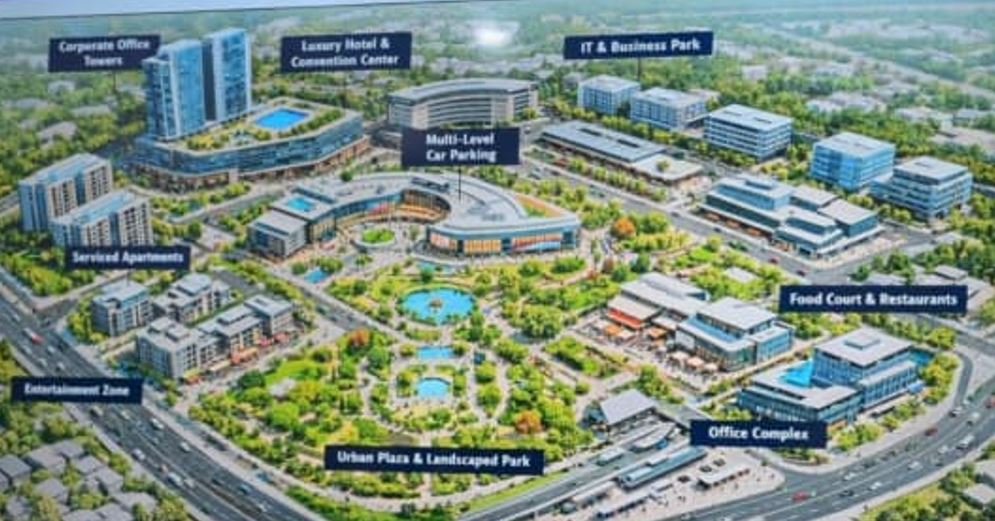
The challenge of providing affordable housing in rapidly expanding urban centers has emerged as one of the most pressing governance concerns in Jammu and Kashmir. Shrinking availability of urban land, steadily rising prices, and unplanned expansion have collectively pushed home ownership beyond the reach of large sections of society. In this context, the renewed focus on public agency-led housing colony development reflects a timely and necessary state intervention aimed at restoring balance between market forces and social responsibility.
Speculative dynamics cannot entirely control urban housing. When land becomes scarce and prices soar, the burden falls disproportionately on middle- and lower-income households, young professionals, and first-time home seekers. Government housing authorities, therefore, carry a critical responsibility to act as stabilizers. Planned housing colonies developed by public agencies offer not only affordability but also predictability, transparency, and long-term security for citizens who otherwise remain vulnerable to market volatility. The emphasis on structured and high-density housing marks an important shift away from horizontal sprawl that strains infrastructure and civic services. Vertical development allows more efficient land use, reduces per-unit costs, and enables the integration of shared amenities such as parking, green spaces, and community facilities. When executed with quality standards and sound planning, such housing models enhance livability while preserving scarce urban land for future needs. Equally significant is the growing reliance on innovative delivery mechanisms such as public-private partnerships and self-financing schemes. These models recognize the fiscal limitations of the state while harnessing private sector efficiency, design expertise, and capital. Well-structured partnerships can reduce government exposure without compromising affordability, provided regulatory oversight remains strong and social obligations such as housing for economically weaker sections are clearly enforced. Housing policy today must also align with broader environmental and climate commitments. The move towards sustainable and net-zero housing colonies signals an understanding that urban growth cannot come at the cost of ecological stability. Energy-efficient designs, infrastructure that can withstand climate change, and transit-oriented development principles are no longer optional; they are now required for responsible urban planning. Such approaches also reduce long-term costs for residents through lower energy consumption and improved environmental quality. Planned housing colonies have a social purpose that goes beyond just providing shelter. They contribute to social stability, economic well-being, and orderly urbanization. When housing is available within a planned ecosystem that includes roads, utilities, schools, and healthcare access, it reduces informal settlements and unregulated construction that often lead to safety and governance challenges. In this sense, housing becomes a foundation for inclusive urban development rather than a standalone commodity. Institutional coordination remains central to the success of these initiatives. Housing boards and development authorities need to work together toward a common urban vision instead of working in separate groups. Timely approvals, clear land titles, coordinated infrastructure provisioning, and consistent quality standards determine whether projects remain on schedule and retain public trust. Delays and fragmented execution can quickly erode confidence and inflate costs, undermining the very objective of affordability. Another critical dimension is public confidence and participation. Transparent allotment processes, realistic pricing, and credible timelines are essential to ensure that housing colonies serve genuine end users rather than speculative interests. When public agencies demonstrate efficiency and integrity, they encourage citizens to invest their savings with confidence and view government-led housing as a viable alternative to private markets. As Jammu and Kashmir navigates its urban transition, housing policy must remain anchored in the principle that shelter is not merely a market product but a social valuable. State intervention through planned housing colonies reflects an understanding that inclusive growth requires deliberate design and long-term commitment. If executed with discipline, innovation, and coordination, these initiatives can reshape urban landscapes into organized, sustainable, and equitable spaces.
Housing stands at the intersection of dignity, stability, and opportunity. By prioritizing affordability, sustainability, and planned growth, public agencies have the opportunity to transform not just skylines but lives, ensuring that the promise of urban development remains accessible to all sections of society.

