


US-China Trade Tensions Disrupt Global Supply Chains, Emerging Markets Feel the Strain
Rising protectionism and escalating tariffs between major economies create ripple effects across manufacturing, logistics, and commodity markets worldwide.
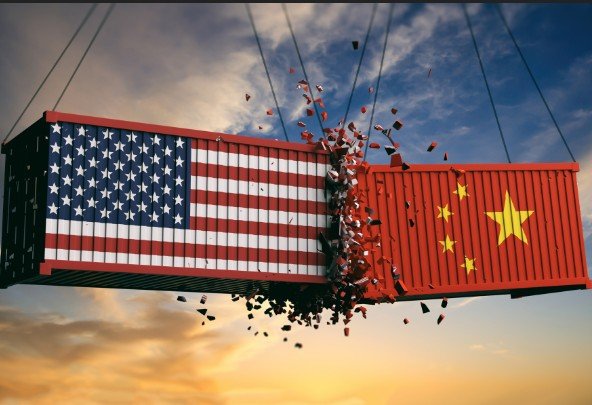
US, Mar 25 : Global trade is facing mounting pressures as rising protectionist policies and trade tensions between the United States and China increasingly disrupt international supply chains. Analysts say the escalating tariffs, export restrictions, and regulatory hurdles are forcing companies to rethink sourcing, production, and distribution strategies.
Emerging markets are among the hardest hit, with manufacturers in Southeast Asia, Latin America, and Africa experiencing delays and higher costs due to disrupted shipping routes and increased import export charges. Industries ranging from electronics and automotive to textiles and agriculture are reporting supply bottlenecks, which may ultimately be passed on to consumers through rising prices.
Experts highlight that the shift in global supply networks is prompting firms to diversify production locations, reduce dependence on single-country sourcing, and invest in regional manufacturing hubs. While this could boost local economies in some regions, short-term disruptions and increased operational costs remain significant challenges.
Economists warn that if trade tensions continue, global growth could slow, with emerging markets facing currency volatility, inflationary pressures, and reduced foreign investment. Governments and multinational companies are being urged to negotiate trade agreements and adopt policies to ensure smoother cross border operations.

