


US-China Trade Tensions Rise Over Advanced Semiconductor Restrictions
Washington expands technology export controls while Beijing warns of strong countermeasures against economic pressure.
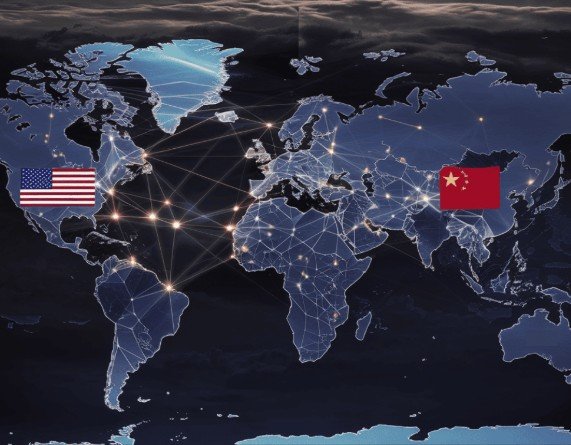
WASHINGTON/BEIJING, May 9, 2026: Trade relations between United States and China faced renewed strain after Washington announced additional export restrictions on advanced semiconductor technology, triggering sharp reactions from Beijing and global technology markets.
The new measures introduced by the US administration target high-performance artificial intelligence chips, advanced manufacturing equipment and sensitive computing technologies that American officials say could enhance China’s military and surveillance capabilities.
US Commerce Department officials stated that the restrictions are designed to protect national security interests and maintain technological leadership in strategic sectors including artificial intelligence, quantum computing and next-generation defence systems.
Chinese authorities strongly criticised the move, describing it as economic coercion and an attempt to contain China’s technological rise. Beijing warned that it would take “necessary countermeasures” to protect the interests of Chinese companies and maintain supply chain stability.
The dispute has created uncertainty across global semiconductor industries, with investors concerned about disruptions to production networks involving major chip manufacturers in Asia, Europe and North America. Several technology stocks recorded losses after the announcement.
Industry experts noted that semiconductors have become a central battleground in the broader geopolitical competition between the world’s two largest economies. Modern chips are essential for everything from smartphones and electric vehicles to military equipment and data centres.
Chinese technology firms are expected to accelerate domestic chip development efforts in response to the restrictions. Beijing has already increased state investment in semiconductor research, manufacturing facilities and AI infrastructure to reduce dependence on foreign suppliers.
Meanwhile, American officials defended the policy as a necessary safeguard against strategic vulnerabilities. Lawmakers in Washington argued that unrestricted technology transfers could undermine US security and strengthen rival military capabilities.
The latest measures could also affect allied nations that export semiconductor equipment to China. Countries such as Japan, South Korea and the Netherlands are closely monitoring the situation as they balance economic interests with strategic partnerships.
Economists warned that prolonged trade tensions could increase production costs and slow global innovation by fragmenting technology supply chains. Consumer electronics manufacturers may face delays and price increases if restrictions continue to expand.
International trade organisations called for dialogue and transparency to avoid deeper disruptions to the global economy. Analysts believe both sides may continue retaliatory economic measures unless high-level diplomatic talks resume soon.
The semiconductor dispute comes at a time when global demand for AI technologies is rapidly growing. Companies worldwide are racing to secure access to advanced chips required for machine learning systems, cloud computing and autonomous technologies.
Observers believe the outcome of the US-China technology rivalry will significantly influence future economic leadership, industrial competitiveness and geopolitical power structures over the next decade.

