


WHO Highlights Pandemic Preparedness and Health Financing at UN General Assembly
Health leaders at the UN General Assembly are focusing on pandemic readiness, sustainable investment, primary care and protection from emerging health threats.
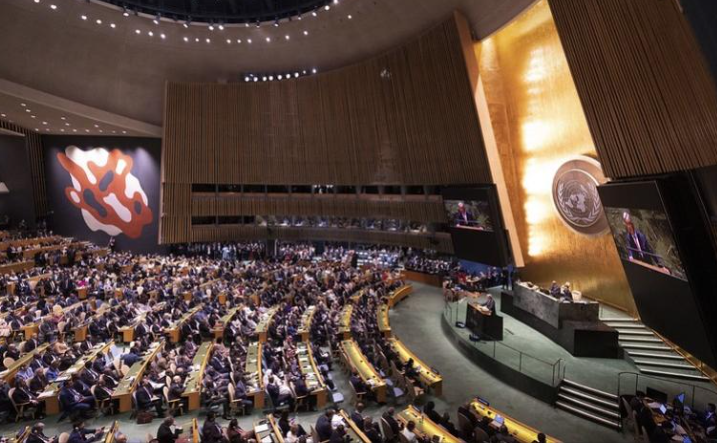
New York, Sep 22: Global health leaders are using the 81st United Nations General Assembly to push for stronger health systems, sustainable financing and improved preparedness for future pandemics as countries confront health emergencies, economic pressures and declining development assistance.
The World Health Organization has placed global health security high on its agenda during the UN General Assembly’s high-level week, which is being held in New York from September 18 to 28.
WHO said its participation is focused on strengthening pandemic prevention, preparedness and response, alongside universal health coverage, primary healthcare, climate related health risks and digital innovation.
A major focus of the discussions is the need for countries to maintain investment in health systems even as governments face fiscal constraints. WHO has warned that stronger preparedness requires sustained financing, resilient healthcare infrastructure and international cooperation.
Several health focused events are taking place on September 21 and 22. Discussions on September 22 include sustainable investment in health systems, measures to end lead poisoning, financing for pandemic preparedness and protecting investments in the health of women, children and adolescents.
The agenda reflects concerns that health systems in many countries remain vulnerable to outbreaks and other emergencies. WHO has pointed to recent outbreaks of Ebola, mpox, cholera and hantavirus as reminders that pandemic preparedness remains an ongoing requirement.
The organisation is also preparing for the Second UN General Assembly High-Level Meeting on Pandemic Prevention, Preparedness and Response, scheduled for September 25.
The meeting is expected to provide an opportunity for governments to review progress since the first high-level meeting in 2023 and renew commitments to preventing and responding to future pandemics.
WHO said several developments have taken place since 2023, including the adoption of the WHO Pandemic Agreement, strengthened International Health Regulations, the establishment of the Pandemic Fund and the development of systems designed to improve epidemic intelligence and access to health tools.
Regional vaccine manufacturing has also received greater attention as countries seek to reduce vulnerabilities in global supply chains.
The pandemic experience exposed differences in countries’ ability to obtain vaccines, diagnostics and other essential medical products. WHO’s current agenda therefore places emphasis on improving preparedness while ensuring that health technologies and supplies can reach populations when they are needed.
On September 22, health leaders are also discussing financing models for pandemic prevention and preparedness. The discussions come at a time when many governments are dealing with competing demands on public finances.
Another focus is investment in women’s, children’s and adolescents’ health. The UNGA programme includes discussions on ways to protect and expand such investments despite financial constraints.
Lead poisoning is also receiving attention during the health-related meetings. The September 22 event is aimed at accelerating global action against the preventable environmental health threat.
WHO is additionally highlighting the relationship between health and technology. Digital innovation and artificial intelligence are among the areas being discussed as countries consider how new technologies can support healthcare delivery, surveillance and emergency preparedness.
The organisation’s broader UNGA agenda includes strengthening primary healthcare and universal health coverage. WHO has said resilient health systems need to be capable of maintaining routine services while responding to emergencies.
The discussions also come against a backdrop of concerns over global health financing. Declining development assistance and economic pressures have increased the importance of sustainable domestic and international investment in healthcare.
WHO officials are expected to engage with governments, international organisations, development banks, civil society groups, scientific institutions and other partners during the General Assembly.
The September 25 high-level meeting on pandemic preparedness will be one of the central health events of the UNGA. It will examine how political commitments can be translated into financing, surveillance capabilities, scientific cooperation and practical response mechanisms.
WHO has said that five years after the COVID-19 pandemic, the international community has stronger tools and frameworks for dealing with health emergencies, but significant gaps remain.
The organisation is calling for continued investment in preparedness rather than waiting for the next major outbreak before strengthening health systems.
The UNGA health discussions consequently cover both immediate and long-term priorities, ranging from outbreak response and environmental health to primary care, financing and technological innovation.
The central issue running through the meetings is how countries can build healthcare systems capable of protecting populations during emergencies while continuing to provide essential everyday services.

