


WHO Issues New Global Guidelines on Ebola and Marburg Disease Preparedness
Comprehensive guidelines aim to strengthen outbreak preparedness, surveillance and emergency response as health authorities confront rising infectious disease risks
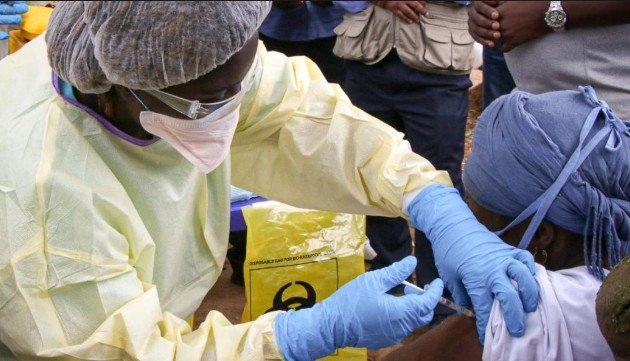
GENEVA, June 21: The World Health Organization has introduced an extensive new framework designed to help countries strengthen preparedness against Ebola and Marburg diseases, two of the world’s most dangerous viral outbreaks.
The guidelines arrive at a critical moment as health authorities continue monitoring emerging infectious disease threats and seek to improve international readiness for future health emergencies.
WHO officials said the updated recommendations provide governments, healthcare institutions and emergency response agencies with a comprehensive roadmap for preventing, detecting and controlling outbreaks before they escalate into regional or global crises.
Ebola and Marburg viruses belong to a family of pathogens capable of causing severe haemorrhagic fever. These diseases can spread rapidly through direct contact with infected bodily fluids and are associated with high mortality rates when outbreaks are not contained quickly.
Over the past several decades, multiple outbreaks have demonstrated the devastating impact these diseases can have on healthcare systems, economies and communities.
The newly released guidelines focus on strengthening surveillance networks, laboratory capacity, infection-control measures and cross-border coordination. Health experts believe early detection remains the most effective tool for preventing widespread transmission.
A central component of the framework involves improving disease-monitoring systems capable of identifying unusual patterns before outbreaks become difficult to control.
The WHO also highlighted the importance of rapid response teams, trained healthcare personnel and adequate medical supplies. During previous outbreaks, shortages of protective equipment and delayed diagnoses contributed to the spread of infection among healthcare workers and vulnerable populations.
The recommendations encourage governments to invest in preparedness during periods when no outbreak is active. According to public health specialists, building resilient healthcare infrastructure before a crisis emerges is far more effective than attempting to respond after transmission has accelerated.
Another key element of the strategy involves expanding international collaboration.
Health emergencies increasingly transcend national borders, making coordination between neighbouring countries essential. WHO officials stressed that information sharing, joint surveillance operations and coordinated emergency planning are necessary to limit disease spread in an interconnected world.
The guidance also reflects lessons learned from recent outbreaks in Africa, where rapid mobilisation of healthcare resources helped reduce transmission in affected regions.
Advances in vaccine development, diagnostic technologies and outbreak analytics have improved the global response capacity compared with previous decades. Nevertheless, experts warn that continued vigilance remains necessary because emerging pathogens can evolve quickly and exploit weaknesses in public health systems.
Public health authorities are also paying greater attention to community engagement. Misinformation and public distrust can significantly hinder outbreak-control efforts, making transparent communication a crucial aspect of emergency preparedness.
Healthcare workers are being encouraged to strengthen relationships with local communities, religious leaders and civil society organisations to ensure accurate health information reaches vulnerable populations.
The WHO framework further emphasises the integration of scientific research into emergency planning. Ongoing studies involving vaccines, therapeutics and disease modelling are expected to play an increasingly important role in outbreak management.
Global health experts believe the recommendations will serve as an important reference point for governments seeking to modernise emergency preparedness systems and improve resilience against future biological threats.
As infectious diseases continue to emerge in different regions of the world, international organisations argue that preparedness can no longer be treated as a temporary initiative. Instead, it must become a permanent component of national healthcare planning.
The release of the new WHO guidance reflects a growing recognition that early detection, rapid intervention and international cooperation are essential for protecting populations from future outbreaks.
With governments facing increasingly complex health challenges, the success of these guidelines may ultimately depend on how effectively countries translate recommendations into action. For healthcare leaders, the message is clear: preparedness today can prevent a far greater crisis tomorrow.

