


WHO Releases Updated Global Catalogue to Improve Detection of Drug-Resistant Tuberculosis
Third edition incorporates genetic data from more than 71,000 tuberculosis samples across 75 countries, strengthening molecular testing and helping laboratories identify resistance to newer and repurposed medicines.
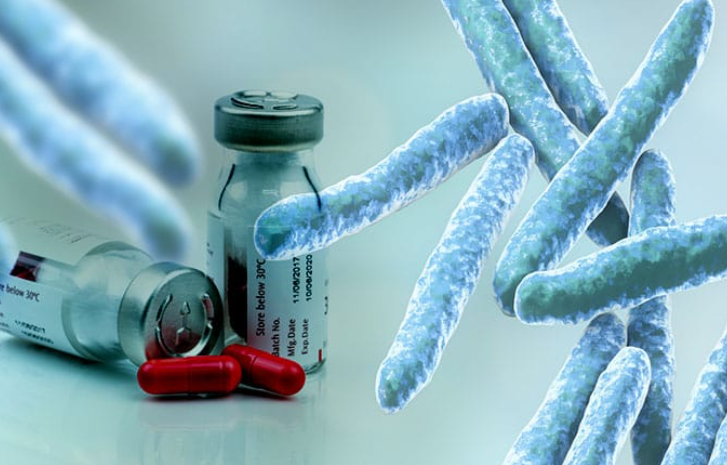
GENEVA, Nov 10: The World Health Organization (WHO) has released an updated global catalogue of genetic mutations associated with drug resistant tuberculosis (TB), providing laboratories, researchers and healthcare authorities with an expanded scientific reference to improve the identification of resistant infections and guide appropriate treatment.
The third edition of the Catalogue of mutations in Mycobacterium tuberculosis complex and their association with drug resistance incorporates information from more than 71,000 clinical tuberculosis isolates collected across over 75 countries.
The updated publication is designed to strengthen the interpretation of genomic information used in molecular and sequencing-based drug resistance testing. It also provides expanded evidence concerning newer and repurposed tuberculosis medicines, including pretomanid and cycloserine.
According to WHO, the latest edition introduces improved bioinformatic and statistical methods for classifying genetic mutations, alongside additional interpretation criteria and practical guidance for laboratories and public health programmes.
The development is particularly significant as drug-resistant tuberculosis continues to pose a serious challenge to global healthcare systems. Identifying resistance at an early stage is essential for selecting effective treatment regimens and reducing the risk of prolonged illness and further transmission.
WHO said the revised catalogue would support more consistent interpretation of genetic test results across laboratories, national surveillance programmes, diagnostic developers and research institutions worldwide.
Expanded global evidence strengthens diagnosis
The latest catalogue represents a substantial expansion of the evidence available for understanding genetic mutations linked to tuberculosis drug resistance.
It draws on more than 71,000 clinical isolates from over 75 countries, representing increases of 37 per cent in the volume of data and 12 per cent in geographical coverage compared with the second edition published in 2023.
This broader evidence base is intended to improve understanding of how specific genetic changes in tuberculosis bacteria are associated with resistance to different medicines.
Tuberculosis is caused by bacteria belonging to the Mycobacterium tuberculosis complex and primarily affects the lungs, although it can also involve other parts of the body.
The disease spreads through the air when an infected person releases infectious particles while coughing, speaking or sneezing.
Although tuberculosis is preventable and treatable, drug resistance makes its management considerably more complicated.
In drug-resistant cases, bacteria do not respond effectively to one or more medicines that are commonly used to treat the infection. Patients may consequently require alternative combinations of medicines, longer treatment periods and closer medical supervision.
The WHO catalogue provides a scientific framework for interpreting genetic information that can help healthcare professionals and laboratories understand which mutations are associated with resistance.
By expanding the number of samples and countries represented, the updated edition aims to make this information more comprehensive and useful across different geographical settings.
Why genetic testing matters in tuberculosis treatment
Traditional tuberculosis diagnosis relies on identifying the presence of the bacteria through laboratory investigations. Additional testing is required to determine whether the infection is resistant to particular medicines.
Molecular diagnostic techniques can identify genetic material associated with tuberculosis and detect mutations that may indicate resistance to specific drugs.
Sequencing-based technologies provide further information by examining the genetic structure of the bacteria.
These methods can help laboratories identify mutations associated with resistance and provide information that supports treatment decisions.
However, interpreting genetic results requires reliable scientific references. Not every genetic change automatically indicates that a medicine will be ineffective, and some mutations may have different levels of evidence supporting their association with resistance.
The updated WHO catalogue addresses this challenge by providing an expanded classification framework that helps laboratories interpret mutations more consistently.
The publication also incorporates improved analytical methods intended to strengthen the assessment of genetic variations.
More accurate interpretation can help reduce uncertainty in diagnostic results and support healthcare professionals in selecting appropriate treatment options.
Greater focus on newer tuberculosis medicines
One of the important features of the third edition is its expanded evidence concerning newer and repurposed anti-tuberculosis medicines.
These include pretomanid and cycloserine, which are used in certain treatment approaches for drug-resistant tuberculosis.
The availability of effective medicines is essential for managing infections that do not respond to standard treatment regimens.
However, resistance can also develop against medicines used in more complex treatment combinations, making continuous monitoring and improved diagnostic capabilities necessary.
The updated catalogue seeks to provide more comprehensive information about genetic mutations associated with resistance to these drugs.
This information can support researchers and diagnostic developers working to improve molecular testing methods.
It can also assist national tuberculosis programmes in strengthening their understanding of resistance patterns and evaluating the effectiveness of diagnostic strategies.
The inclusion of additional evidence is particularly important as treatment approaches continue to evolve and healthcare systems increasingly adopt advanced molecular technologies.
Improved interpretation framework introduced
The third edition introduces an enhanced framework for interpreting genetic mutations.
Under the revised approach, the Graded Mutation List is applied alongside additional grading rules and other interpretation criteria.
The objective is to provide laboratories with a more structured method for understanding the significance of mutations identified during genetic testing.
The updated framework also includes revised bioinformatic and statistical methods to improve mutation classification.
Bioinformatics involves using computational tools to analyse biological information, including genetic sequences. In tuberculosis research, these techniques help scientists compare bacterial genomes and identify changes associated with resistance.
Improved analytical methods can help researchers distinguish mutations with established links to drug resistance from those for which the available evidence remains limited.
This distinction is important because treatment decisions must be based on reliable diagnostic information.
An incorrect interpretation could potentially lead to the selection of medicines that are less effective against the infection.
WHO has also included additional practical guidance and frequently asked questions to help laboratories understand how to apply the catalogue in routine diagnostic and research activities.
Drug-resistant TB remains a major global concern
Tuberculosis continues to rank among the leading infectious disease killers worldwide.
While effective medicines are available, drug-resistant forms of the disease create additional difficulties for patients and healthcare systems.
Treatment may require specialised combinations of medicines, careful monitoring and regular medical assessments.
Drug resistance can also increase the complexity of treatment programmes, particularly in areas where access to advanced diagnostic laboratories and specialist healthcare services remains limited.
WHO has highlighted that fewer than one in two people affected by drug-resistant tuberculosis currently access treatment, underlining the importance of improving both early detection and availability of care.
Delayed identification can create further complications because patients may continue receiving treatment that is not sufficiently effective against the resistant infection.
It can also increase the risk of continued transmission within households and communities.
Strengthening laboratory capabilities and improving access to appropriate medicines are therefore important components of efforts to control the disease.
The updated catalogue is expected to contribute to these efforts by supporting more reliable interpretation of genetic resistance information.
Supporting molecular diagnostics and global surveillance
Beyond individual patient diagnosis, the revised publication is expected to support the development and evaluation of molecular diagnostic technologies.
Diagnostic developers rely on accurate scientific information to design and assess tests capable of identifying genetic mutations associated with drug resistance.
A comprehensive reference catalogue can help evaluate whether these tests correctly identify important mutations and provide consistent results.
The publication also supports sequencing-based drug susceptibility testing, which uses genetic information to assess how tuberculosis bacteria may respond to different medicines.
This approach has become increasingly important as sequencing technologies become more accessible to laboratories and public health institutions.
Another major area of application is global tuberculosis surveillance.
Surveillance systems collect and analyse information about disease patterns, treatment outcomes and drug resistance across populations.
Reliable genetic data can help public health authorities understand how resistance is distributed, identify emerging patterns and strengthen national treatment strategies.
The updated catalogue provides a common scientific reference that can support comparisons between laboratories and countries.
Such consistency is particularly valuable when research findings and diagnostic information are shared internationally.
Importance for countries with a high tuberculosis burden
The updated guidance has relevance for countries facing a substantial tuberculosis burden, including India and several other nations across Asia and Africa.
In these regions, improving access to early diagnosis and effective treatment remains an important public health priority.
Large patient populations, differences in healthcare infrastructure and uneven access to specialised laboratories can make the management of drug-resistant infections particularly challenging.
Advanced molecular testing can help address some of these difficulties by providing information about resistance patterns that may not be identified through basic diagnostic procedures.
However, expanding access to such technologies requires investment in laboratory infrastructure, trained personnel, quality assurance and reliable supply chains.
National health authorities must also ensure that diagnostic results are connected to appropriate treatment services.
A test can identify potential drug resistance, but its benefits depend on whether patients can access the medicines and specialist care required to manage the infection.
WHO’s updated catalogue provides a technical resource that can support countries in improving these interconnected areas.
International collaboration behind the revised edition
The latest publication builds on previous editions released in 2021 and 2023.
Its development reflects continued international collaboration involving national tuberculosis programmes, supranational reference laboratories, academic institutions and technical partners.
The participation of institutions from different countries has helped expand the scientific evidence available for interpreting resistance-associated mutations.
The latest edition also reflects advances in genetic sequencing and computational analysis, which have improved researchers’ ability to examine tuberculosis bacteria in greater detail.
As diagnostic technologies continue to develop, maintaining updated scientific references will remain essential.
New mutations may be identified, additional evidence may emerge about existing genetic changes, and the effectiveness of different medicines may require further evaluation.
Regularly updating the catalogue can help laboratories and researchers incorporate the latest evidence into their work.
Improving the global response to tuberculosis
WHO’s latest publication represents an important step towards strengthening the scientific foundation of drug-resistant tuberculosis diagnosis.
By expanding the available genetic evidence, improving mutation classification and providing additional guidance, the third edition aims to support more consistent laboratory practices worldwide.
The organisation has emphasised that rapid and accurate detection of resistance is essential for ensuring that patients receive appropriate treatment as early as possible.
The updated catalogue is not a replacement for comprehensive clinical assessment or other diagnostic investigations. Instead, it serves as a scientific reference that supports the interpretation of molecular and genomic testing.
Its wider impact will depend on how effectively laboratories, researchers and national health programmes incorporate the updated information into their activities.
For countries seeking to reduce tuberculosis transmission and improve treatment outcomes, strengthening diagnostic capabilities remains an important priority.
As genomic technologies become increasingly accessible, the revised WHO catalogue is expected to provide a stronger evidence base for identifying resistant infections, evaluating diagnostic tools and monitoring changes in drug resistance.
The initiative reinforces the importance of combining scientific research, advanced diagnostics and accessible treatment services in the global effort to control tuberculosis.

