


Border Villages Deserve Priority
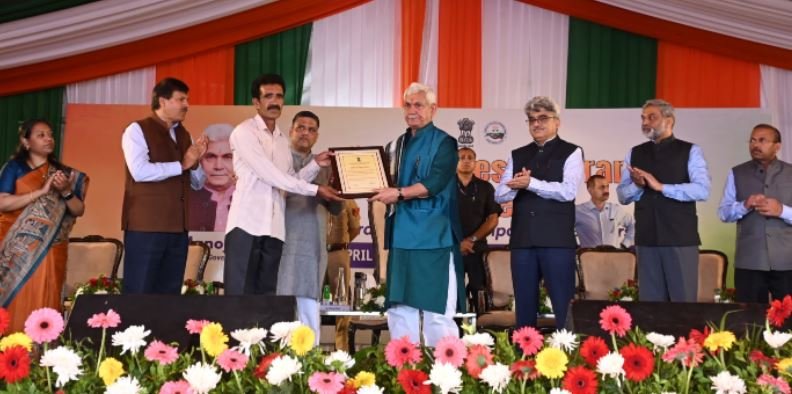
The development of border villages in Jammu and Kashmir deserves thoughtful and sustained attention, not only as a matter of welfare but also as an essential part of inclusive governance and national confidence. Villages such as Makwal occupy a special place in the life of the nation. Their residents live with courage, patience, and a strong sense of belonging, often under difficult conditions. Their role in the larger national landscape is significant, and therefore, the quality of life available to them must reflect that importance in meaningful and visible ways.
For many years, border villages were often viewed mainly from the perspective of security concerns, while their developmental needs did not always receive the same level of attention. That understanding is gradually changing, and rightly so. A strong border is not defined only by vigilance and protection. It is also strengthened by thriving communities, better infrastructure, dependable services, and opportunities for people to live with dignity and hope. When villages at the frontier are connected by roads, supported by schools and health facilities, and linked to economic opportunities, they become stronger in every sense and contribute more confidently to the nation’s progress. The idea behind the Vibrant Villages Programme is therefore both timely and meaningful. It recognises that border villages should not be seen as distant settlements at the margins, but as important communities that deserve focused attention and responsive governance. The thought that a border village is the first village of India carries deep significance. It encourages a change in perspective, one that places these areas at the centre of planning and development rather than at the edges of policy thinking. In practical terms, this means ensuring that no deserving family is left out of welfare measures, no genuine issue goes unheard, and no gap in implementation remains ignored. This approach also has a deeper social value. In border areas, the quality of governance often shapes public trust in a very direct way. When people see roads improving, electricity reaching homes, telecom services expanding, schools functioning, and healthcare becoming more accessible, they experience more than development alone. They experience inclusion, reassurance, and recognition. Such progress strengthens the bond between citizens and the state, and helps create a sense of confidence that is particularly important in sensitive and strategically located regions. The emphasis on youth and women is equally important in the broader vision of border development. Lasting transformation cannot come through infrastructure alone. It must also create opportunities for people to build secure and meaningful lives within their own communities. Young people in border villages should be able to imagine a future rooted in local opportunity rather than forced migration. Women should be encouraged and supported to participate more fully in economic and social life through self-help groups, local enterprise and community leadership. When entrepreneurship, training, financial support and mentoring are brought together, development becomes more durable and more human-centred. Agriculture, dairy and allied rural sectors also remain vital to this transformation. Border villages need development models that respond to local strengths and practical realities. Better seeds, assured irrigation, improved market access and supportive rural institutions can make a substantial difference to household incomes and everyday stability. When such measures are implemented seriously, they help reduce poverty, limit distress migration and improve confidence in the future. These outcomes are not only economic gains. They also contribute to stronger and more resilient village communities. At the same time, the success of any such effort depends on consistency and accountability. Development programmes can have real impact only when implementation is carefully monitored, delivery systems remain responsive and officials work with commitment at the ground level. Regular review, timely interventions and practical solutions to local problems are necessary if policy promises are to become visible realities.
Makwal and other border villages in Jammu and Kashmir represent communities of strength, sacrifice and quiet patriotism. Their progress should be seen as an integral part of the region’s future and the nation’s collective responsibility. If these villages are supported with care, vision and sustained effort, they can emerge not only as secure settlements but as vibrant centres of dignity, opportunity and social confidence. That would be a meaningful expression of both good governance and genuine national respect.

