


Opposition Vows Strong Resistance to Delimitation, Citing Reduced Representation for South and Northeast
INDIA bloc backs women’s quota but warns proposed seat expansion could skew representation and empower ruling party dominance
NEW DELHI: A broad coalition of opposition parties has mounted a sharp challenge to the Centre’s proposed constitutional amendment on delimitation, warning that the move to increase the strength of the Lok Sabha from 543 to 850 seats could significantly alter India’s political balance and marginalise several regions.
Leaders from the INDIA bloc, along with other regional parties, announced that they would vote against the proposal, describing it as “dangerous” and alleging that it would disproportionately reduce representation for southern, north-eastern, and smaller states. Congress leader Rahul Gandhi went a step further, calling the proposal an “anti-national act” that undermines the spirit of cooperative federalism.
Concerns Over Representation Imbalance
Opposition leaders argue that the delimitation exercise, if based on outdated population data or skewed criteria, could favour states with higher population growth, primarily in northern India, while penalising those that have successfully implemented population control measures.
They contend that such a shift would weaken the voice of southern and north-eastern states in Parliament, disrupting the existing equilibrium and potentially leading to policy decisions that do not adequately reflect regional diversity.
The parties also raised concerns about the proposed delimitation commission, alleging that it could be used as a political instrument. They pointed to previous exercises in states like Assam and Jammu & Kashmir, claiming that constituency boundaries were redrawn in a manner that benefited the ruling party. According to opposition leaders, this raises fears of “politically motivated” and “communal” gerrymandering at a national scale.
Demand for Immediate Women’s Reservation
While opposing the delimitation proposal, the opposition reiterated its strong support for women’s reservation in legislatures. Leaders urged the government to implement the 33% quota immediately based on the current Lok Sabha strength of 543 seats.
They referred to provisions introduced through the 2023 constitutional amendment, which link the implementation of women’s reservation to a delimitation exercise following the next Census. Opposition parties argued that sufficient data would be available by 2027 and that delimitation within the existing framework could be completed well before the 2029 general elections.
Criticising the Centre’s reported reliance on 2011 Census data, they said the delay in conducting a fresh Census should not be used as a justification to postpone women’s representation.
Unified Strategy by INDIA Bloc
In a key strategy meeting held at the residence of Congress president Mallikarjun Kharge, leaders from multiple parties, including DMK, TMC, SP, Shiv Sena, NCP, and Left parties, finalised their joint approach. Prominent figures such as Omar Abdullah, Supriya Sule, and Tejashwi Yadav were part of the discussions, reflecting a broad consensus across ideological lines.
Kharge emphasised that while the opposition remains committed to women’s empowerment, it views the delimitation proposal as a calculated political move aimed at weakening opposition strongholds. Congress MP K C Venugopal confirmed that the party would firmly oppose the bill during voting.
Attendance Push Ahead of Crucial Vote
Sources indicated that Rahul Gandhi stressed the importance of full attendance during the parliamentary vote, warning that any absence could indirectly benefit the ruling BJP. Some parties reportedly adjusted their campaign schedules to ensure maximum participation.
Leaders also discussed coordination challenges, particularly with regional parties engaged in state-level campaigns. However, there was a strong push to present a united front in Parliament, with several parties committing to mobilising their MPs for the vote.
Rising Protests in Southern States
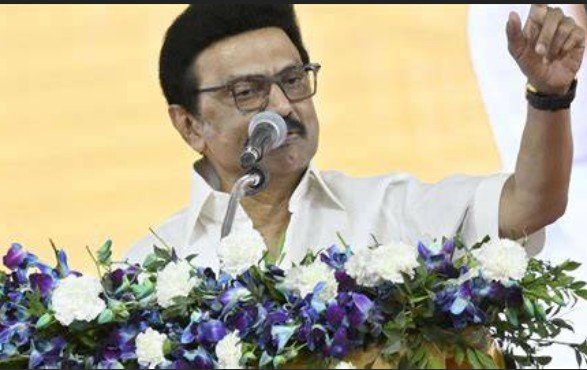
The opposition’s resistance has also taken a public form, particularly in southern India. DMK chief M. K. Stalin announced widespread protests, including symbolic demonstrations across Tamil Nadu.
He warned that the proposal has triggered widespread anger across the region, stating that people in the south feel they are being unfairly targeted despite their contributions to national development and governance reforms.
Fears of Constitutional Power Shift
Senior lawyer and MP Kapil Sibal cautioned that the proposed changes could have long-term implications for India’s constitutional framework. He argued that an expanded Lok Sabha, if skewed in favour of one party, could enable it to secure a two-thirds majority more easily, paving the way for sweeping constitutional amendments.
Opposition leaders said this raises fundamental questions about the intent behind the exercise and its potential impact on democratic checks and balances.
Political Narrative Battle Ahead
Anticipating a counterattack from the ruling party, opposition leaders said they would actively communicate their support for women’s reservation to counter any narrative portraying them as anti-reform. They stressed that their objection is not to reservation but to the sequencing and manner in which delimitation is being proposed.
As the debate intensifies, the delimitation issue is emerging as a major political flashpoint, with implications not just for parliamentary representation but also for the broader structure of India’s democracy.

