


India and Vietnam Elevate Strategic Partnership Amid Growing Indo-Pacific Cooperation
New Delhi and Hanoi sign multiple agreements covering defence, trade, technology, and critical minerals while setting an ambitious bilateral trade target for 2030.
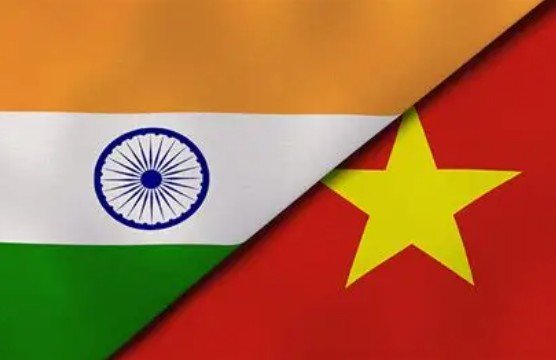
NEW DELHI — India and Vietnam significantly strengthened their diplomatic and economic relationship on May 6, 2026, by elevating ties to an enhanced comprehensive strategic partnership during high-level talks held in New Delhi. The discussions between Indian Prime Minister Narendra Modi and Vietnamese President To Lam focused on expanding cooperation in defence, maritime security, renewable energy, semiconductors, and critical minerals.
The meeting came at a time when Indo-Pacific geopolitics continues to shift rapidly amid increasing global competition, regional maritime tensions, and concerns over supply chain security. Both countries emphasized the importance of maintaining a free, open, and rules-based Indo-Pacific region while enhancing regional stability and economic resilience.
Following the bilateral talks, India and Vietnam signed 13 agreements spanning infrastructure development, digital innovation, cybersecurity, education, pharmaceuticals, and energy cooperation. Officials from both sides announced a goal to increase annual bilateral trade to 25 billion US dollars by 2030.
Prime Minister Modi described Vietnam as one of India’s key strategic partners in Southeast Asia and reaffirmed New Delhi’s commitment to deeper engagement under its Act East policy. He highlighted the importance of stronger maritime cooperation and defence collaboration in the South China Sea region.
Vietnamese President To Lam praised India’s growing economic influence and technological capabilities, stating that Hanoi sees New Delhi as a trusted long-term partner in maintaining regional balance and sustainable development.
Defence cooperation remained a major focus during the talks. Both countries agreed to strengthen naval coordination, expand military training exchanges, and explore additional defence manufacturing partnerships. Analysts believe the move reflects increasing efforts among Indo-Pacific nations to diversify strategic partnerships amid evolving regional security concerns.
Economic collaboration also featured prominently in the discussions. India expressed interest in investing in Vietnam’s semiconductor manufacturing and renewable energy sectors, while Vietnamese companies explored opportunities in India’s pharmaceutical, information technology, and infrastructure markets.
The leaders additionally discussed cooperation in rare earth minerals and critical supply chains, which have become increasingly important for global technology industries. Experts believe the partnership could help both nations reduce dependence on limited suppliers and improve economic security.
Observers noted that the upgraded partnership reflects broader regional trends in Asia, where countries are pursuing diversified diplomatic and economic alliances to navigate geopolitical uncertainty.
The two leaders also addressed cultural ties and people-to-people exchanges. Educational cooperation programs, tourism initiatives, and academic partnerships are expected to expand over the coming years.
The visit concluded with both nations reaffirming support for peaceful dispute resolution, international law, and multilateral cooperation in regional affairs.
With trade, defence, and technology partnerships expected to deepen, analysts believe the strengthened India-Vietnam relationship could emerge as one of the most significant strategic alignments in the Indo-Pacific over the next decade.

