


West Asia Conflict Disrupts Global Shipping and Energy Markets
Tensions near Strait of Hormuz fuel fears of supply disruptions and rising oil prices
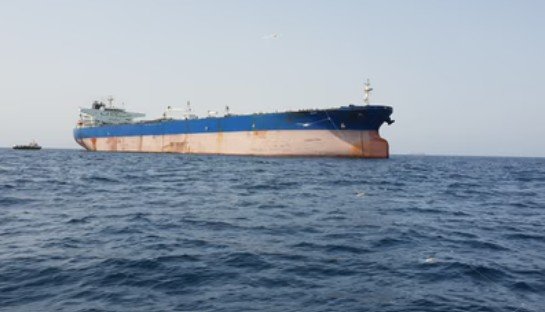
DUBAI, May 16: Escalating tensions in West Asia have triggered major concerns over global energy supplies and maritime trade as shipping activity near the Strait of Hormuz faces increasing disruption.
The strategic waterway, through which nearly one-fifth of the world’s oil passes, has become a focal point of geopolitical tensions following military exchanges involving Iran, the United States and regional allies.
Several commercial vessels reportedly altered routes or delayed shipments amid fears of attacks in the Gulf region. Insurance costs for cargo ships operating near the Strait of Hormuz have also surged sharply.
Global crude oil prices climbed above USD 100 per barrel this week as traders reacted to the possibility of prolonged supply disruptions.
Asian economies heavily dependent on imported oil, including India, China, Japan and South Korea, are closely monitoring developments.
Military forces from multiple countries increased naval patrols in the Gulf to secure shipping lanes and prevent further escalation.
The conflict has already affected trade flows across the Middle East, with exports from several countries slowing due to logistical uncertainty.
Energy analysts warned that any sustained disruption in the Strait of Hormuz could trigger inflationary pressures worldwide by increasing transportation and manufacturing costs.
Diplomatic efforts by global powers continued behind closed doors, though no major breakthrough has been reported so far.
The United Nations called for restraint and urged all sides to avoid actions that could destabilize international trade and energy markets further.
Experts said the Strait of Hormuz crisis has once again highlighted the vulnerability of the global economy to geopolitical conflicts in key energy-producing regions.

